"Time for your bath." No answer. "Bath! Now!" Still nothing. By the third time your voice is louder, and only then does your child look up. Many families live this scene every day. Usually children aren't ignoring you on purpose: they're absorbed in play, didn't hear clearly, or don't understand what you need right now. This article suggests small changes in how you speak so your child can listen more easily, and you can stop repeating yourself.
Why children "don't listen"
Before changing how you speak, try seeing it from your child's side:
- They're focused on something else. In the middle of building or looking at a book, children may genuinely not hear a voice from the next room.
- The request is too long. A sentence with three instructions ("tidy your toys, wash your hands and come to dinner") often leaves a young child remembering just one.
- The reminders never end. If you remind ten times before anything happens, your child learns the first nine don't count.
- They want to decide for themselves. From around three or four, many children enjoy saying "no" to test how much they get to decide.
Get close, get to eye level, then speak
The most effective way of speaking often starts before you open your mouth.
- Go to where your child is, instead of calling from a distance.
- Crouch down to their eye level. Touch their shoulder gently if they like that.
- Wait for them to look at you, or say their name and pause.
- Then make your request.
It takes ten extra seconds, but often saves five reminders.
Keep it short and say what to do
| Instead of | Try saying |
|---|---|
| "How many times have I told you, why do you always leave your toys everywhere…" | "Cars in the box, please." |
| "Don't run!" | "Walk slowly, please." |
| "Do you want to have a bath?" (when it isn't really a question) | "It's bath time." |
| "Tidy your toys, wash your hands and come to dinner." | "Toys away first." Then say the next step once that's done. |
A few general rules:
- One thing at a time, especially with children under six.
- Say what to do rather than what not to do. "Walk slowly" is easier to follow than "don't run".
- Don't ask when there's no choice. "Shall we have a bath?" invites the answer "no".
- Give a warning before switching. "Five more minutes, then we tidy up." Children stop more easily when they know what's coming.
Offer choices within your limits
Children cooperate more when they get to decide part of it. The trick is that both options are fine with you:
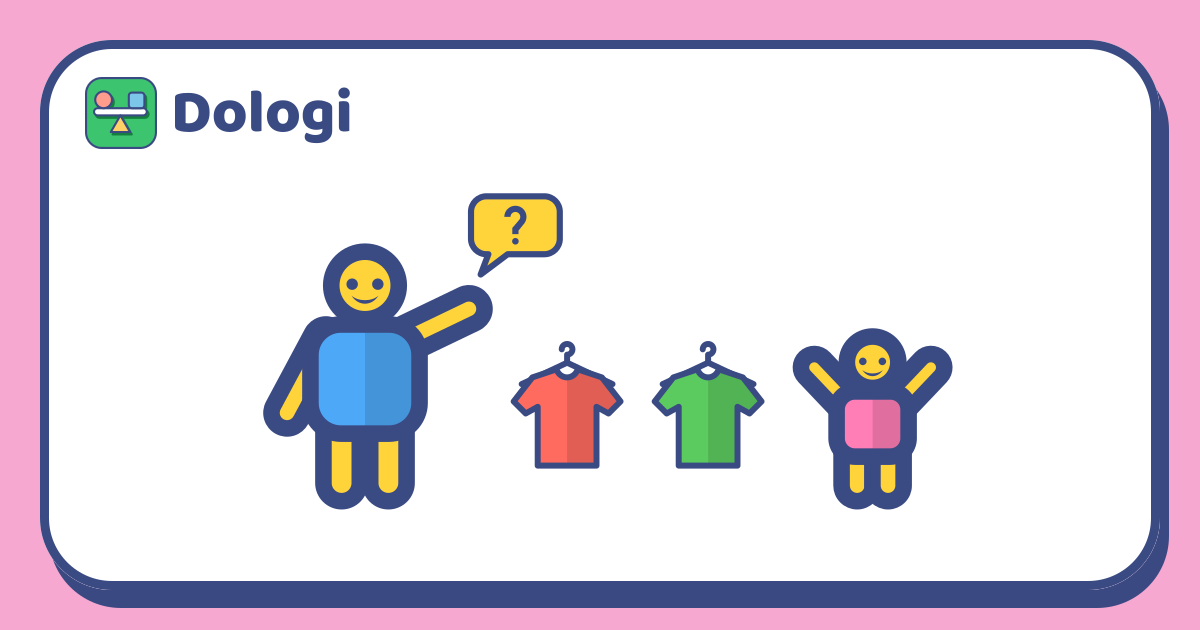
- "Do you want the red shirt or the green one?"
- "Teeth first or pyjamas first?"
- "Will you put the cars away, or shall we do it together?"
- "Do you want to hop like a frog or creep like a cat to the bathroom?"
Two options is about right. More than that can overwhelm young children. If your child doesn't choose, you can calmly say: "If you're not choosing, I'll choose for you."
When your four-year-old says "no" to everything
There's often a stage when your child's first answer to anything is "no". It's usually a way of practising being in charge, not necessarily defiance.
- Don't turn it into an argument. You don't need to win every "no". Repeat the request once, calmly.
- Acknowledge, then hold the line. "You're having fun and don't want to stop. But it's bedtime now."
- Make it a game. "Can you put away more blocks than me before I count to ten?"
- Leave room for a real "no". For things that don't matter (which socks, banana or apple first), let your child decide.
Say it once, then follow through
Words carry weight when actions follow.
- Make the request once, briefly, at eye level.
- If your child doesn't do it, repeat it once with what will happen: "If the cars aren't in the box, I'll put them on the shelf until tomorrow."
- Do exactly what you said, calmly, without extra telling off.
What happens next should be connected to the task and something you can do straight away. Do it consistently a few times and your child learns that once is enough. And don't forget the other side: when your child listens straight away, say so specifically: "You put the cars away as soon as I asked. Thank you."
If your child often seems not to hear when called, even when they aren't absorbed in play, talk to a doctor about checking their hearing.
In short
- Children "don't listen" mostly because they're busy, the request is too long, or they want to decide.
- Get close, get to eye level, wait for eye contact, then ask for one short thing.
- Offer a choice between two options you're happy with; during the "no" stage, don't argue every word.
- Say it once, say what will happen, then follow through; praise when your child listens straight away.
Read more: You shouted at your child: how to calm down and make up