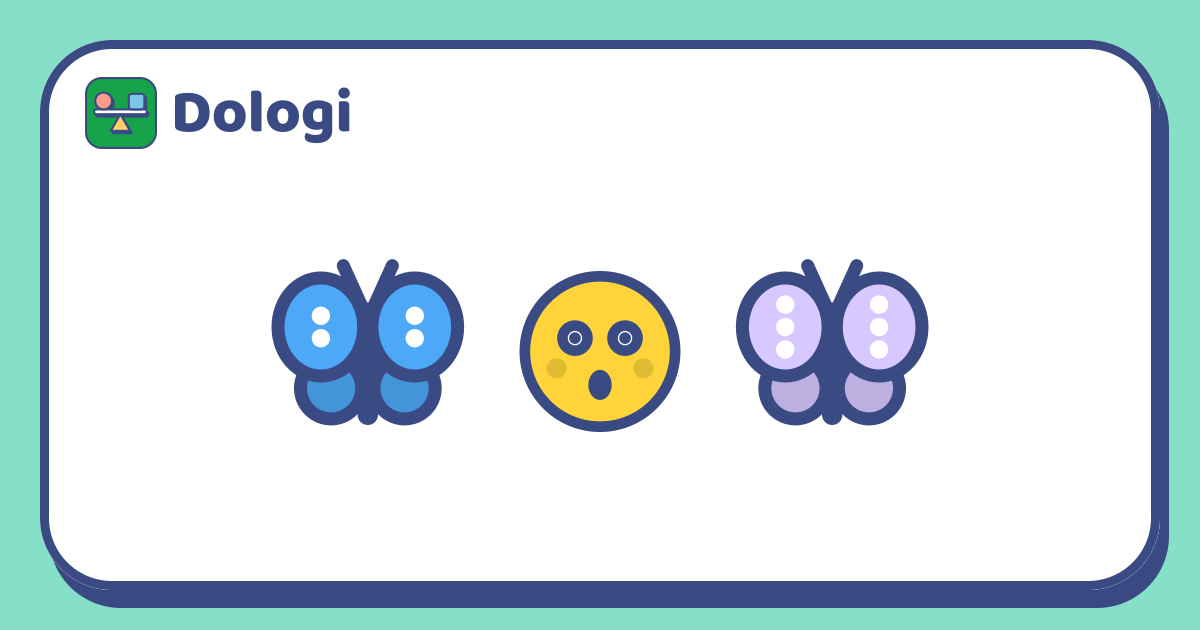
Two pictures that look the same, but are not quite. Children love the moment they find the hidden difference. Behind this simple game is a skill that matters in many places: noticing details, comparing carefully and not giving up too soon. The best part is that you can make your own versions at home with almost nothing.
Why observation matters
Careful observation helps children:
- Learn letters and numbers, where small details (a line, a curve, a direction) change everything.
- Follow instructions and copy models, for example in drawing or building.
- Explore nature and science: how leaves differ, how a plant changes over a week.
- Notice what is around them, from a friend's new haircut to a puddle on the path.
What spot-the-difference trains
- Looking carefully instead of glancing.
- Comparing step by step, one part at a time.
- Holding an image in mind while looking at the other one.
- Patience, because the last difference is often the hardest.
Strategies to teach your child
Many children look randomly at first. Showing them a method makes the game more satisfying.
- Scan in order. Left to right, top to bottom, like reading a page.
- Split the picture into parts. "Let's check only the top half first."
- One feature at a time. Look for differences in colour, then shape, then number, then position.
- Count as you go. "We've found three. Two more to find."
- Check at the end. Go back over the picture once more.
Homemade versions
- What changed? Put five or six toys on a table. Your child looks, then closes their eyes while you change one thing: swap two toys, remove one, turn one around. "What changed?"
- Double drawings. Draw the same simple picture twice (a house, a tree, a sun) and add a few small differences to the second one. Later, let your child draw puzzles for you.
- Room before and after. Take a photo of a corner of a room, move a few things, then compare the photo with the real room.
- What's different about me? Change one thing about yourself while your child is out of the room: a sock, a hair clip, glasses.
- Nature pairs. Collect two leaves, two stones or two flowers and look for every difference between them.
Making it harder step by step
Ages are rough guides; every child moves at their own pace.
| Level | What to change | Often fits around |
|---|---|---|
| Starting out | 1–2 big differences, mostly colour | 4–5 |
| Building up | 3–4 differences: colour, size, missing objects | 5–6 |
| Getting tricky | 5 differences, including number and position | 6–8 |
| Expert | 7 or more small differences, mirror images, similar shapes | 8–10 |
Tips to keep it fun
- No timer at first. Speed can come later; careful looking comes first.
- Give hints by area: "There's one more in the top right corner."
- Take turns. Let your child find some for you, and make mistakes on purpose sometimes.
- Celebrate the method, not only the result: "You checked every part. That's why you found them all."
In Dologi, the Focus topic includes spot-the-difference puzzles where children compare two scenes and tap what has changed, with more differences to find as they progress.
In short
- Spot-the-difference games train careful looking, comparing and patience.
- Teach a method: scan in order, split the picture, check one feature at a time and count.
- Make your own versions with toys, drawings, photos and objects from nature.
- Start with a few big differences and add smaller ones as your child grows.
Read more: My child can't sit still for five minutes: helping active children focus.