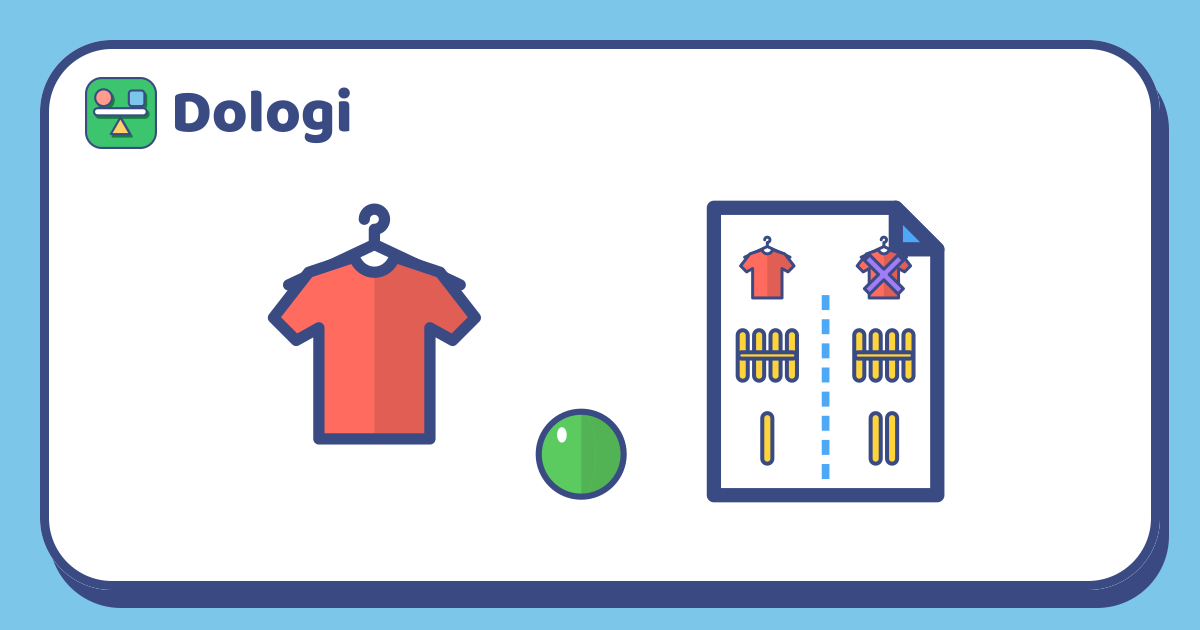
"I have to wear this shirt. Last time I wore it, we won!" Many children have a lucky shirt, a lucky pencil or a seat they believe brings good luck. Telling them "that's nonsense" rarely helps; usually it just ends the conversation.
Moments like this are a great chance to teach an important thinking skill: two things that happen together don't always mean one causes the other. Here is a game and a simple tally sheet so children aged about 8 to 12 can test a "lucky charm" for themselves.
Why we believe in lucky objects
Believing in lucky objects isn't silly. It comes from the way all our minds work.
- We look for links. When two things happen close together, our minds quickly join them up: "I wore the shirt, we won, so the shirt helped."
- We remember the hits and forget the misses. A big win sticks in the memory. The day your child wore the shirt and the team lost is easily forgotten.
- It feels good to have some control. Before a tense match, a familiar shirt can help children feel calmer and more confident.
So the aim isn't to take the shirt away. The aim is for your child to know the difference between "I like wearing it" and "it makes the team win".
Happening together isn't the same as causing
Start with examples that have nothing to do with the shirt, so your child doesn't feel under attack. A classic one: on days when shops sell lots of ice cream, they also sell lots of fans. Do people buy a fan because they ate ice cream? No. Both happen because it's hot. Heat is the third reason, the hidden thing behind both.
| Two things that go together | The hidden third reason |
|---|---|
| Lots of ice cream sold, lots of fans sold | Hot weather |
| More umbrellas on the street, more wet shoes | Rain |
| Children with bigger feet read longer books | Older children have bigger feet and have been reading for longer |
| The street lights come on and the birds go quiet | Evening is falling |
Sometimes there isn't even a third reason: two things just happened at the same time by chance. That's a coincidence. A shirt and a match result are very likely to be like that: the shirt doesn't touch the ball or change how the other team plays.
The "find the third reason" game
The game takes no preparation and works well in the car or at dinner.
- You give a pair: "On days when lots of people go to the beach, lots of ice lollies get sold."
- Your child looks for the third reason and explains it with a "because".
- Swap roles: your child makes up a pair for you. This is harder, because they have to think of the hidden reason first.
Each time, practice three short questions:
- Could something else cause both? (a third reason)
- Could it be the other way round? For example, "the more firefighters at a fire, the bigger the fire" doesn't mean firefighters make fires bigger. A big fire needs more firefighters.
- Could it just be chance? How many times have we actually seen it happen?
Give a point for every explanation that makes sense, even if it isn't the one you had in mind.
Test the lucky shirt with a tally sheet
Now for the shirt. Instead of arguing, suggest checking it together, like a scientist would. Draw this table and make one tally mark after every match your child plays or watches:
| Wore the shirt | Didn't wear the shirt | |
|---|---|---|
| Won | ||
| Lost |
A few tips:
- Record lots of matches, at least ten if you can. With only two or three, chance can easily make one column look better.
- Record every match, including losses while wearing the shirt. This is the part memory tends to skip.
- Make the test fair. If your child only puts the shirt on before matches they think are easy, the "Wore" column will naturally win more. For a game at home, such as a board game against a parent, you can toss a coin to decide whether the shirt goes on, so nobody chooses.
When there are enough marks, look at them together. If the wins are spread about evenly across both columns, the shirt probably isn't the reason. Then ask: "So what does help a team win?" Practice, teamwork, rest and the strength of the other team are all worth discussing. For more on this kind of record keeping, see collecting data with children.
Your child can still wear the shirt; feeling confident is real. Just ask them to say it accurately: "I like wearing it" rather than "it makes us win".
Bringing the questions into everyday life
Once your child is used to the three questions, they come up everywhere:
- Headlines and adverts: when you hear "children who do X do better at Y", ask together: what else might be different about those children?
- Things said at school: "Every time I sit in this seat we have a test." How many times did that actually happen, and how many times didn't it?
- Your child's own experience: "I revised with music on and got a good mark." Once isn't enough to know. What else was different that day?
Keep it light. Many families have traditions for luck, and they can be fun to keep; your child only needs to know that being fun and causing something are different things.
Adjusting by age
Ages are only a rough guide; every child is different.
- Around 8–9: pairs with an easy-to-spot third reason from daily life, such as weather or time of day. A tally sheet with two columns, counting only wins.
- Around 10–11: the full table with wins and losses, plus the "could it be the other way round?" question.
- Around 12: a fair test with a coin toss, and practicing the three questions on headlines and claims your child reads.
In short
- Two things that happen together don't always mean one causes the other: there may be a third reason, the cause may run the other way, or it may just be chance.
- Play "find the third reason" with everyday pairs, and let your child make up pairs for you.
- Test a lucky charm with a tally sheet over many matches, recording losses too, so your child reaches the conclusion themselves.
- Respect the feelings and traditions; just help your child separate "I like it" from "it causes it".
Read more: Critical thinking for children: when your child asks "why?" all day long