For kids ages 4–5, math starts with very everyday things: counting objects, knowing which number comes before which, comparing which group has more and which jug is fuller. The five puzzles below come straight from the Dologi app, suit kids ages 4–5, and go from easy to harder, so your child can play with numbers without needing to read.
How to use this post: show your child one picture at a time, read the question aloud, then let them point and count out loud. The answer is behind the "Show answer" button under each picture. If your child miscounts, count again together very slowly, touching one thing at a time.
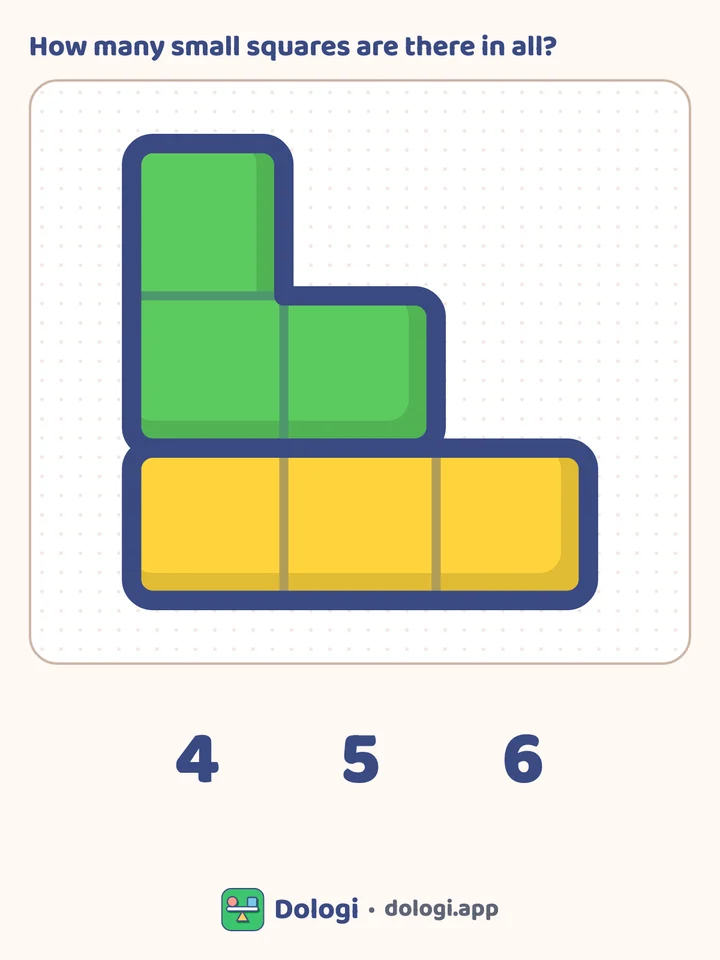
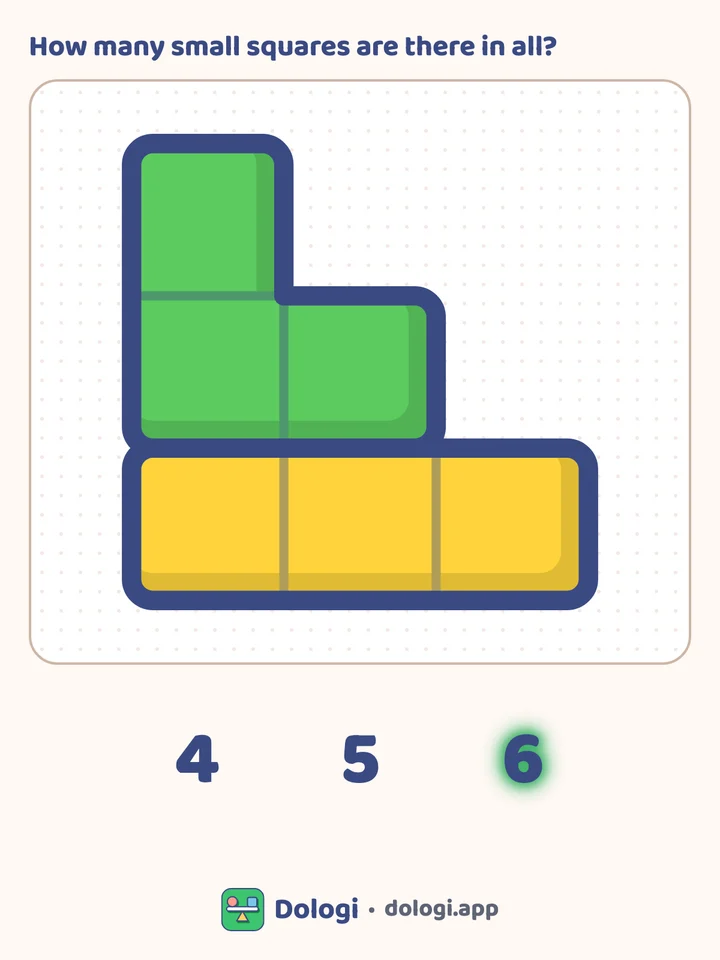
Puzzle 1: Count the squares
Ages 4–5
What it builds: The squares are joined into one block, so your child has to point at each square and remember which ones they have already counted. Counting in order, without skipping or counting twice, is the very first math skill and is needed for all counting later on. Keep playing: stick a few building blocks together into a shape, ask how many blocks there are, then change the shape.
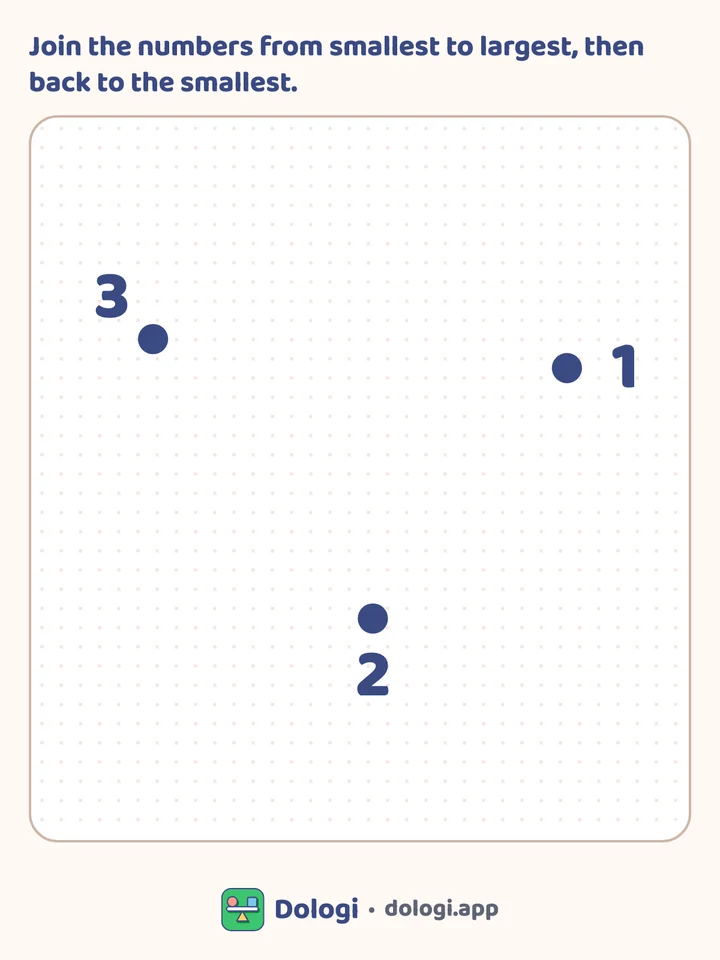
Puzzle 2: Connect the dots
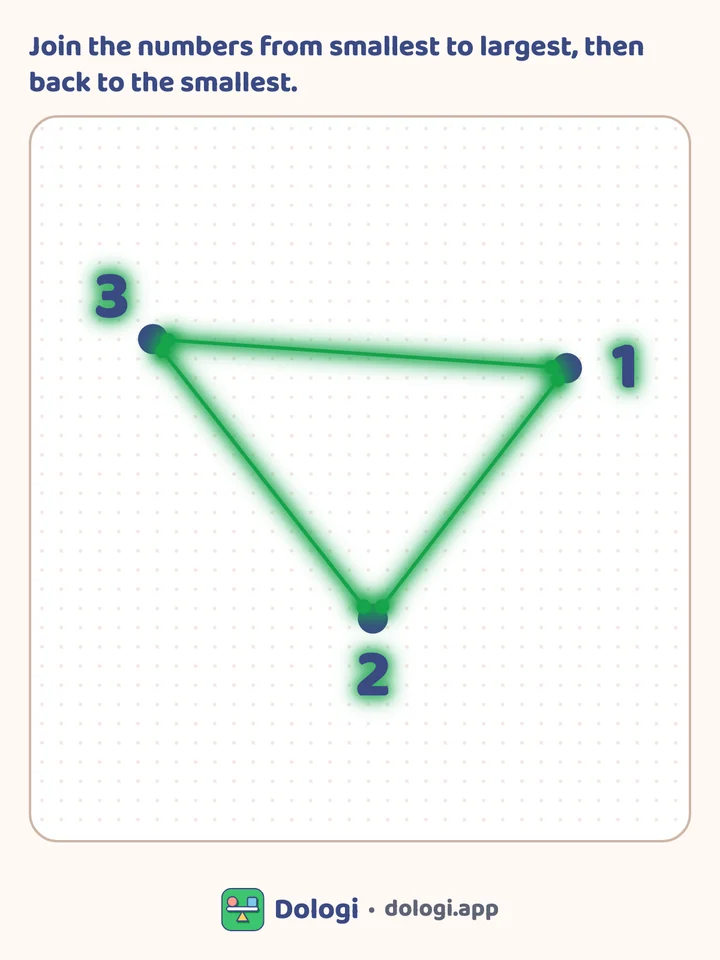
Ages 4–5
What it builds: Your child finds the smallest number, follows the numbers in order and goes back to the start, and the lines make a shape. Knowing which number comes after which helps them learn the counting order, the base for counting on and adding later. Keep playing: write a few numbers on pieces of paper, scatter them on the floor and let your child hop from the smallest to the largest.
Puzzle 3: Fill the jug
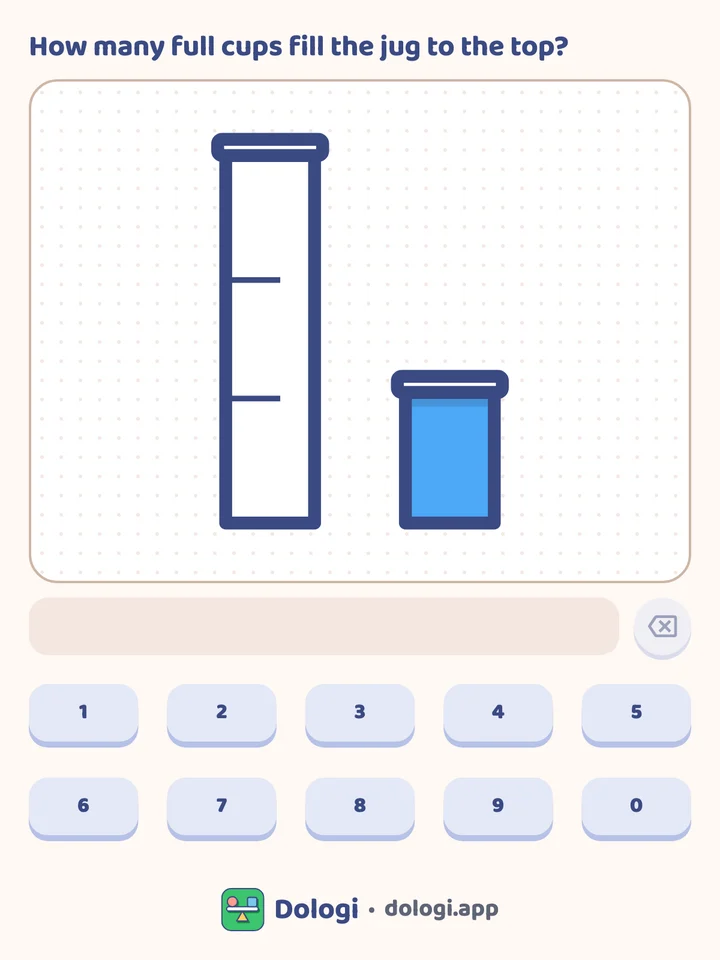
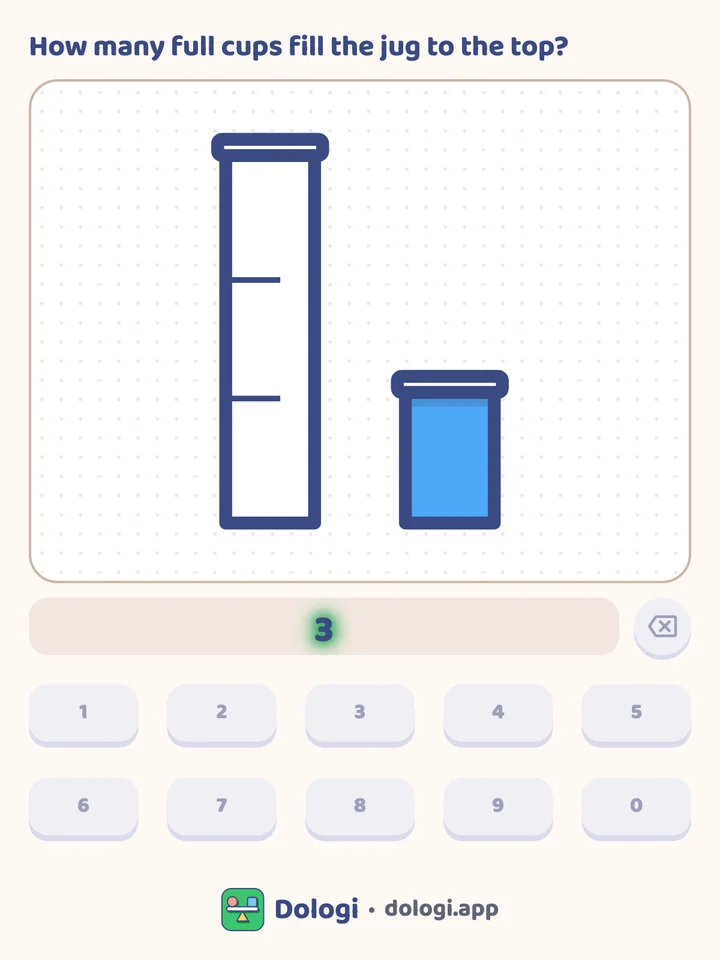
Ages 4–5
What it builds: Your child compares the height of the cup with the marks on the jug to guess how many pours fill it up. This is a first measuring game: using a small thing to measure a big one, something they do every day when pouring water or scooping sand. Keep playing: give your child a small cup and a bowl and count together how many cups of water fill the bowl.
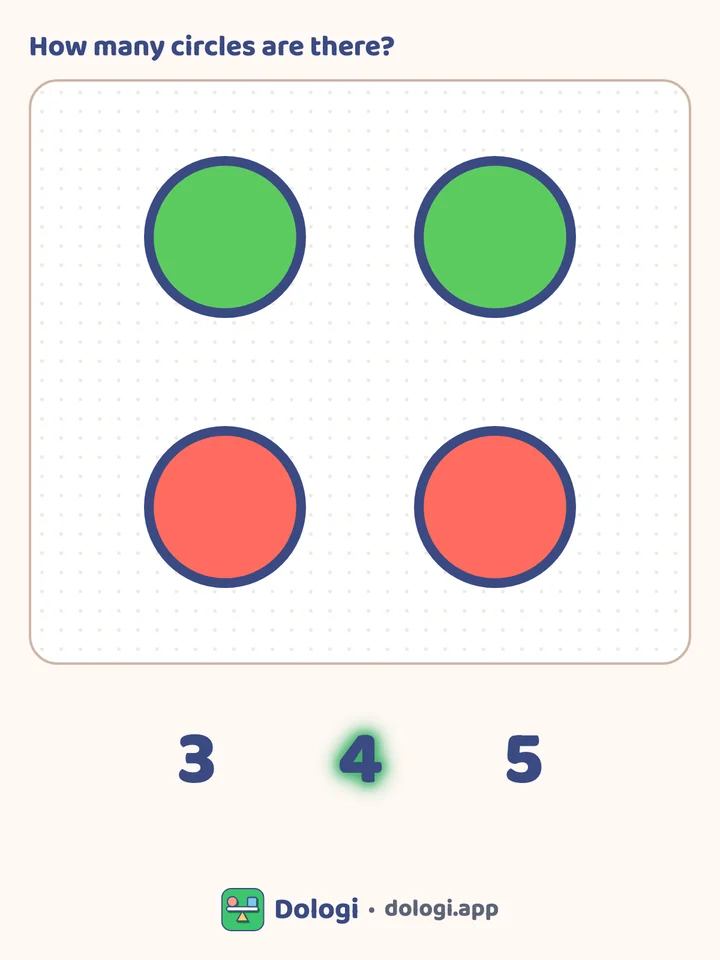
Puzzle 4: Count and answer
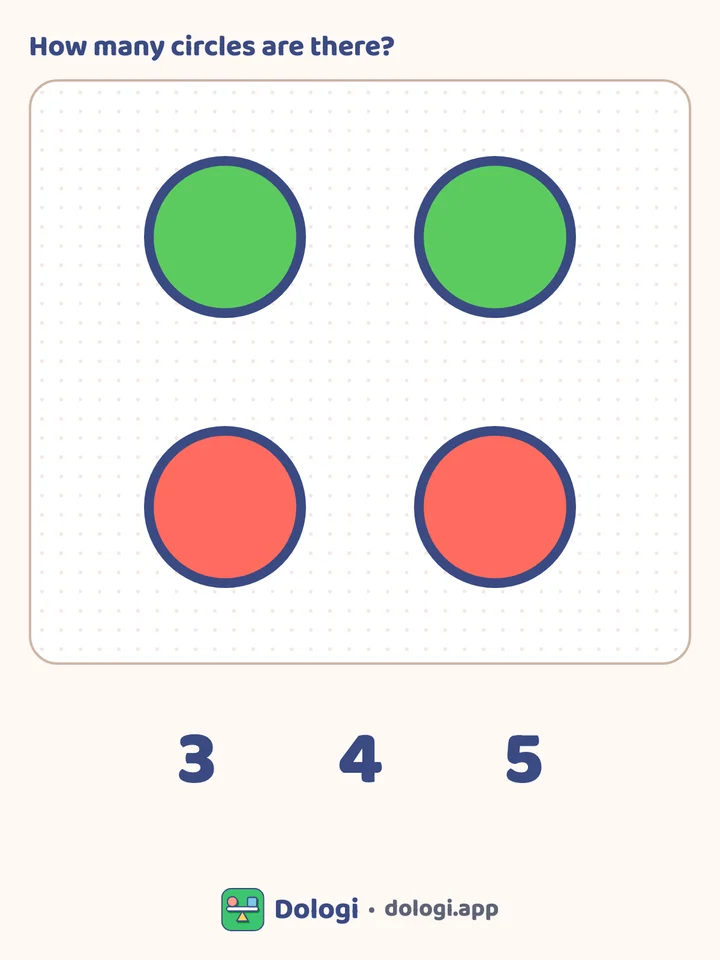
Ages 4–5
What it builds: The shapes sit in neat rows, so your child can count them one by one or see them in pairs and know the amount right away. Seeing a small group and knowing how many at once helps them count faster and feel confident with numbers. Keep playing: set a few candies in two rows on the table, let your child look for a moment, then cover them and ask how many there were.
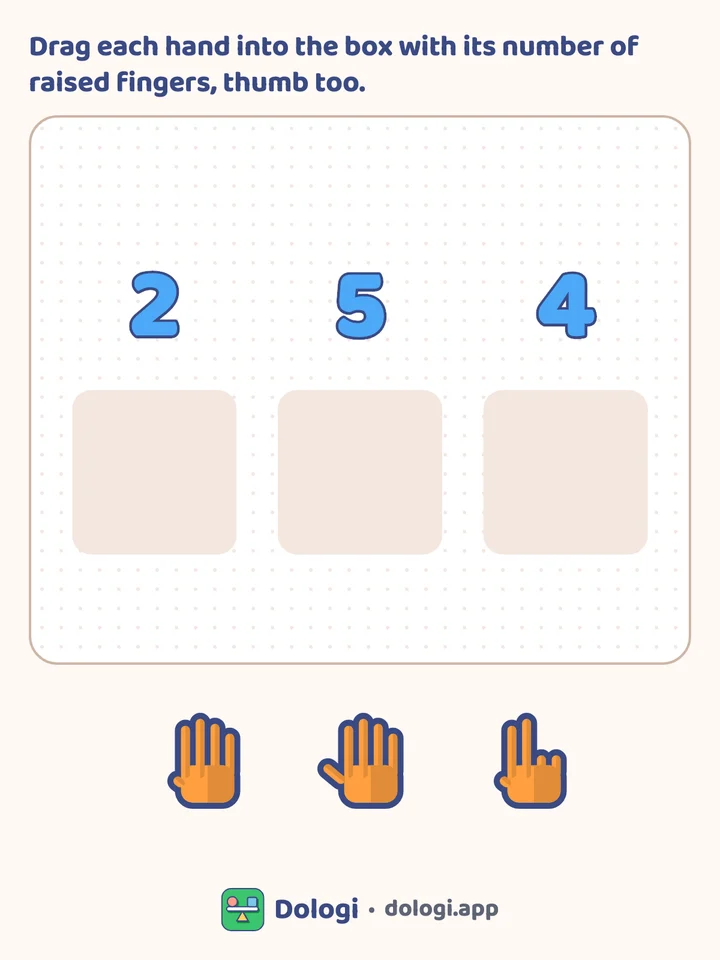
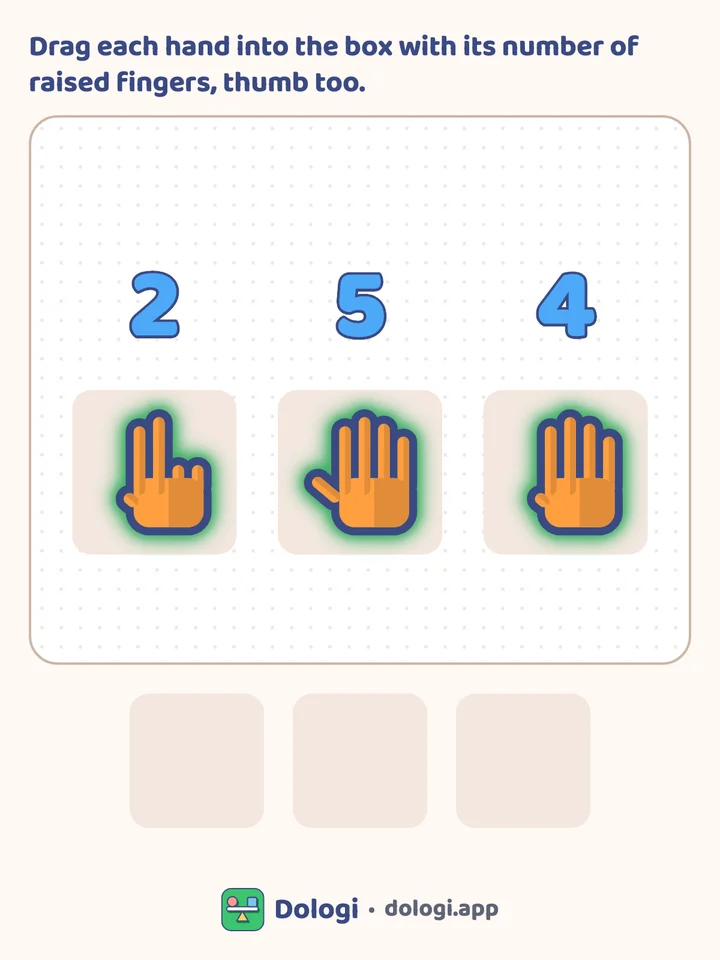
Puzzle 5: Sort into boxes
Ages 4–5
What it builds: Your child counts the raised fingers on each hand, thumb included, and matches it with the right number. Fingers are a counting tool always at hand, and linking an amount with a written number is an important step before starting school. Keep playing: quickly hold up some fingers and have your child call out how many, then switch so they quiz you.
Did your child enjoy these puzzles? The Dologi app has many more math puzzles of the same kinds, getting harder with age and with how your child plays, so a little daily counting, comparing and measuring feels as light as a game.