Your child can sound out almost every word, but a page takes forever: "The... dog... ran... to... the... park." By the end of the sentence, the beginning is gone. This is a very common stage. When reading a word still takes effort, there's little attention left for speed, expression or meaning.
Reading fluency means reading accurately, at a comfortable pace and with expression, the way you'd tell a story out loud. It grows with practice, and short, regular practice at home helps a lot. Here's how, for kids roughly in the early elementary years and beyond.
Why some kids read slowly
A child who reads slowly is usually still working hard on each word: matching letters to sounds, blending them, checking. That's normal while reading is new, and every child gets through it at their own pace (see when do children learn to read?).
Fluency comes from meeting the same words again and again until they're recognized at a glance. So the goal at home isn't "read faster." It's "read lots of easy, familiar text, out loud, with someone listening."
Start with an easy text
For fluency practice, the text should feel easy. Your child should know almost every word on the page; if they stumble on several words in a short paragraph, the text is better for reading together than for fluency practice.
- Short is fine: a paragraph, a poem, a page of a favorite picture book, a recipe.
- Familiar is even better: a book your child already knows well frees attention for smooth reading.
- Let them choose sometimes: interest keeps them going. For more on picking the right level, see choosing books for your child by age.
Read it again (and again)
Rereading the same short passage is one of the simplest ways to build fluency.
- You read it first, at a natural pace, with expression. Your child follows with a finger.
- Your child reads it aloud. Help with tricky words right away, without a lecture.
- Read it again the next day, and maybe the day after. Most kids hear themselves getting smoother by the third or fourth read.
Five to ten minutes is plenty. Rereading isn't "boring" when it ends with "Wow, listen to how smooth that sounded."
Echo reading and choral reading
Two ways to read together that give your child a model to follow:
- Echo reading: you read one sentence, your child reads the same sentence right after, like an echo. Keep sentences short and your voice lively.
- Choral reading: you read the passage together, out loud, at the same time. Your voice carries your child through the hard spots. Slowly lower your voice as they get confident.
Taking turns reading pages of a longer book also works well, especially with older kids; see reading aloud to older kids.
Read in phrases, not word by word
Fluent readers group words into chunks that belong together. You can make those chunks visible.
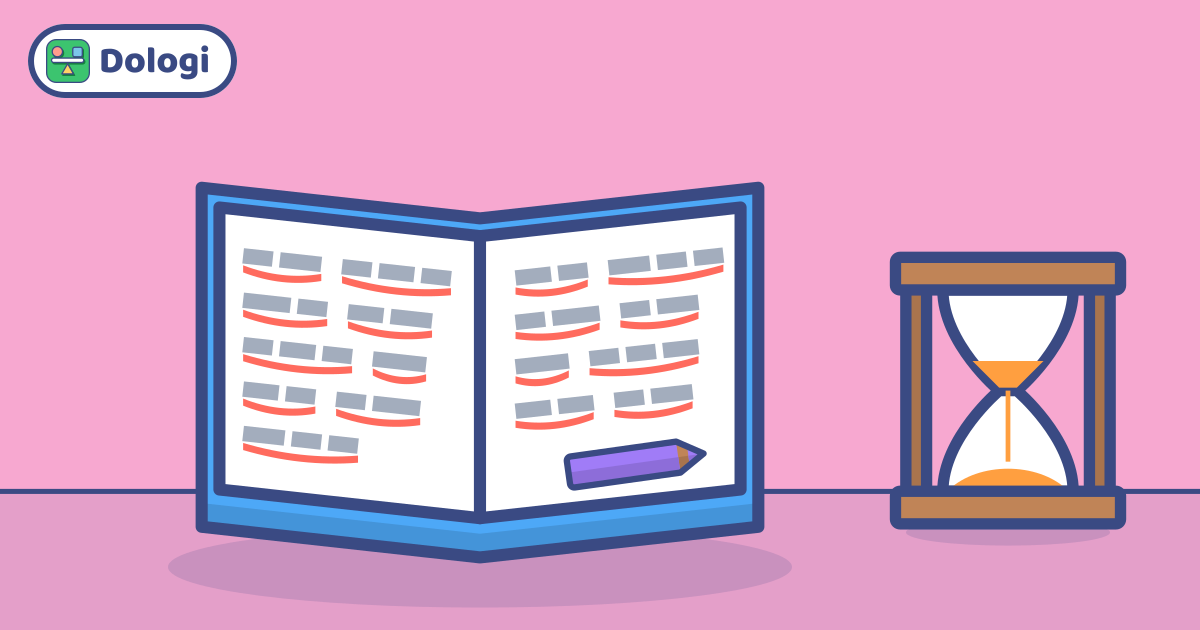
- Scoop the phrases: with a pencil, draw a small curve under each group of words: "The big dog / ran to the park / after lunch." Your child reads each scoop in one breath.
- Pause at punctuation: a short pause at a comma, a longer one at a period. Questions go up at the end.
- Play with voices: read the same line as a sleepy giant, an excited squirrel or a robot. It's silly, and it trains expression.
Reading in phrases also helps meaning: words in a group make sense together.
Time it against yourself, not others
Some kids love a challenge. Keep it about their own progress.
- Use a sand timer or a phone timer for the first read and the third read of the same passage, and compare. The only comparison is with themselves.
- Record and listen: record the first read on Monday and another on Thursday. Hearing the difference is often more motivating than any praise.
- Never trade meaning for speed. After reading, ask one quick question: "What happened?" If your child reads fast but can't say, slow down; see my child reads fluently but doesn't understand.
Avoid comparing with siblings or classmates. Schools sometimes measure reading in their own ways; at home, the useful question is "Is this smoother than last week?"
When to talk to the teacher
If reading stays very slow and effortful for a long time despite regular practice, or your child starts avoiding reading or gets upset about it, talk with the teacher. They hear your child read alongside many others and can suggest next steps, or a specialist if needed.
Reading with expression means your voice goes up and down at the right places. In Dologi's Listening topic, the Shape of the tune puzzle plays a short tune, and your child picks the picture that goes up and down the same way, note by note. It's a playful way to tune the ear to rise and fall.
In short
- Fluency is reading accurately, at a comfortable pace and with expression; slow reading is a normal stage.
- Use easy, familiar, short texts and reread them over several days.
- Echo reading, choral reading and phrase scoops give your child a model and a rhythm.
- Time or record only against your child's own earlier reading, and always check meaning too.
Read more: My child reads fluently but doesn't understand, Reading aloud to older kids, Spelling practice at home