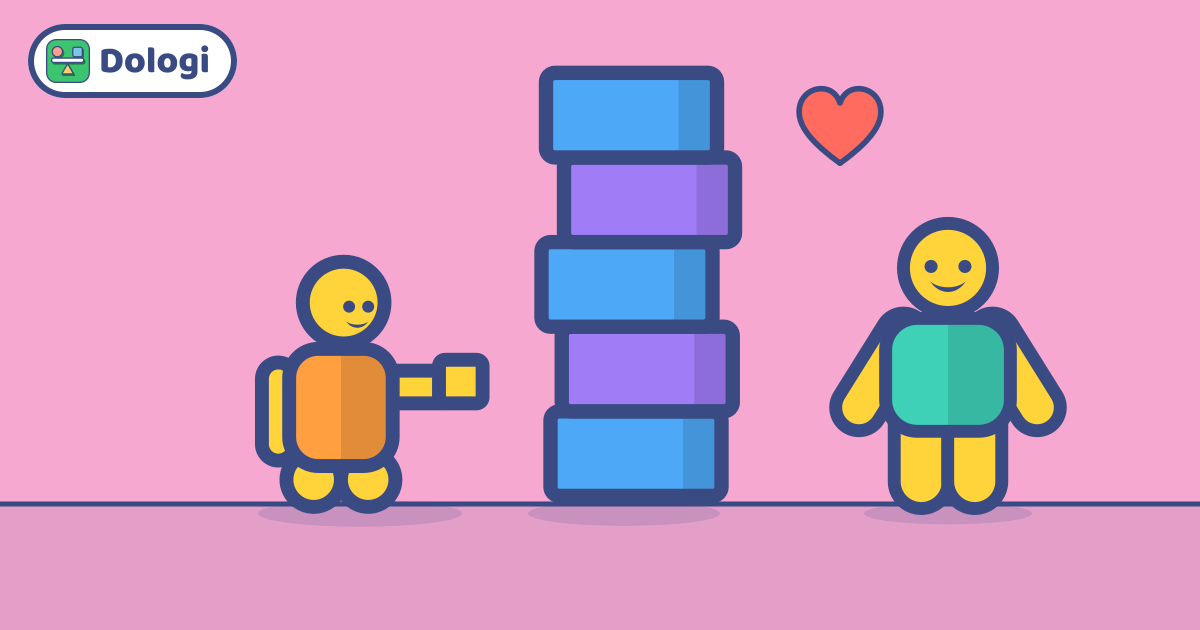
Your child grabs a toy from their little brother, pushes a friend at the playground, or knocks over the block tower another child just built. The adult reflex is quick: "Say sorry!" Your child mumbles "sorry" while looking at the floor, and everyone moves on. Then the same thing happens again the next day.
Apologizing and forgiving are skills children build over years, not a single polite word. This post looks at how to help your child apologize and mean it, put things right, and forgive others in their own time.
Why a forced "say sorry" rarely helps
When children are still angry or embarrassed, it's hard for them to see what they did wrong. If they're made to say the word right then, they learn that "sorry" is what you say to make adults stop talking. The other child can usually tell it isn't meant, too.
Try a different order:
- Separate the children and let yours calm down. Sit nearby for a few minutes. No lecture yet.
- Help your child look at the other child. "Look at his face. How do you think he feels?" Children of around 3 to 5 are still learning that other people can feel differently from them, so this question is the first step.
- Then talk about making it right. Now your child is ready to think about what they can do.
What a real apology includes
| Part | Example |
|---|---|
| Say what I did | "I'm sorry I grabbed your truck." |
| Show I understand how you feel | "You were sad." |
| Fix it | "Here, you can have it back." / "I'll help you build the tower again." |
| Say what I'll do next time | "Next time I'll ask first." |
For a young child, one sentence and one action are enough: "Sorry, here's your truck." From around 7, many children can manage all four parts and understand why each one matters.
Two kinds of apology to steer your child away from:
- "Sorry, but you…": the "but" turns the apology into blame.
- "Sorry you're upset": it sounds as if the problem is the other child's feelings, not what happened.
Fixing things matters more than words
Doing something to make it right often says more than the word "sorry":
- Knocked over a sibling's tower? Help rebuild it.
- Spilled juice on the table? Get a cloth and wipe it up.
- Tore a friend's page? Tape it, or draw them a card.
- Pushed ahead in line for the slide? Let the other child go first next time.
Some children find words very hard while they're still embarrassed, especially shy children. For them, a hug, handing back the toy or a drawing can be an apology too. The words can come later, once the moment has passed.
If it was an accident, like bumping into someone while running, your child can still say sorry and help them up. Our post on accident or on purpose has more ideas for talking about intentions and consequences.
Show the way yourself
Children learn to apologize mostly by watching adults. When you get it wrong with your child, apologize briefly and specifically: "I'm sorry I yelled. Next time I'll take a breath first." Leave out the "but." Our post on what to do after shouting at your child goes into making up in more detail.
Apologizing to other people in front of your child teaches a lot, too: to a neighbor for blocking their driveway, to a grandparent for forgetting to call back. Your child sees that adults make mistakes and fix them.
You can also practice before it's needed. Take two stuffed animals, have them argue over a ball, and let your child help them make up: what does the bear say, and how does the rabbit answer? When your child apologizes well in real life, tell them what they did: "You gave the truck back and asked if he wanted to keep playing. Look, he's smiling."
Teaching your child to forgive
Forgiving is a skill too, and it doesn't have to happen instantly.
- Let your child say "I'm not ready yet." Being pushed to say "it's OK" while still hurt teaches children to hide their feelings. Instead, they can say: "Thanks for saying sorry. I'm still a little sad."
- Forgiving doesn't mean letting it happen again. Your child can forgive and still say: "Next time, please ask me first."
- Once it's forgiven, let it go. Try not to bring up a sibling's or friend's old mistake in every new argument.
To know how to apologize or forgive, children first need to read how someone else feels. In Dologi, the Match the pairs puzzles include a version where children match faces that show the same feeling (happy, sad, surprised, sleepy and more), a small way to practice noticing other people's expressions.
If your child keeps apologizing and then doing the same thing again and again, or if your child is often hurt or left out by others even after speaking up, that's more than an apology can fix. Talk with their teacher so you can work on it together.
In short
- Don't demand an apology while your child is still upset. Let them calm down, look at the other child's face, then talk.
- A real apology says what I did, shows I understand how you feel, fixes it and says what I'll do next time.
- Fixing things with a real action counts, and parents teach the most by apologizing when they get it wrong.
- Forgiving can take time, doesn't require saying "it's OK," and doesn't mean letting it happen again.
Read more: Helping children make friends and share, You shouted at your child: how to calm down and make up, Accident or on purpose?