Your child writes "I like soccer. I like my ball. I like goals. The end." Or the opposite: one huge sentence held together with "and then... and then..." Both are normal steps. What's missing is a shape, a simple way to know where a paragraph starts, what goes in the middle and how it ends.
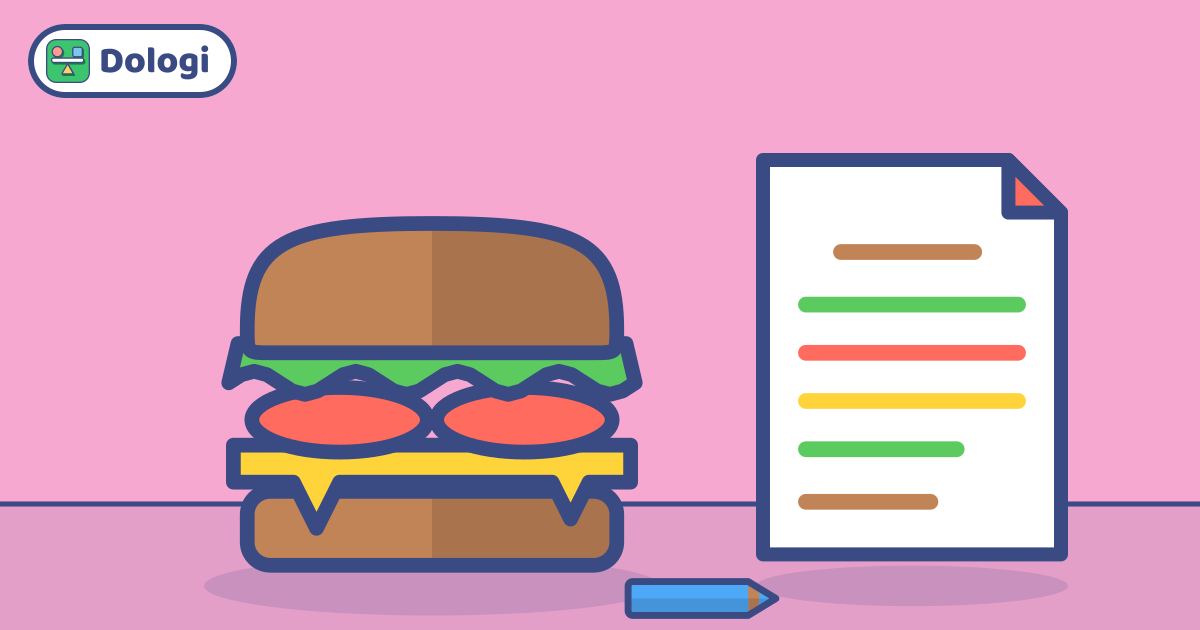
Many elementary classrooms use a picture kids already know: a sandwich. The top slice of bread is the topic sentence, the fillings are the details, and the bottom slice is the closing sentence. Here's how to practice that at home, a few minutes at a time, starting with a topic your child loves.
What a paragraph is
A paragraph is a group of sentences about one main idea. A first paragraph usually has three parts:
| Part of the sandwich | Part of the paragraph | What it does |
|---|---|---|
| Top bread | Topic sentence | Tells the reader what the paragraph is about |
| Fillings | Supporting details (2 to 4 sentences) | Give reasons, examples or facts |
| Bottom bread | Closing sentence | Wraps up the idea in new words |
Kids usually start writing short paragraphs in the early elementary years, once a few sentences in a row feel comfortable. The exact grade varies by school, and so does every child.
Say it before you write it
Writing is hard because a child has to think of ideas, find words and form letters all at once. Taking the ideas out loud first makes the writing much lighter.
- Pick a topic your child knows well: a pet, a favorite game, a place they like to go, how to make their favorite snack.
- Ask for the top bread: "If you had to tell someone in one sentence, what would you say?"
- Count the fillings on fingers: "Tell me three things about it." Hold up a finger for each.
- Ask for the bottom bread: "How would you finish, so your listener knows you're done?"
Saying a paragraph aloud and hearing how it sounds is good listening practice too. If your child is just starting to write, you can be the scribe while they talk; the thinking is still theirs. Retelling events in order is a great warm-up, as in retelling the day in order.
Build the sandwich on paper
Before full sentences, draw a quick plan.
- Grab a pencil and draw a sandwich with a top slice, three filling layers and a bottom slice.
- Write one or two words in each layer, not whole sentences: "Max, best friend," "waits at door," "fetches ball," "sleeps by bed," "happy."
- Turn each layer into a sentence. Start a new line for the paragraph and indent the first word, as most teachers ask.
Here's a paragraph a 7- or 8-year-old might write from that plan:
My dog Max is my best friend. Every day after school, he waits for me at the door. When I throw his ball, he runs as fast as he can and brings it back. At night, he sleeps on a rug next to my bed. I am so glad Max is part of our family.
The first sentence is the top bread, the next three are fillings, and the last one closes the paragraph without repeating the first word for word.
Linking words hold the layers together
Small words help the reader move from one sentence to the next.
- To add: first, also, another thing, plus.
- To order: first, next, then, after that.
- To explain: because, so, for example.
- To close: in the end, that's why, all in all.
Keep a short list on the fridge and let your child pick one or two per paragraph. Too many linking words make writing stiff, so one in the middle and one in the closing sentence is plenty. New, precise words make the fillings tastier; see building your child's vocabulary in everyday talk.
Check it together by reading aloud
Correct everything in red and your child learns mostly that writing is risky. Try this instead.
- Your child reads the paragraph out loud. Many mistakes are easier to hear than to see: a missing word, a sentence that runs on.
- Ask the sandwich question: "Does every filling belong in this sandwich?" A sentence about a different topic can be saved for another paragraph.
- Pick one thing to improve, not five. This week it might be the closing sentence; next week, linking words.
- Say what works, specifically: "Your topic sentence tells me right away what this is about."
Spelling can wait in a journal; a journal that starts with one sentence and one picture keeps writing relaxed. Older kids who already write paragraphs can use the same three parts to summarize what they read, as in teaching older kids to take notes.
A paragraph needs things in the right order, which starts with good listening. In Dologi's Listening topic, the Listen and play back puzzle plays a few notes, and your child plays the same white keys in the same order. It's a small, playful way to practice holding a sequence in mind.
In short
- A paragraph is one idea in three parts: topic sentence (top bread), details (fillings), closing sentence (bottom bread).
- Pick a topic your child loves and say the paragraph out loud before writing it.
- Plan with a quick sandwich drawing and a word or two per layer, then write the sentences.
- Add a linking word or two, read the paragraph aloud together, and work on one thing at a time.
Read more: Journaling for kids: start with one sentence and one picture, Retelling the day in order, Building your child's vocabulary in everyday talk