Your child hides behind your leg at the party, whispers answers to the teacher, or will not say hello to Grandpa. You may worry, or feel embarrassed. Take a breath: shyness is part of temperament, not a flaw that needs fixing.
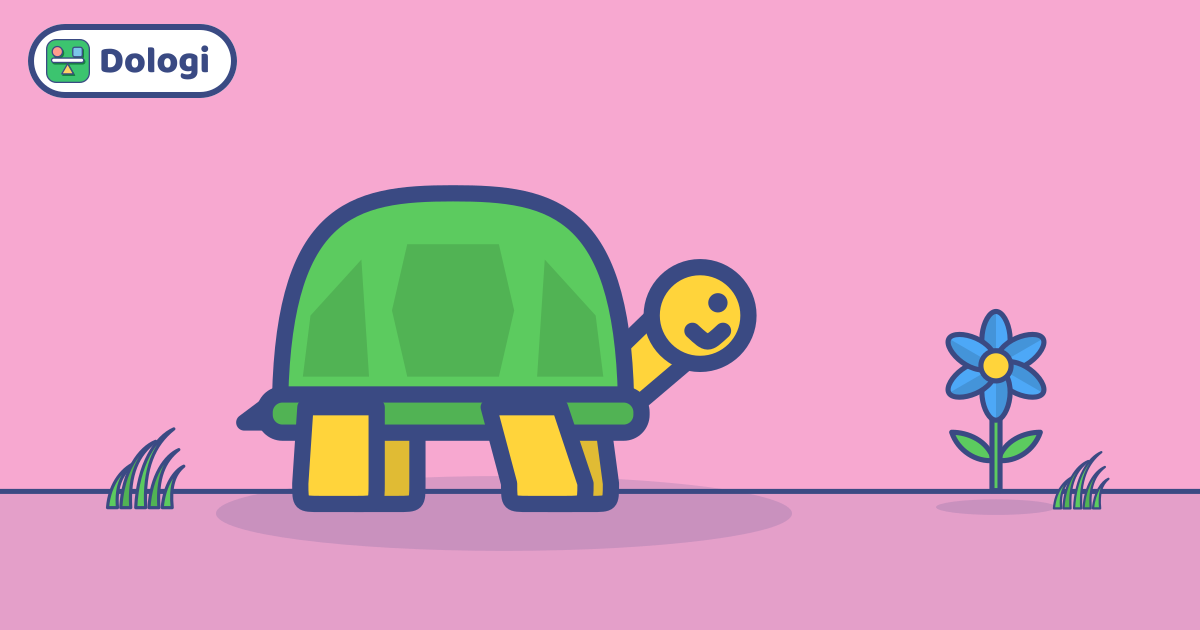
Think of a turtle. It pokes its head out when it feels safe. If you pull on it, it goes right back in. A shy child is much the same: they come out when they feel safe, and pushing only sends them back into the shell. The aim is confidence, step by step, without forcing.
Shy is not something wrong
Many shy children "warm up slowly". They watch first, then join. This is different from a child who simply enjoys playing alone, which is also fine.
Try not to label your child in front of them or others: "She's so shy." Children believe the labels they hear. Say instead: "He likes to watch first, and then he'll join in." That describes a pattern, and it leaves room for change.
Give time to warm up
- Arrive early to a party or class, while it is still quiet.
- Stay close at first, then step back a little at a time.
- Let your child watch before joining in.
- Agree on a small signal, such as a squeeze of the hand, that means "I need a moment."
Greetings are a common sore spot. In many families, children are expected to say hello, give a hug or a kiss to relatives. Respect your family's customs, but allow a gentler first step: a wave, a high five, a smile, or saying hello while standing next to you. Hello can get bigger as your child feels more comfortable.
Practice at home first
Role-play with toys, or swap roles so that you are the shy one and your child coaches you:
- Ordering at a bakery or a restaurant
- Asking "Can I play too?"
- Answering the teacher
- Saying hello and goodbye
Prepare a few short, ready-made phrases. Before something new, visit the place, look at photos, and talk about who will be there and what will happen. Surprises are harder than plans.
Small steps, praise the step
Break a big step into a ladder. Here is one for a shop:
| Step | What your child does | What you say |
|---|---|---|
| 1 | Stands next to you while you pay | "Thanks for staying with me." |
| 2 | Hands over the money | "You gave the money yourself." |
| 3 | Says thank you | "You said thank you to the cashier yourself." |
| 4 | Asks for one item | "You asked for the bread. That took courage." |
Move up only when your child is ready, which might be the next visit or a few weeks later. Praise what they did, not the person they are.
What to avoid
- Answering for your child. Wait a few seconds. Silence often means "I'm thinking."
- Comparing with a sibling or another child.
- Making them perform for guests: sing, recite, show a trick.
- Scolding or bribing them to speak.
- Overprotecting. Let them try small things themselves, even if it takes longer.
Friends and school
Big groups can be overwhelming. Start with one-on-one playdates at home, with a shared activity such as building, drawing or cooking, so the activity does the talking. Tell your child's teacher how your child warms up, so that they can offer a gentle start. You will find more ideas in our posts on making friends and sharing and helping kids speak up in class.
When to ask for help. Talk with your child's teacher and your doctor or a child specialist if shyness causes your child a lot of distress, if your child does not speak at all outside the family for a long time, or if they avoid school and activities. Asking for support is a caring step.
In Dologi's Listening topic, the puzzle Listen and play back has your child hear a short tune and play it back. Let your child be the "teacher": show a grandparent, an older cousin or you how to play. Explaining something they know well is a safe, small way to practice speaking up.
In short
- Shyness is temperament, not a problem. Like a turtle, your child comes out when they feel safe.
- Give time to warm up, offer gentler ways to say hello and avoid labels.
- Practice at home with role-play, then climb a ladder of small steps and praise each step.
- Do not answer for your child or push them. Ask the teacher or a doctor if shyness is causing a lot of distress.
Read more: Helping kids speak up in class, Making friends and sharing, Child afraid of the dark