Long before anyone talked about "brain training," children were already doing it on rainy afternoons and long car rides. Games like Simon says, I spy and noughts and crosses were passed down from older kids to younger ones, needed nothing but a few household things, and quietly asked a lot of a child's mind: remember a growing list, hold back until the right moment, work out a secret from clues, think one move ahead.
This post picks seven traditional games from Britain and America that suit children aged about 4 to 12. For each one you'll find how to play, which skill it exercises and how to make it easier or harder.
Why old games train memory and thinking
Every traditional game has rules, and following rules is the workout. Children have to keep the rules in mind, wait for their turn, stop themselves from acting too soon and adjust when the situation changes. Child development researchers call these skills executive functions, and they show up everywhere in school, from following a three-step instruction to solving a word problem.
Simon says is a good example. One task researchers use to measure self-control in preschoolers is a Simon-says-style game with a twist: when the adult says "touch your head," the child must touch their toes instead. Children who do well on it tend to do better in early math and reading. The game at home is simpler, but it exercises the same thing.
Games that build memory
I went to market
The first player says, "I went to market and I bought an apple." The next player repeats the whole sentence and adds one item: "…an apple and a bunch of bananas." Round the circle it goes, with the list growing each turn. Some families play it as "I packed my bag."
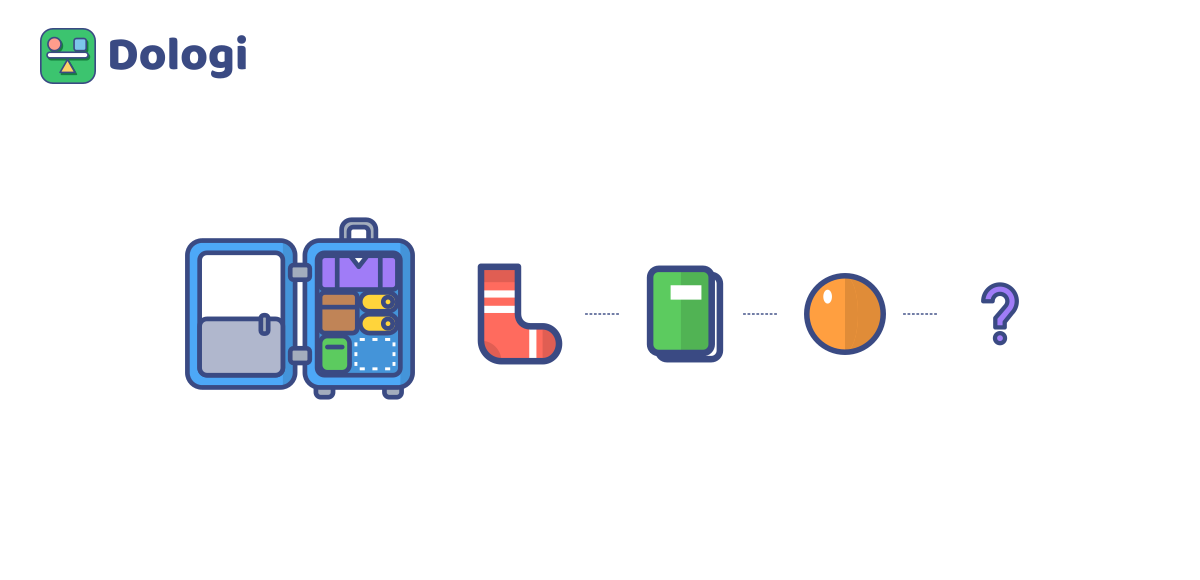
- Skill: holding a list in order and adding to it, which is exactly the kind of working memory children need for mental math.
- Younger kids (4–5): let them use a picture clue, or play with only three people so the list comes round quickly.
- Older kids: go through the alphabet (apple, bananas, carrots…) so each item must also fit a pattern.
Kim's game
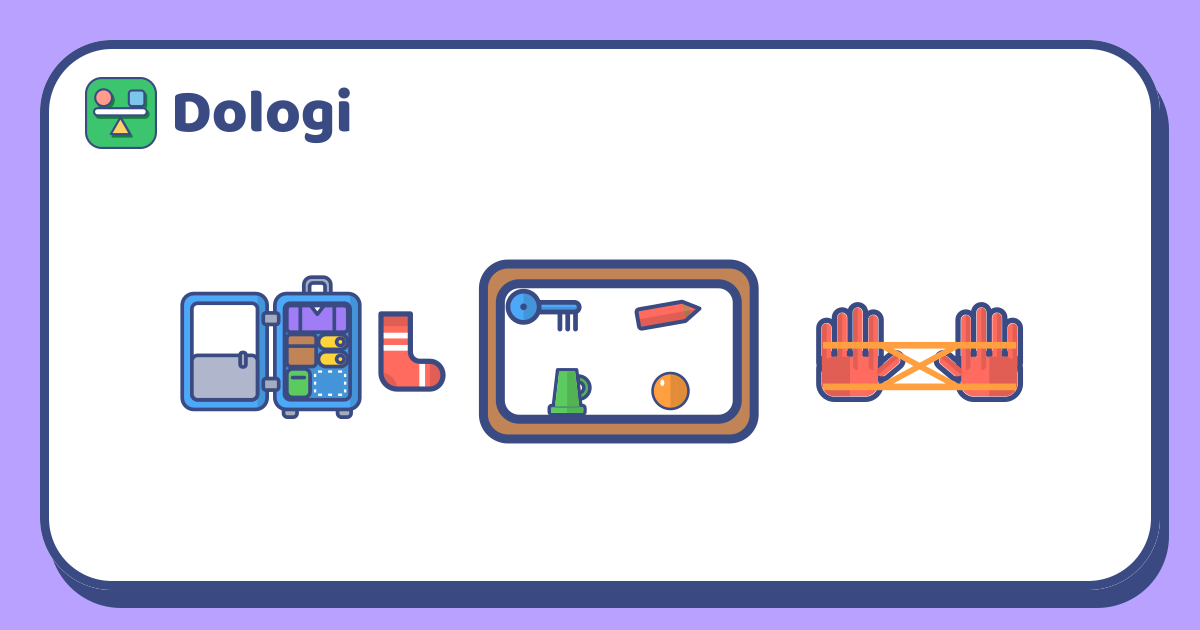
Put six to ten small objects on a tray: a key, a spoon, a pencil, a cup, a ball. Children look for a minute, then you cover the tray with a cloth and quietly take one thing away. Uncover it and ask what's missing. The game takes its name from a memory exercise in Rudyard Kipling's novel Kim and has been a scouting favorite ever since.

Start with five objects for young children. For older ones, swap two objects' places instead of removing one, or ask them to list everything on the tray from memory.
Games that build listening and self-control
Simon says
The leader gives commands: "Simon says touch your nose." Players only obey when the command starts with "Simon says." If the leader just says "Jump!" anyone who jumps is caught. The challenge is to listen to the exact words rather than copying what the leader does.
To keep everyone playing, give a point for being caught instead of sending children out. For older kids, add a reverse rule like the research version: "Simon says touch your head" means touch your toes.
Red light, green light
One player is "it" and stands at the far end with their back to the group. On "green light," everyone creeps forward. On "red light," "it" turns around and anyone still moving goes back to the start. Stopping your whole body on a single word is harder than it sounds, and it's a playful way to practice stopping when told.
Games that build reasoning and planning
I spy and Twenty Questions
In I spy, one player picks something in view and gives a clue: "I spy with my little eye something that is red." Others guess. Twenty Questions is the next step up: one player thinks of an object or animal, and the others may ask only yes-or-no questions. Good questions cut the possibilities in half ("Is it alive?") rather than guessing one thing at a time ("Is it a cat?"). Talk about which questions helped most after each round.
Noughts and crosses
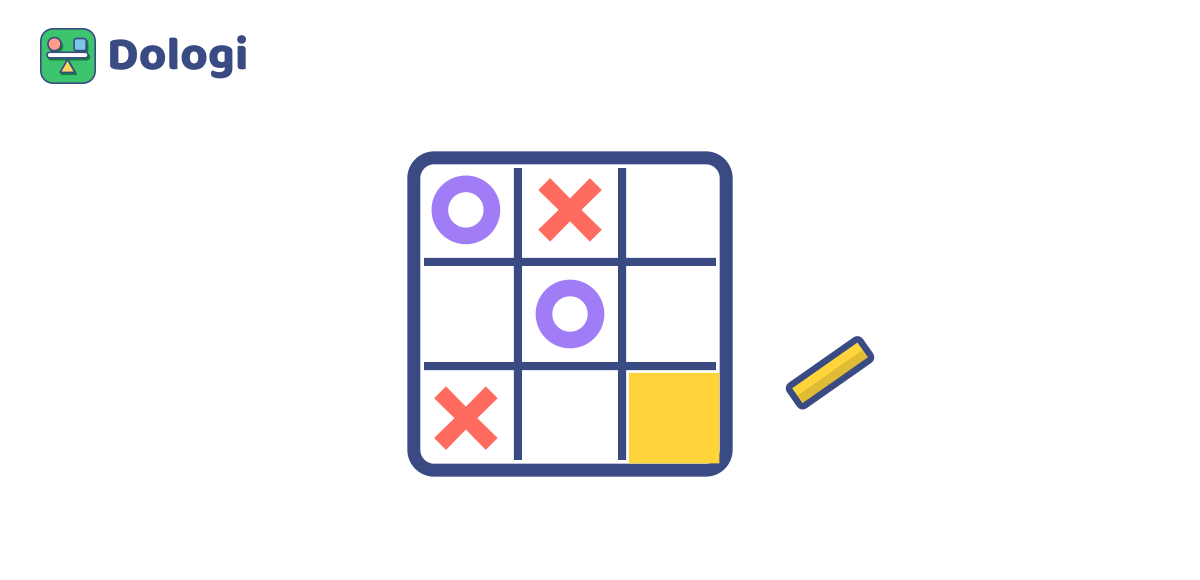
Also called tic-tac-toe. Draw a three-by-three grid, take turns marking X and O, and try to get three in a row. Young children learn to block; older ones discover that a careful player can never lose, which is a great moment to ask, "How did you know?"
Cat's cradle
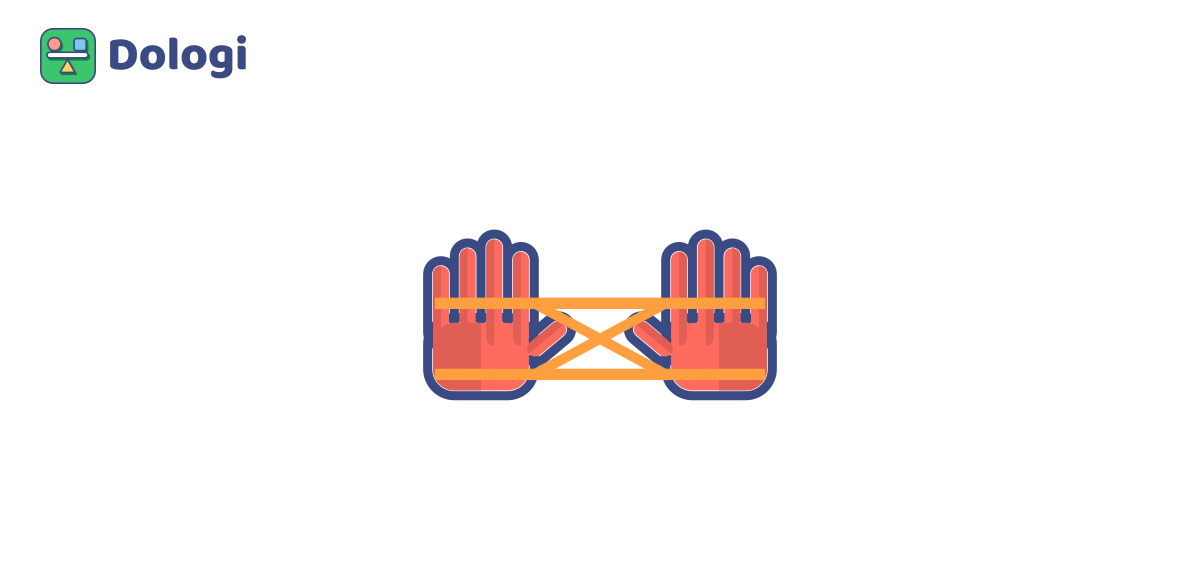
Two players pass a loop of string back and forth, each one picking up the strings in a new way to make the next shape. Children have to remember the sequence of moves and picture how the string will change, which is great practice for spatial thinking.
Making the games work at every age
| Age (roughly) | Start with | Tip |
|---|---|---|
| 4–5 | I spy with colors, Simon says, Kim's game with five things | Keep rounds short and let them be the leader often |
| 6–8 | I went to market, red light green light, noughts and crosses | Ask "How did you work that out?" after each guess |
| 9–12 | Twenty Questions, Kim's game with swaps, cat's cradle sequences | Let them teach the game to a younger child |
- Play for real. Children learn the most from watching an adult think, guess wrong and try again.
- Praise the thinking, not the win. "You remembered every item in order!" helps more than "You're so smart."
- Share where it came from. Tell your child which of these games you played as a kid and with whom.
These are the same skills Dologi practices in its Memory, Listening and Logic topics. On days without friends to play with, a few short puzzles in the app are another way to keep practicing.
In short
- Traditional games have rules, and following them trains memory, self-control and planning.
- I went to market and Kim's game build memory; Simon says and red light, green light build listening and stopping on cue.
- I spy, Twenty Questions, noughts and crosses and cat's cradle build reasoning and spatial thinking.
- Adjust the rules for your child's age, play along, and ask how they worked things out.
Read more: Traditional playground games: jump rope, stick-and-ball jacks and tug of war · String figure games with one loop of yarn · Games for waiting and car rides