Your child spots an enemy piece standing all alone, eyes light up, hand shoots out. Next move, the piece they captured with is gone too, sometimes worse. "Why didn't you see that?" Most of the time they could have, with a few more seconds of looking. The problem is that they stopped searching the moment they found a move that looked good.
This post is for kids roughly 7 to 12 who know how the pieces move and can play a full game. It covers why the first move is so tempting, the traps kids fall into most, a "found a good move? look for one more" habit, some games to practice at home, and how to use the same habit away from the board. The safety check before each move (can the piece I'm moving be captured?) is already in chess for kids; this post goes one step further: comparing options.
Why the first move is so tempting
- It jumps out: a piece to capture, a check to give. Anything that looks like a gain stands out on the board.
- The gain is right there: capture a piece and you've got it in your hand. The loss happens on the next move, and you have to imagine it to see it.
- Searching more takes effort: once you have a decent move, finding another one is work. Adults do this too, not just kids.
That's why "think harder" usually isn't enough. Kids need something specific to do before they move.
The traps kids fall into most
| Trap | What it looks like | Question to ask |
|---|---|---|
| Taking the bait | An enemy piece looks loose, but another enemy piece is protecting it | "After I take, which piece can take mine back?" |
| Check just because | A check is available, so it gets played; the king steps aside and the checking piece gets chased | "After the check, what's my next move?" |
| Capturing and leaving a hole | A piece leaves its post to capture, and something it was guarding is now unprotected | "What is this piece guarding? Who guards it after it leaves?" |
| Early queen hunts | The queen comes out early chasing loose pieces and gets chased back by pawns and knights, wasting moves | "Could a smaller piece do this job instead?" |
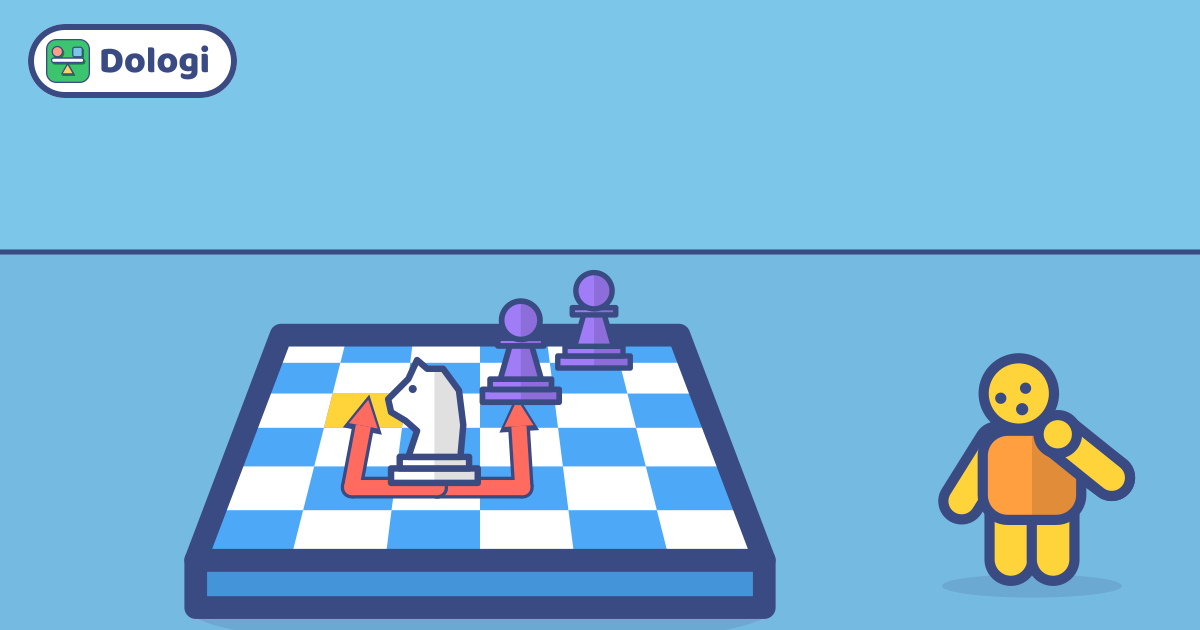
A classic example of the first trap: a white knight on c3, a black pawn on d5, and behind it a black pawn on e6. Knight takes d5 looks like winning a pawn, but the e6 pawn takes right back, and White has traded a knight for a pawn. The question in the last column makes this trap easy to spot.
The "look for one more move" habit
Three steps you can teach like a little motto:
- Found a good-looking move? Don't touch a piece yet. Look for at least one other move, even just to compare.
- For each move, ask "How will you answer?" Put yourself in your opponent's chair and find their best reply, not the reply you're hoping for.
- Compare what's left after their answer, then choose. Which move leaves you with more pieces, a safer king, more active pieces?
At first, use the three steps only for moves that "look great": captures, checks, or when your child is about to move the queen. Doing it for every move drags the game out and gets boring. Thinking ahead with chess has more ways to practice looking further than one move.
Games to practice at home
- Two moves in hand: in a practice game, before every capture or check, your child points to two possible moves. You ask, "Which one is better, and why?" They choose, then play.
- Parent sets the bait: leave a piece that "looks forgotten" but is protected. Your child scores a point for spotting the trap; if they take the bait, look at it together. Now and then leave a piece that's really loose, so your child doesn't decide every loose piece is a trap.
- Switch sides: before an important move, your child stands up and looks at the board from the other side, or you spin the board around. From the opponent's seat, the piece guarding the bait usually becomes obvious.
- Replay one moment: after the game, pick one time your child took the bait, set up the position just before it and find two or three other options together.
Beyond the board: the first option isn't always the best
The habit works in plenty of other places:
- Math problems: the first method that comes to mind may be long. "Is there another way?" often leads to a shorter one.
- Choosing things: the flashiest toy in the store isn't always the one your child plays with longest. Asking "How will you play with it after a week?" is step two of the habit.
- Sharing chores: the first way of splitting the jobs isn't always the fairest.
Compare, then choose and teaching kids to make decisions have more ways to practice this in everyday life.
In the Chess room in Dologi's Creative corner, the Magnifier button shades the squares your opponent controls, so when your child is about to put the knight on the bait pawn's square, they can see the square is guarded before they move. After the game, Watch the game again lets your child stop at any move and try a different one right there ("Your old game stays as it was"), so they can compare both options: the move they played and the move they could have played.
In short
- Kids play the first move they see because it stands out and the gain is immediate; "think harder" isn't enough.
- Four common traps: taking the bait, check just because, capturing and leaving a hole, early queen hunts.
- A three-step habit: don't touch a piece yet, ask "How will you answer?" for each move, compare what's left, then choose.
- Practice with two moves in hand, setting the bait and switching sides; use the same habit for math and everyday choices.
Read more: Chess: seeing the other side, Stop guessing and check