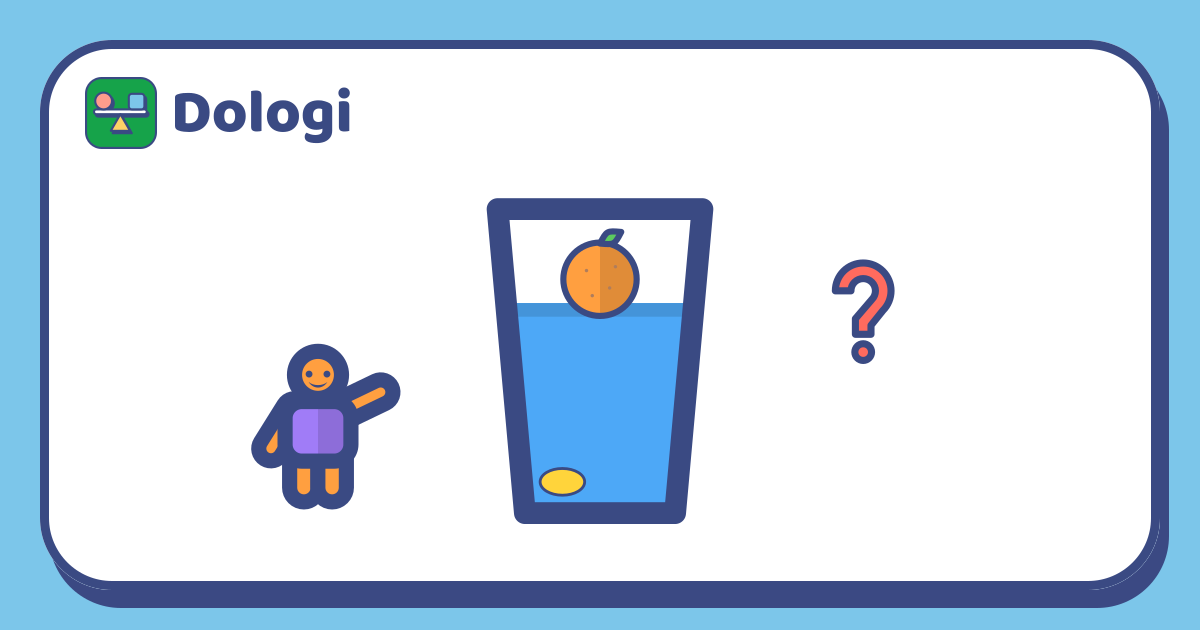
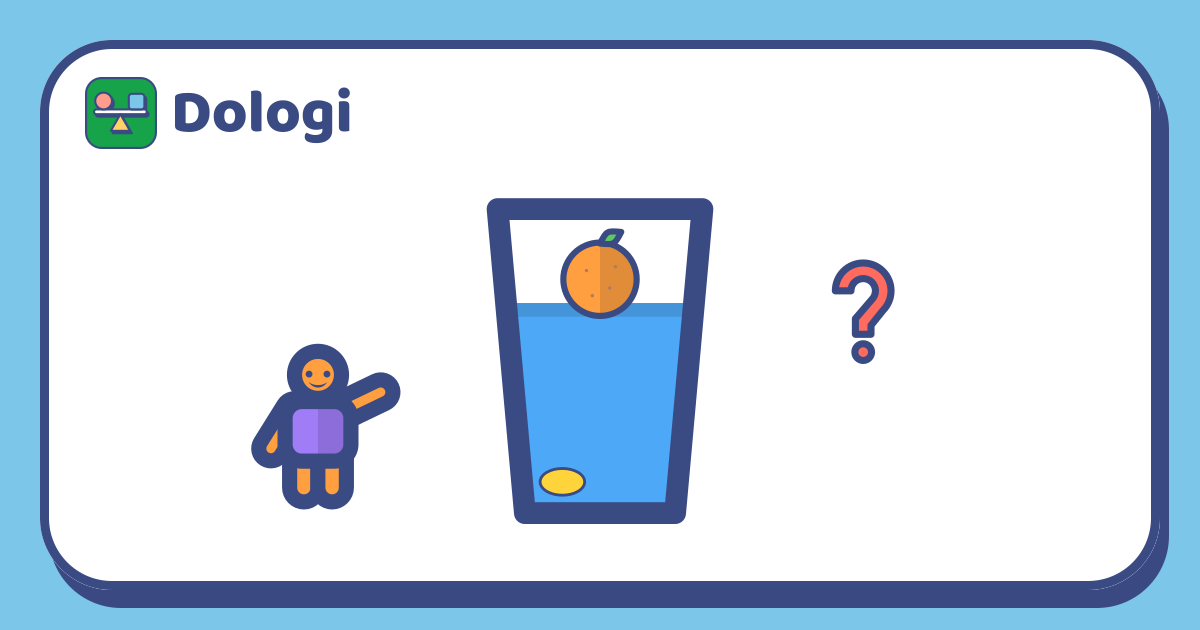
A bowl of water and a few kitchen objects make a perfect first science experiment. Why guessing before testing matters, how to set it up with a simple guess-and-result table, the surprises worth talking about, and ways to take it further.
Children are naturally curious about what's inside things. Taking apart old, broken objects together is a great way to explore how parts work together. Why it builds thinking, how to choose safe things to open, how to do it step by step, drawing the parts, and trying to put it back together.
Builders and designers rarely get things right the first time; they try, test and improve. How to teach this cycle with a tallest-paper-tower challenge, how to notice why something failed and change one thing at a time, more simple build challenges, and how to treat mistakes as useful information.
Người chế tạo và nhà thiết kế hiếm khi làm đúng ngay lần đầu; họ làm thử, kiểm tra rồi cải tiến. Cách dạy con vòng lặp này qua thử thách xây tháp giấy cao nhất, cách tìm ra vì sao hỏng và mỗi lần chỉ đổi một thứ, thêm vài thử thách xây dựng đơn giản, và coi lỗi là thông tin có ích.
Trẻ luôn tò mò bên trong đồ vật có gì. Cùng nhau tháo những món đồ cũ, hỏng là cách tuyệt vời để khám phá các bộ phận phối hợp với nhau ra sao. Vì sao việc này rèn tư duy, cách chọn đồ an toàn để tháo, cách làm từng bước, vẽ các bộ phận, và thử lắp lại.
Một chậu nước và vài món đồ trong bếp là đủ cho thí nghiệm khoa học đầu tiên. Vì sao cần đoán trước khi thử, cách chuẩn bị với một bảng đoán và kết quả đơn giản, những điều bất ngờ đáng trò chuyện, và cách mở rộng thí nghiệm.
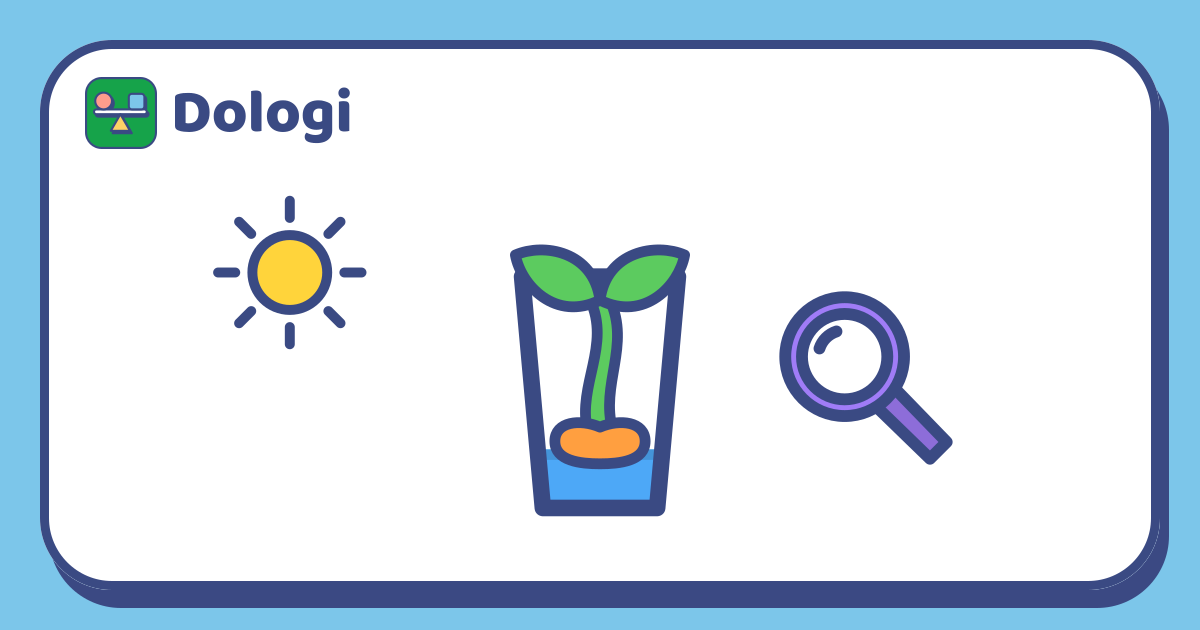
Una judía seca, un vaso transparente y un poco de algodón húmedo bastan para un primer proyecto de ciencia tranquilo. Cómo prepararlo, cómo observar y anotar cada día con dibujos y medidas, un experimento justo con luz y oscuridad, y las preguntas que convierten mirar en pensar como un científico.
Quienes construyen y diseñan casi nunca aciertan a la primera: prueban, comprueban y mejoran. Cómo enseñar este ciclo con el reto de la torre de papel más alta, cómo descubrir por qué algo falló y cambiar una sola cosa cada vez, más retos sencillos de construcción y cómo ver los errores como información útil.
Un cuenco con agua y unos cuantos objetos de la cocina bastan para un primer experimento científico. Por qué conviene adivinar antes de probar, cómo prepararlo con una tabla sencilla de predicciones y resultados, las sorpresas que dan para hablar y formas de ir más allá.
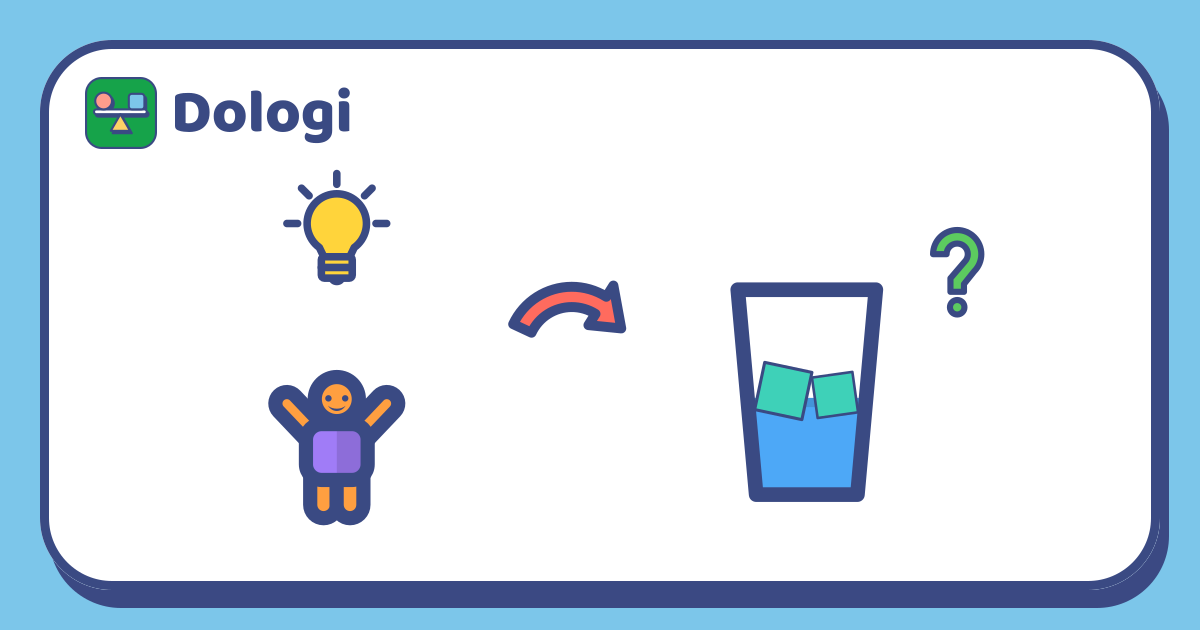
Hipotesis adalah tebakan beralasan yang bisa diuji. Cara memperkenalkan kalimat "Menurutku… karena…", uji pertama dengan es batu yang mencair, mengapa hipotesis yang salah justru kabar baik, dan teka-teki sehari-hari agar anak bisa membuat dan menguji idenya sendiri.
Sebutir kacang kering, gelas bening, dan sedikit kapas basah sudah cukup untuk proyek sains pertama yang santai. Cara menyiapkannya, cara mengamati dan mencatat setiap hari dengan gambar dan ukuran, percobaan yang adil dengan terang dan gelap, dan pertanyaan yang mengubah kegiatan melihat menjadi berpikir ilmiah.
Semangkuk air dan beberapa benda dapur sudah cukup untuk percobaan sains pertama. Mengapa menebak sebelum mencoba itu penting, cara menyiapkannya dengan tabel tebakan dan hasil yang sederhana, kejutan yang layak dibicarakan, dan cara mengembangkannya.
As crianças têm curiosidade natural sobre o que existe dentro das coisas. Desmontar juntos objetos velhos e quebrados é um ótimo jeito de descobrir como as peças trabalham em conjunto. Por que isso ajuda a pensar, como escolher objetos seguros para abrir, como fazer passo a passo, desenhar as peças e tentar montar de novo.
Um grão de feijão, um copo transparente e um pouco de algodão úmido bastam para um primeiro projeto de ciências tranquilo. Como montar, como observar e registrar todo dia com desenhos e medidas, um teste justo com luz e escuro, e as perguntas que transformam olhar em pensar como cientista.
Quem constrói e projeta quase nunca acerta de primeira: testa, confere e melhora. Como ensinar esse ciclo com o desafio da torre de papel mais alta, como descobrir por que algo falhou e mudar uma coisa de cada vez, outros desafios simples de construção e como encarar os erros como informação útil.
아이들은 물건 속에 무엇이 들었는지 타고난 호기심이 있습니다. 낡고 고장 난 물건을 함께 분해하면 부품들이 어떻게 함께 움직이는지 알아볼 수 있습니다. 생각하는 힘이 자라는 이유, 안전하게 열어 볼 물건 고르는 법, 단계별로 하는 법, 부품을 그려 보는 법, 그리고 다시 조립해 보는 도전을 소개합니다.
무언가를 만들고 설계하는 사람도 처음부터 잘되는 일은 드물고, 해 보고 확인하고 고쳐 나갑니다. 가장 높은 종이탑 도전으로 이 과정을 가르치는 법, 왜 안 됐는지 찾고 한 번에 하나만 바꾸는 요령, 다른 간단한 만들기 도전, 그리고 실수를 쓸모 있는 정보로 받아들이는 법을 소개합니다.
Ceux qui construisent et conçoivent réussissent rarement du premier coup : ils essaient, testent et améliorent. Comment enseigner ce cycle avec le défi de la plus haute tour en papier, comment comprendre pourquoi quelque chose a échoué et ne changer qu'une chose à la fois, d'autres défis de construction simples, et voir les erreurs comme des informations utiles.
Un haricot sec, un verre transparent et un peu de coton humide suffisent pour un premier projet scientifique tout en douceur. Comment l'installer, comment observer et noter chaque jour avec des dessins et des mesures, une expérience équitable entre lumière et obscurité, et les questions qui transforment l'observation en démarche scientifique.
Une hypothèse, c'est une supposition avec une raison, que l'on peut tester. Comment introduire la phrase « Je pense que… parce que… », un premier test avec des glaçons qui fondent, pourquoi une hypothèse fausse est une bonne nouvelle, et des énigmes du quotidien pour que l'enfant formule et teste ses propres idées.
Eine getrocknete Bohne, ein durchsichtiger Becher und etwas feuchte Watte reichen für ein ruhiges erstes Forschungsprojekt. Wie Sie es vorbereiten, wie Sie jeden Tag mit Zeichnungen und Messungen beobachten und festhalten, ein fairer Versuch mit hell und dunkel und die Fragen, die aus Zuschauen wissenschaftliches Denken machen.
Eine Hypothese ist eine begründete Vermutung, die man überprüfen kann. Wie Sie den Satz „Ich glaube … weil …“ einführen, ein erster Versuch mit schmelzenden Eiswürfeln, warum eine falsche Hypothese eine gute Nachricht ist und Alltagsrätsel, bei denen Ihr Kind eigene Ideen aufstellen und testen kann.
Eine Schüssel Wasser und ein paar Dinge aus der Küche reichen für ein erstes naturwissenschaftliches Experiment. Warum man vor dem Ausprobieren raten sollte, wie Sie es mit einer einfachen Tabelle aus Vermutungen und Ergebnissen vorbereiten, welche Überraschungen ein Gespräch wert sind und wie es weitergehen kann.