How to help your child stick with one chess puzzle a day, about five minutes each: tie it to a routine you already have, let your child pick the difficulty, what the five minutes look like, what to do with missed puzzles, and a calendar your child marks with little pawns.
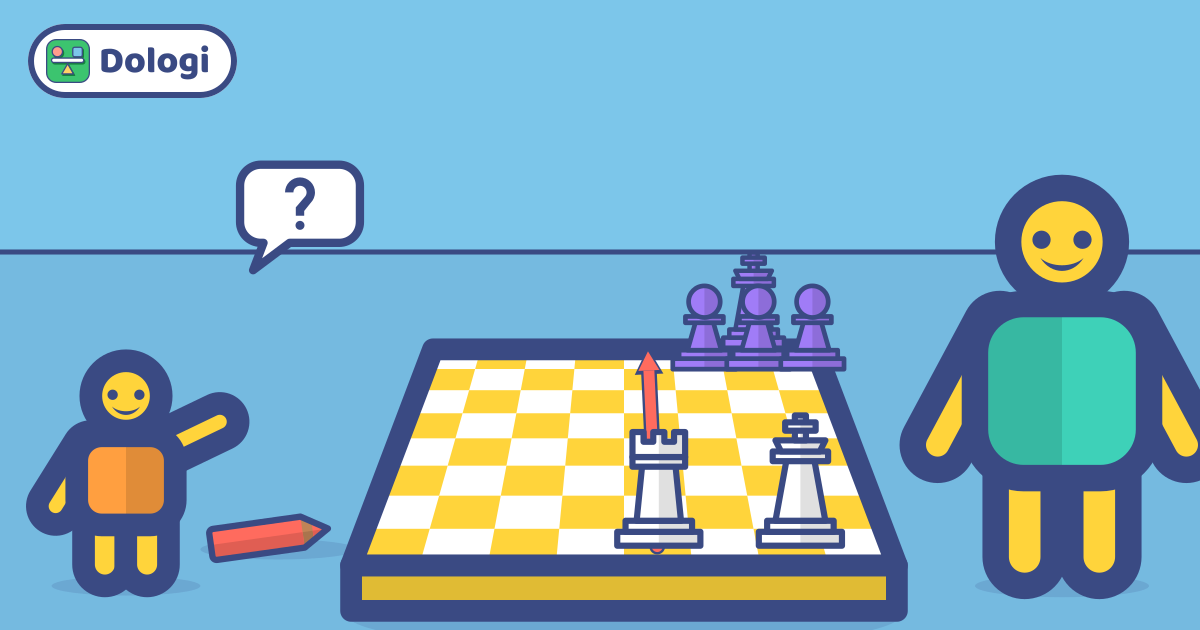
A king hiding behind three pawns gets mated by a single rook on the back row; two rooks take turns pushing a king to the edge like climbing a ladder. This guide explains the two checkmate patterns beginners meet most, how to defend against them, and six practice positions with answers to set up with your child.
Every chess piece moves in its own geometric way: rooks go straight, bishops go diagonally, knights jump in an L. To move them, children have to picture directions, diagonals, distances and "how many moves to get there." Here is where chess practices spatial thinking, with paper and board games to try at home.
Four puzzles that use a chessboard without playing a game: send a knight to every square, place queens that can't capture each other, clear the pawns with a rook in the fewest moves, and count a king's shortest routes. Each challenge starts on a small board, takes about ten minutes, and comes with hints and checked answers.
Your child knows how the pieces move and can give check, but games are still just trading pieces back and forth? This post explains the fork, the pin and the skewer with everyday pictures, one diagram for each, a "spot the tactic" game to play at home and three puzzles with answers.
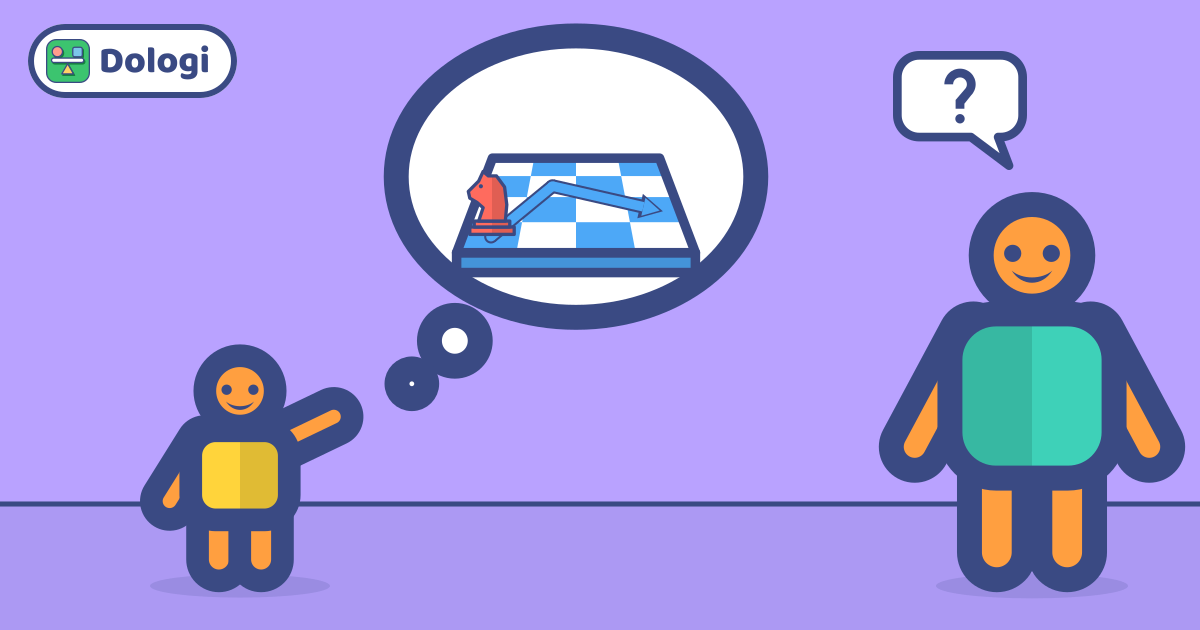
A chess game with no board: you call out the moves, your child keeps the board in their head and answers "where is the piece now?" This post goes step by step from one piece on a tiny four-square board to two pieces, to glancing at a real board for five seconds and playing on in your head, with puzzles, answers and tips for the car and bedtime.
Your child knows how the pieces move but starts every game by pushing edge pawns or rushing the queen out? Skip the memorized openings. Here are three easy principles, the reason behind each, the three mistakes beginners make most, and a "first ten moves" game to play together.
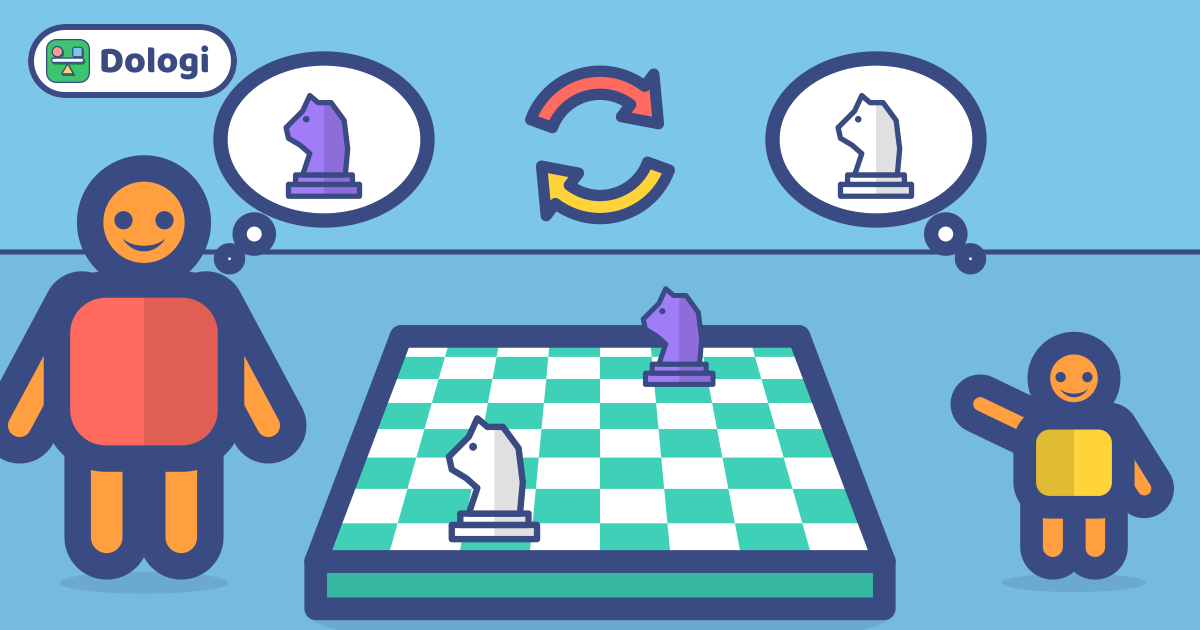
Children often see only their own plan on the chessboard, then get surprised when a piece disappears. This post suggests asking "what did they just want to do?" after each move, a turn-the-board game in the middle of a match, retelling the game from the other side, and ways to carry the habit into playtime with friends.
A game of chess asks a child to pay attention for a long stretch, wait their turn and watch the whole board, not just their own pieces. Here is what chess can and can't do for attention, why beginners so often walk away mid-game, and small changes that help your child stay with the board without pushing.
The honest answer: every chess position is a small problem where your child practices four steps (look at the options, try it in your head, choose, check again), but those steps don't automatically carry over to homework or playground arguments. Here's how to help them make the jump.
Con biết đi từng quân nhưng đầu ván cứ đẩy tốt lung tung hay đưa hậu ra ăn vội? Không cần học thuộc khai cuộc: ba nguyên tắc dễ nhớ, lý do của từng điều, ba lỗi trẻ hay mắc, và trò tập "mười nước đầu" chơi cùng con.
Bốn câu đố dùng bàn cờ mà không cần chơi ván: cho con mã đi qua mọi ô, đặt hậu không ăn nhau, xe ăn hết tốt trong ít nước nhất, đếm đường ngắn nhất của vua. Mỗi thử thách bắt đầu trên bàn nhỏ, mất chừng mười phút, có gợi ý và đáp án đã kiểm lại.
Con đã biết đi quân và biết chiếu, nhưng ván cờ vẫn chỉ là ăn qua ăn lại? Bài này giải thích ba đòn chiến thuật đầu tiên bằng hình ảnh đời thường, mỗi đòn một thế cờ có sơ đồ, kèm trò "tìm đòn trên bàn" và ba câu đố có đáp án.
Con còn cả hậu mà đuổi mãi không chiếu hết được, hay lỡ tay để ván hòa vì bên kia hết nước đi? Bài này hướng dẫn cách "dồn hộp" bằng hậu, đưa vua lên giúp, tránh bẫy hết nước đi, kèm câu đố và cách tập từ dễ tới khó, bố mẹ cầm vua lẻ.
Vua nấp sau ba con tốt bị một xe chiếu hết ở hàng cuối; hai xe thay nhau đẩy vua ra mép bàn như leo bậc thang. Bài này giải thích hai mẫu chiếu hết hay gặp nhất với trẻ mới học cờ, cách phòng cho phía mình và sáu thế luyện có đáp án để bày cùng con.
Trò cờ không cần bàn: bố mẹ đọc nước, con giữ bàn cờ trong đầu và trả lời "giờ quân ở đâu?". Bài này đi từ một quân trên bàn bốn ô, tới hai quân, tới nhìn bàn năm giây rồi đi tiếp trong đầu, kèm câu đố có đáp án và cách chơi trên xe, trước giờ ngủ.
Trả lời thật: ván cờ cho trẻ tập chờ lượt, nghĩ xong mới đi, chấp nhận kế hoạch cần nhiều nước mới thành; còn sự kiên nhẫn ấy có theo con ra ngoài bàn cờ hay không thì chưa chắc. Kèm vài cách tập ngay tại bàn cờ: tay đặt lên đùi, đếm thầm tới năm, khen đúng lúc.
Câu trả lời thật: mỗi thế cờ là một bài toán nhỏ để con luyện bốn bước nhìn hết lựa chọn, thử trong đầu, chọn, kiểm lại; nhưng các bước ấy chưa chắc tự chuyển sang bài tập hay chuyện bạn bè nếu bố mẹ không nối giúp. Bài này chỉ cách nối.
Cờ vua không phải thuốc bổ trí nhớ, nhưng một ván cờ bắt trẻ nhớ nhiều thứ cùng lúc: luật, cách đi của từng quân, những thế cờ quen và vài nước tính trước trong đầu. Bài này tách từng kiểu nhớ, nói thật điều gì chưa chắc, và gợi ý trò nhớ thế cờ chơi ngay ở nhà.
Một ván cờ đòi trẻ chú ý lâu, chờ lượt và nhìn cả bàn chứ không chỉ quân mình. Bài này nói thật cờ vua luyện được gì cho sự tập trung, vì sao con hay bỏ dở giữa ván, và những cách nhỏ giúp con ngồi được với ván cờ mà không phải ép.
Los niños suelen ver solo su propio plan en el tablero y luego se sorprenden cuando les desaparece una pieza. Este artículo propone preguntar "¿qué quiso hacer el otro con esa jugada?" después de cada movimiento, un juego de girar el tablero a media partida, contar la partida desde el otro lado y formas de llevar ese hábito a los ratos de juego con amigos.
Cada pieza de ajedrez se mueve con su propia geometría: la torre en línea recta, el alfil en diagonal, el caballo en L. Para moverlas, tu hijo tiene que imaginar direcciones, diagonales, distancias y "cuántas jugadas para llegar". Aquí verás dónde el ajedrez practica el pensamiento espacial, con juegos en papel y en el tablero para hacer en casa.
Tu hijo ya sabe mover las piezas y dar jaque, pero sus partidas siguen siendo un ir y venir de piezas comidas. Aquí te explicamos el ataque doble, la clavada y el pincho con ejemplos de todos los días y un diagrama cada uno, más un juego para descubrir tácticas en casa y tres problemas con soluciones.
Una partida de ajedrez le pide a tu hijo poner atención un buen rato, esperar su turno y mirar todo el tablero, no solo sus piezas. Aquí verás qué puede y qué no puede hacer el ajedrez por la concentración, por qué los principiantes dejan la partida a medias y pequeños cambios para que tu hijo se quede jugando sin obligarlo.
El ajedrez es un buen lugar para practicar cómo resolver problemas, pero esa forma de pensar no siempre pasa sola a la tarea o a los pleitos con los amigos. Aquí te contamos qué entrena cada jugada y cómo ayudarle a tu hijo a usarlo fuera del tablero.
Una respuesta honesta: en una partida tu hijo practica esperar su turno, pensar antes de mover y aguantar planes que tardan varias jugadas; que esa paciencia pase a otras situaciones no está asegurado. Además, ideas para practicar en el tablero: manos en las piernas, contar hasta cinco en silencio y felicitar en el momento justo.
El ajedrez no es una vitamina para la memoria, pero una sola partida le pide a tu hijo recordar muchas cosas a la vez: las reglas, cómo se mueve cada pieza, posiciones conocidas y algunas jugadas pensadas por adelantado. Aquí separamos cada tipo de memoria, lo que todavía no es seguro y un juego de memoria con el tablero para hacer en casa.
Tú dices las jugadas en voz alta y tu hijo guarda el tablero en la imaginación para responder. Cuatro niveles, de una pieza en un tablero chiquito a seguir una partida desde el principio, cada uno con su problema y su respuesta, para jugar en el coche, en una sala de espera o antes de dormir.
Por qué los niños suelen jugar la primera jugada que ven, las trampas más comunes como comerse una carnada protegida o dar jaque nada más porque sí, el hábito de tres pasos "¿encontraste una buena jugada? busca otra", juegos para practicar en casa y cómo llevar el hábito de comparar dos opciones fuera del tablero.
¿Tu hijo tiene la dama completita y aun así no logra terminar la partida, o sin querer la deja en tablas por rey ahogado? Aquí te explicamos el método de "la caja que se encoge", cómo traer al rey para que ayude, cómo esquivar la trampa del rey ahogado, un problema con solución y una forma de practicar en casa, de fácil a difícil, contigo jugando con el rey solo.
Membuat soal catur dimulai dari akhir: tentukan skakmatnya dulu, susun posisinya, lalu periksa apakah benar-benar berhasil. Begini cara mendampingi anak langkah demi langkah, lengkap dengan contoh yang bisa dicoba malam ini dan cara bertukar peran.
Catur bukan vitamin untuk daya ingat, tetapi satu permainan meminta anak mengingat banyak hal sekaligus: aturan, cara jalan tiap bidak, posisi yang sudah dikenal, dan beberapa langkah yang dipikirkan lebih dulu. Artikel ini memilah tiap jenis ingatan, menjelaskan apa yang belum pasti, dan memberi permainan mengingat posisi untuk dicoba di rumah.
Jawaban jujur: dalam satu partai catur anak berlatih menunggu giliran, berpikir dulu baru melangkah, dan bertahan dengan rencana yang butuh beberapa langkah; apakah kesabaran itu terbawa ke hal lain belum tentu. Ditambah cara berlatih langsung di papan: tangan di pangkuan, hitung dalam hati sampai lima, dan pujian di saat yang tepat.
Satu permainan catur meminta anak memperhatikan cukup lama, menunggu giliran, dan melihat seluruh papan, bukan hanya bidaknya sendiri. Artikel ini menjelaskan apa yang bisa dan tidak bisa dilakukan catur untuk konsentrasi, kenapa anak yang baru belajar sering berhenti di tengah permainan, dan cara-cara kecil agar anak betah bermain tanpa dipaksa.
Catur sering disebut melatih anak memecahkan masalah. Artikel ini menjelaskan apa yang benar-benar dilatih di papan, apa yang belum tentu terbawa ke PR dan pertengkaran dengan teman, dan bagaimana orang tua bisa menjembataninya.
Dari "aku jalan, kamu membalas" sampai dua tiga langkah berturut-turut, berpikir ke depan adalah kebiasaan bertanya "kalau… maka…" sebelum bertindak. Artikel ini berangkat dari papan catur: tingkatan berpikir ke depan, kenapa sulit bagi anak, permainan latihan di papan, dan cara membawa "kalau… maka…" ke menyiapkan tas, menyusun menara balok, dan merencanakan sore hari.
Setiap bidak catur bergerak dengan geometrinya sendiri: benteng lurus, gajah miring, kuda melompat bentuk L. Untuk menjalankannya, anak harus membayangkan arah, garis miring, jarak, dan "berapa langkah sampai ke sana". Artikel ini menunjukkan di mana catur melatih berpikir spasial, lengkap dengan permainan di kertas dan di papan untuk di rumah.
Anak sering hanya melihat rencananya sendiri di papan catur, lalu kaget ketika bidaknya dimakan. Artikel ini mengusulkan pertanyaan "tadi dia mau apa?" setelah setiap langkah, permainan memutar papan di tengah permainan, menceritakan ulang permainan dari sisi lawan, dan cara membawa kebiasaan itu ke saat anak bermain bersama teman.
Anak sudah tahu cara jalan bidak dan bisa memberi skak, tetapi permainannya masih sekadar saling makan bidak? Artikel ini menjelaskan garpu, pin, dan skewer dengan gambaran sehari-hari, satu diagram untuk masing-masing, permainan "temukan taktiknya" untuk di rumah, dan tiga soal lengkap dengan jawaban.
Cara membantu anak sekitar 6–12 tahun menjelaskan alasan tiap langkah catur dengan kata-katanya sendiri lewat kalimat tiga bagian "aku jalan… karena… lawan bisa…", empat permainan berpikir keras, cara menanggapi alasan yang salah tanpa mencela, dan memakai kalimat yang sama untuk soal cerita matematika.
Resolver um problema de xadrez é olhar para frente; inventar um é começar pelo final e voltar, depois conferir tudo como um árbitro. Veja, passo a passo, como a criança pode montar um problema de verdade em casa, testar se ele funciona e desafiar você.
Quatro quebra-cabeças que usam um tabuleiro de xadrez sem jogar uma partida: levar um cavalo por todas as casas, posicionar damas que não podem se capturar, limpar peões com uma torre no menor número de lances e contar os caminhos mais curtos de um rei. Cada desafio começa num tabuleiro pequeno, leva uns dez minutos e vem com dicas e respostas conferidas.
Seu filho já sabe mexer as peças e dar xeque, mas as partidas ainda são um vaivém de capturas? Este artigo explica o garfo, a cravada e o espeto com imagens do dia a dia e um diagrama para cada um, traz uma brincadeira para achar táticas em casa e três problemas com respostas.
Você diz os lances em voz alta e a criança guarda o tabuleiro na imaginação para responder. São quatro níveis, de uma peça num tabuleiro pequenininho até acompanhar uma partida desde o começo, cada um com problema e resposta, para jogar no carro, na sala de espera ou antes de dormir.
Por que a criança costuma jogar o primeiro lance que vê, as armadilhas mais comuns como comer a isca protegida ou dar xeque à toa, o hábito em três passos "achou um lance bom? procure mais um", jogos para treinar em casa e como levar o hábito de comparar duas opções para fora do tabuleiro.
Seu filho tem a dama inteirinha e mesmo assim não consegue terminar a partida, ou sem querer deixa tudo acabar em empate por afogamento? Este texto mostra o método da "caixa que encolhe", como trazer o rei para ajudar, como escapar da armadilha do afogamento, um problema com resposta e um jeito de treinar em casa, do fácil ao difícil, com você jogando com o rei sozinho.
Muitas partidas de criança terminam do mesmo jeito: o rei preso atrás dos próprios peões, ou empurrado fileira por fileira até a beirada por duas torres. Este texto explica o mate do corredor e o mate com duas torres, como se proteger do primeiro, o truque da escadinha, posições para treinar com respostas e uma brincadeira de caçar padrões em casa.
De "eu jogo, você responde" a dois ou três lances seguidos, pensar adiante é o hábito de perguntar "se… então…" antes de agir. Este texto parte do tabuleiro: os níveis de pensar adiante, por que é difícil para a criança, brincadeiras para treinar no tabuleiro e como levar o "se… então…" para a mochila, a torre de blocos e o plano da tarde.
Como ajudar crianças de uns 6 a 12 anos a explicar cada lance de xadrez com as próprias palavras, usando uma frase em três partes ("vou jogar… porque… você pode…"), quatro jogos de pensar em voz alta, como responder a um motivo errado sem criticar e como usar a mesma frase nos problemas de matemática.
Seu filho já sabe mexer as peças, mas no começo da partida tira a dama cedo demais ou esquece os cavalos em casa. Veja três princípios de abertura simples, o motivo de cada um, os erros mais comuns e uma brincadeira para treinar juntos.
체스가 기억력 영양제는 아니지만, 한 판을 두는 동안 아이는 규칙, 말의 움직임, 익숙한 모양, 몇 수 앞의 계획까지 여러 가지를 한꺼번에 기억합니다. 기억의 종류를 하나씩 나누어 보고, 아직 확실하지 않은 것도 솔직하게 짚은 뒤, 집에서 바로 해 볼 수 있는 배치 기억 놀이를 소개합니다.
아이는 체스판에서 자기 계획만 보다가 말이 잡히면 깜짝 놀라곤 합니다. 이 글은 한 수마다 "방금 상대는 뭘 하려고 한 걸까?" 묻기, 대국 중간에 판을 돌려 보는 놀이, 상대편 입장에서 대국 다시 이야기하기, 그리고 친구와 놀 때로 이 습관을 이어 주는 방법을 소개합니다.
솔직한 답: 체스 한 판에서 아이는 차례를 기다리고, 생각한 뒤에 두고, 여러 수가 걸리는 작전을 끝까지 지켜보는 연습을 합니다. 다만 그 참을성이 다른 상황으로 이어질지는 장담할 수 없습니다. 체스판 앞에서 바로 해 볼 수 있는 연습(손은 무릎 위, 속으로 다섯 세기, 기다린 순간 칭찬하기)도 소개합니다.
Quatre casse-têtes qui utilisent l'échiquier sans jouer de partie : faire passer un cavalier par toutes les cases, placer des dames qui ne peuvent pas se prendre, vider les pions avec une tour en le moins de coups possible, compter les chemins les plus courts d'un roi. Chaque défi commence sur un petit échiquier, dure environ dix minutes et vient avec des indices et des solutions vérifiées.
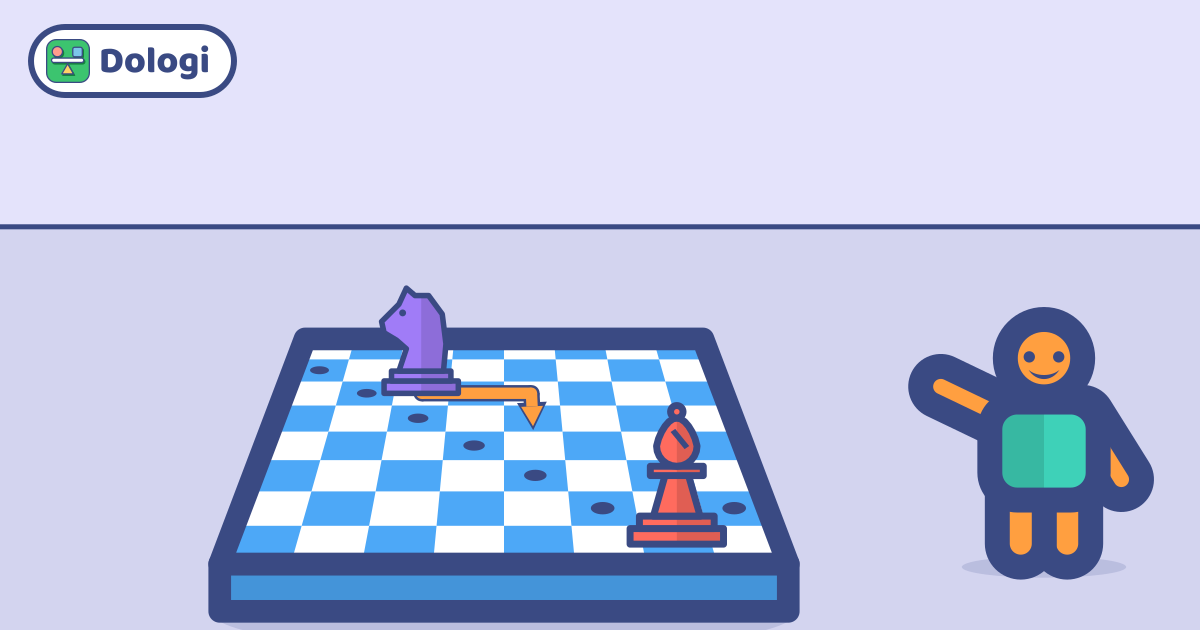
Chaque pièce d'échecs se déplace selon sa propre géométrie : la tour en ligne droite, le fou en diagonale, le cavalier en L. Pour les jouer, l'enfant doit se représenter des directions, des diagonales, des distances et « combien de coups pour y arriver ». Où les échecs font travailler la pensée spatiale, avec des jeux sur papier et sur l'échiquier à faire à la maison.
Les enfants ne voient souvent que leur propre plan sur l’échiquier, puis sont surpris quand une pièce disparaît. Cet article propose de demander « qu’a voulu faire l’autre avec ce coup ? » après chaque coup, un jeu où l’on retourne l’échiquier en pleine partie, le récit de la partie depuis l’autre camp, et des façons de transposer cette habitude aux jeux avec les copains.
Votre enfant connaît la marche des pièces et sait faire échec, mais ses parties se résument encore à prendre ce qui traîne ? Cet article présente la fourchette, le clouage et l'enfilade avec une image du quotidien et un diagramme pour chacune, un jeu pour repérer les tactiques à la maison et trois problèmes avec leurs solutions.
Vous annoncez les coups, votre enfant garde l'échiquier en tête et répond. Quatre niveaux, du cavalier seul sur un petit échiquier de quatre cases sur quatre jusqu'au début d'une vraie partie, avec une question et sa réponse à chaque étape.
Inventer un problème d'échecs, c'est partir de la fin : choisir le mat, construire la position, puis vérifier qu'elle tient. Voici comment accompagner votre enfant pas à pas, avec un exemple à installer ce soir, puis inverser les rôles.
Pourquoi les enfants jouent souvent le premier coup qu'ils voient, les pièges les plus courants comme prendre un appât protégé ou faire échec pour rien, l'habitude en trois étapes « un bon coup ? cherches-en un autre », des jeux d'entraînement à la maison, et comment comparer deux options aussi loin de l'échiquier.
On entend souvent que les échecs rendent les enfants malins et doués pour résoudre n'importe quel problème. Voici une réponse honnête : ce que l'échiquier fait vraiment travailler, ce qui reste incertain, et comment aider votre enfant à se servir de cette façon de réfléchir ailleurs.
Une partie d'échecs demande à l'enfant de rester attentif longtemps, d'attendre son tour et de regarder tout l'échiquier, pas seulement ses pièces. Ce que les échecs peuvent et ne peuvent pas faire pour la concentration, pourquoi les débutants abandonnent en cours de partie, et de petits changements pour que votre enfant reste jouer sans y être forcé.
Les échecs ne sont pas une vitamine pour la mémoire, mais une seule partie demande à l'enfant de retenir beaucoup de choses à la fois : les règles, la marche de chaque pièce, des positions déjà vues et quelques coups calculés à l'avance. Voici chaque type de mémoire, ce qui reste incertain, et un jeu de mémoire avec l'échiquier à faire à la maison.
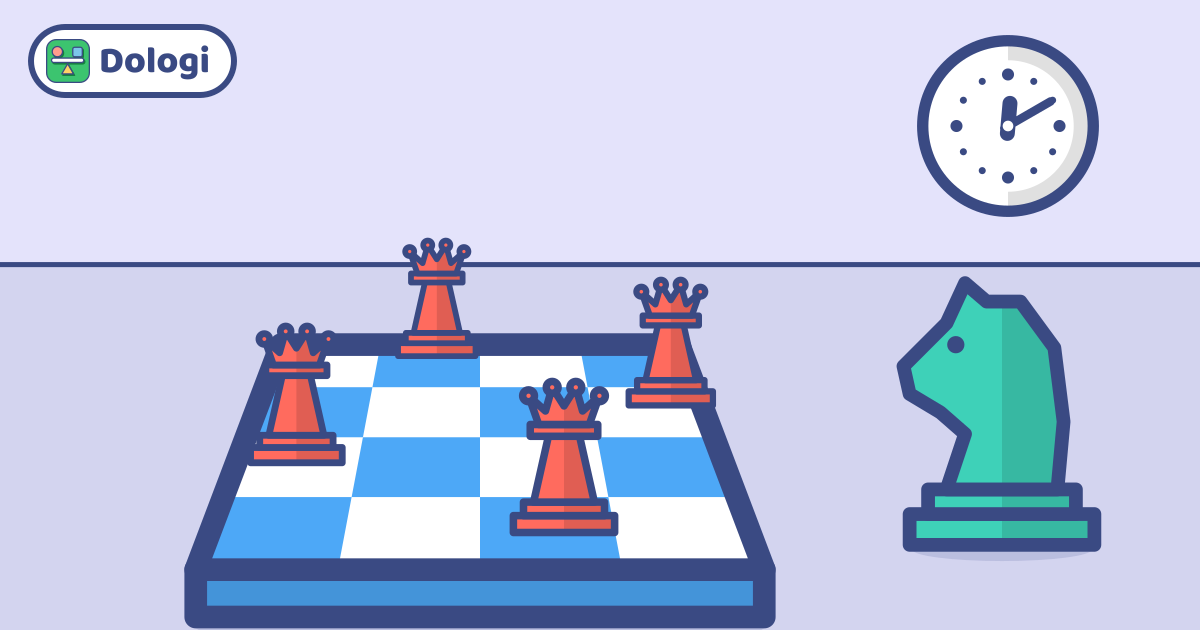
Vier Knobeleien, die ein Schachbrett nutzen, ohne dass eine Partie gespielt wird: einen Springer über alle Felder schicken, Damen aufstellen, die sich nicht schlagen können, mit einem Turm alle Bauern in möglichst wenigen Zügen abräumen und die kürzesten Wege eines Königs zählen. Jede Aufgabe beginnt auf einem kleinen Brett, dauert etwa zehn Minuten und kommt mit Tipps und geprüften Lösungen.
Ihr Kind kennt die Gangarten und kann Schach geben, aber in seinen Partien wird vor allem hin und her geschlagen? Dieser Artikel erklärt Gabel, Fesselung und Spieß mit je einem Bild aus dem Alltag und einem Diagramm, dazu ein Suchspiel für zu Hause und drei Aufgaben mit Lösungen.
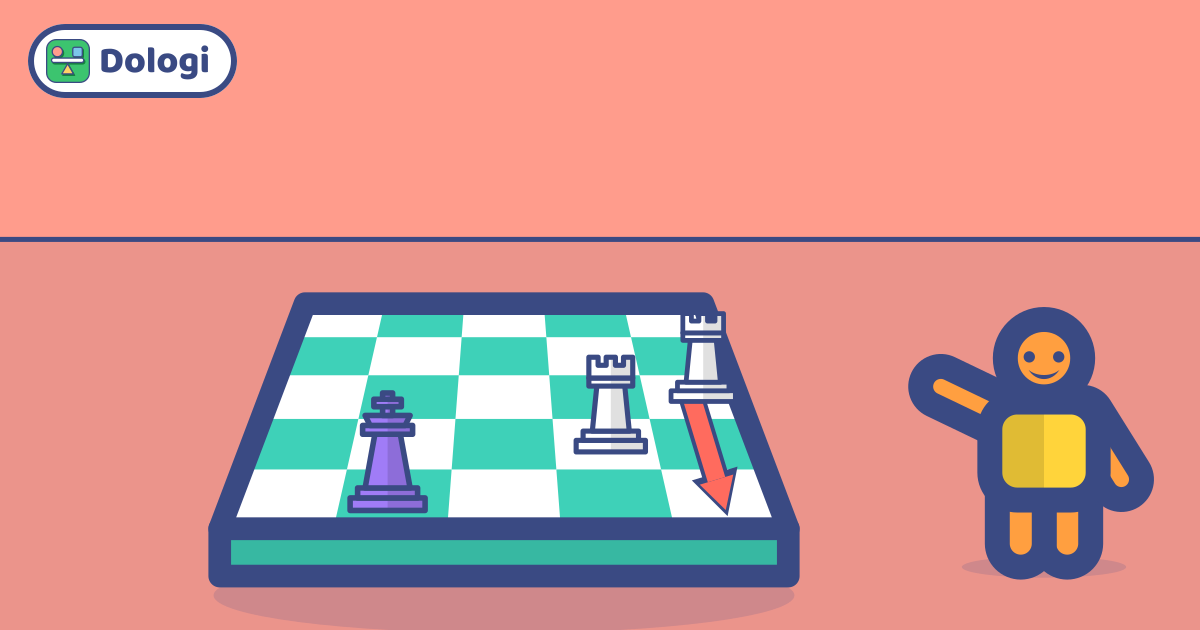
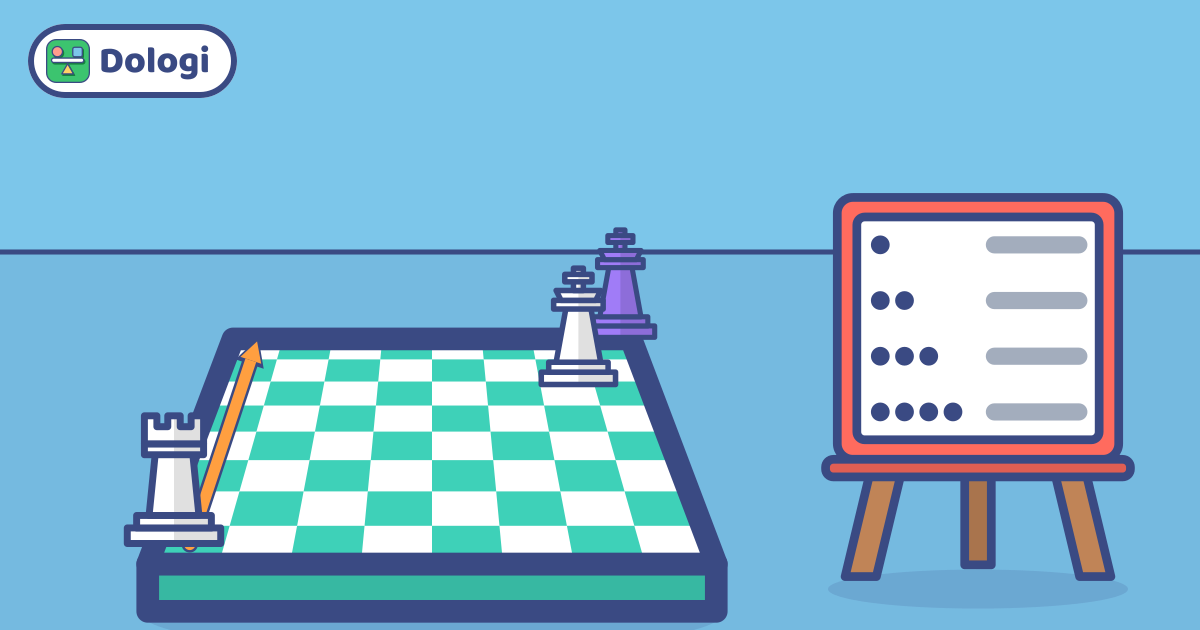
Viele Kinderpartien enden mit demselben Bild: Ein König sitzt hinter den eigenen Bauern fest, oder zwei Türme schieben ihn an den Rand. Dieser Artikel zeigt das Grundreihenmatt und das Treppenmatt mit zwei Türmen, wie man sich gegen das Grundreihenmatt schützt, sechs Übungsstellungen mit Lösungen und Ideen zum Üben zu Hause.
Eine Schachpartie verlangt vom Kind, lange aufmerksam zu sein, auf seinen Zug zu warten und das ganze Brett im Blick zu haben, nicht nur die eigenen Figuren. Was Schach für die Konzentration leisten kann und was nicht, warum Anfänger mitten in der Partie aufhören und welche kleinen Änderungen helfen, dass Ihr Kind ohne Druck dabeibleibt.
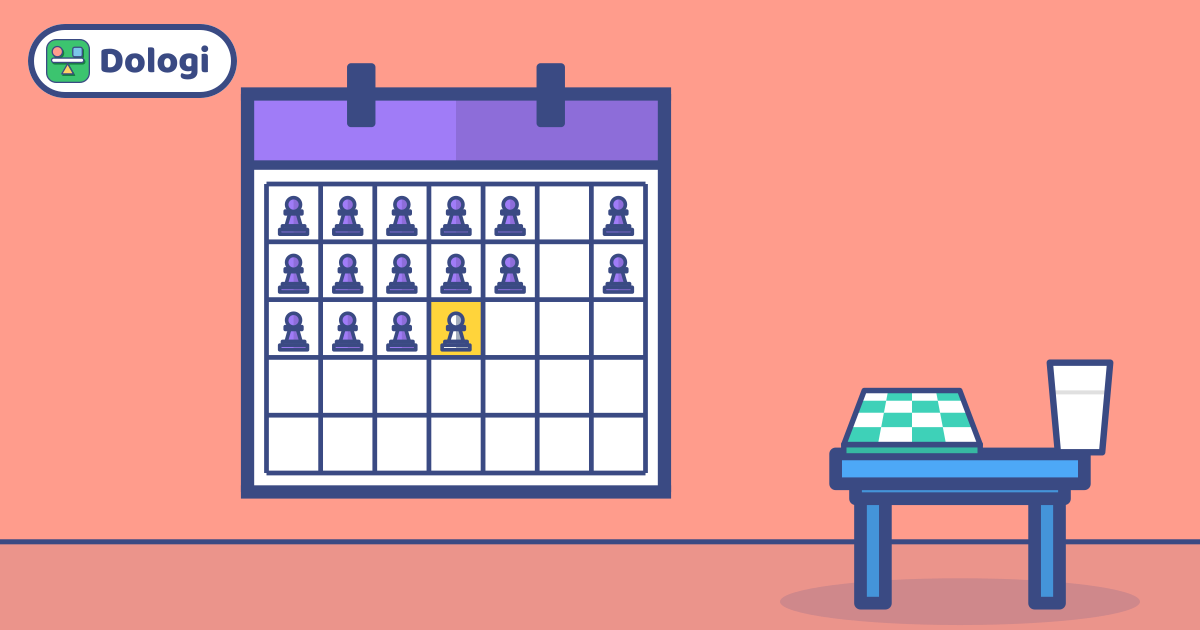
Wie Ihr Kind dranbleibt, jeden Tag eine Schachaufgabe in etwa fünf Minuten zu lösen: an eine feste Gewohnheit koppeln, den Schwierigkeitsgrad selbst wählen lassen, wie die fünf Minuten ablaufen, falsche Lösungen notieren und am nächsten Tag neu versuchen, und ein Kalender, den Ihr Kind selbst mit Bauern bemalt.
Wer eine Schachaufgabe baut, fängt am Ende an: erst das Matt, dann die Stellung, dann die Prüfung. So begleiten Sie Ihr Kind Schritt für Schritt, mit einem Beispiel zum Nachstellen und einem Rollentausch am Küchentisch.
Eine ehrliche Antwort: In einer Schachpartie üben Kinder, auf ihren Zug zu warten, erst zu denken und dann zu ziehen und bei Plänen zu bleiben, die mehrere Züge brauchen; ob diese Geduld auch anderswo wirkt, ist offen. Dazu ein paar Ideen direkt am Brett: Hände auf die Knie, im Kopf bis fünf zählen, im richtigen Moment loben.
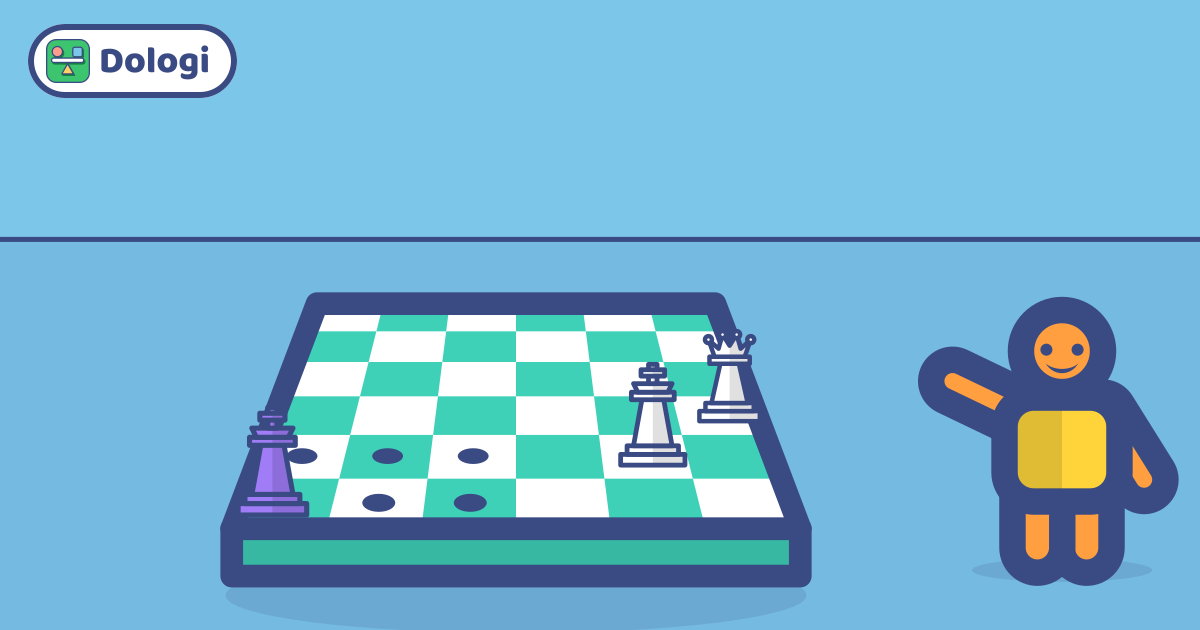
Ihr Kind hat eine Dame mehr, und trotzdem will die Partie nicht enden, oder sie endet Patt. Dieser Artikel zeigt die „Kiste“, in der die Dame den gegnerischen König einsperrt, den Weg zum Matt in drei Schritten, die Pattfalle, eine Aufgabe mit Lösung und eine Übungstabelle mit drei Stufen für zu Hause.
Kinder sehen auf dem Schachbrett oft nur ihren eigenen Plan und sind dann überrascht, wenn eine Figur verschwindet. Dieser Beitrag schlägt vor, nach jedem Zug zu fragen „Was wollte der andere mit diesem Zug?“, außerdem ein Spiel, bei dem das Brett mitten in der Partie gedreht wird, das Nacherzählen der Partie von der anderen Seite und Wege, diese Gewohnheit ins Spielen mit Freunden mitzunehmen.
Ihr Kind kennt die Gangarten aller Figuren, verliert aber schon in den ersten Zügen? Drei einfache Grundregeln für die Eröffnung, die typischen Anfängerfehler und ein Übungsspiel für zu Hause.