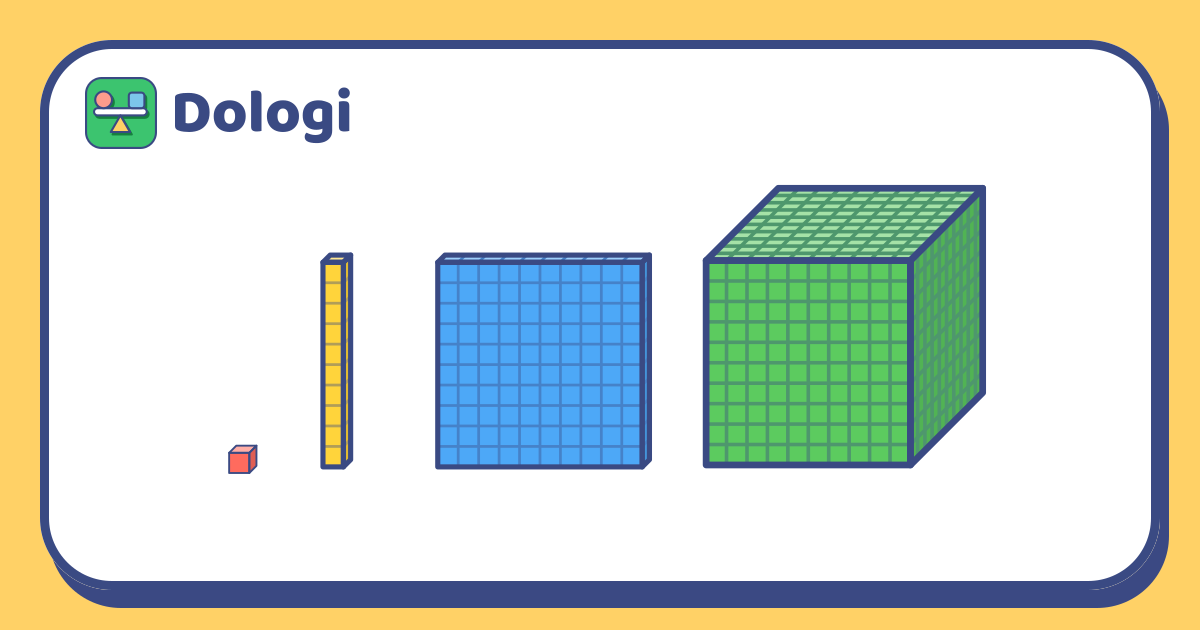
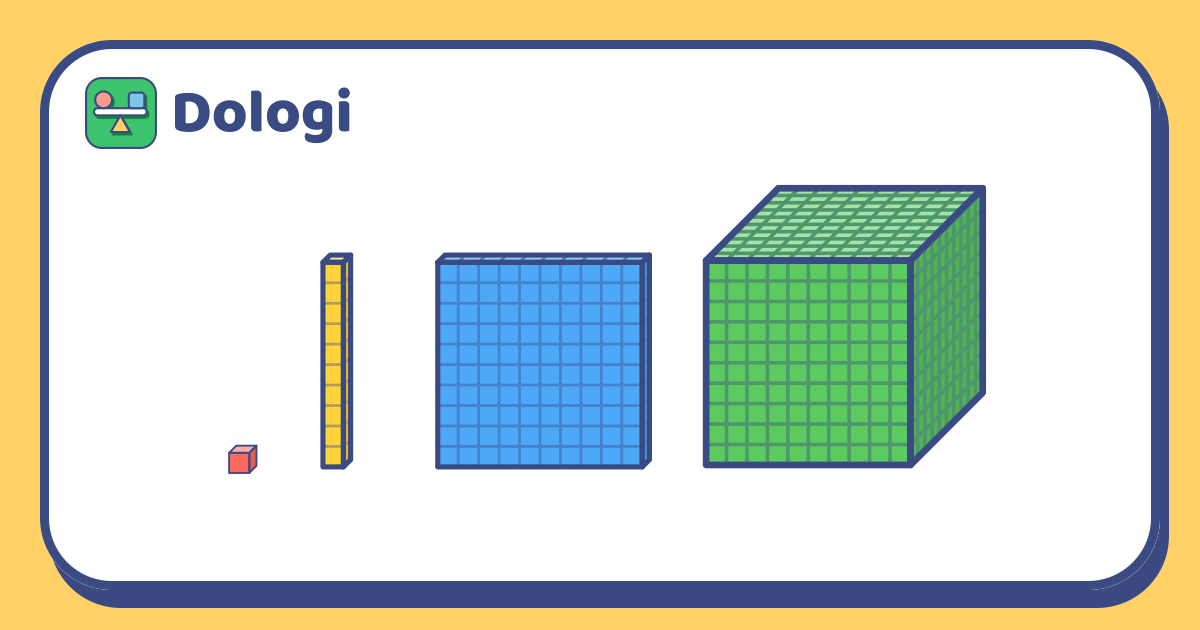
For young children, "a hundred", "a thousand" and "a million" all just mean "a lot". How groups of ten make big numbers visible, a family project to build a real thousand from beans or pasta, other ways to see and feel a thousand, and fun comparisons for older children.
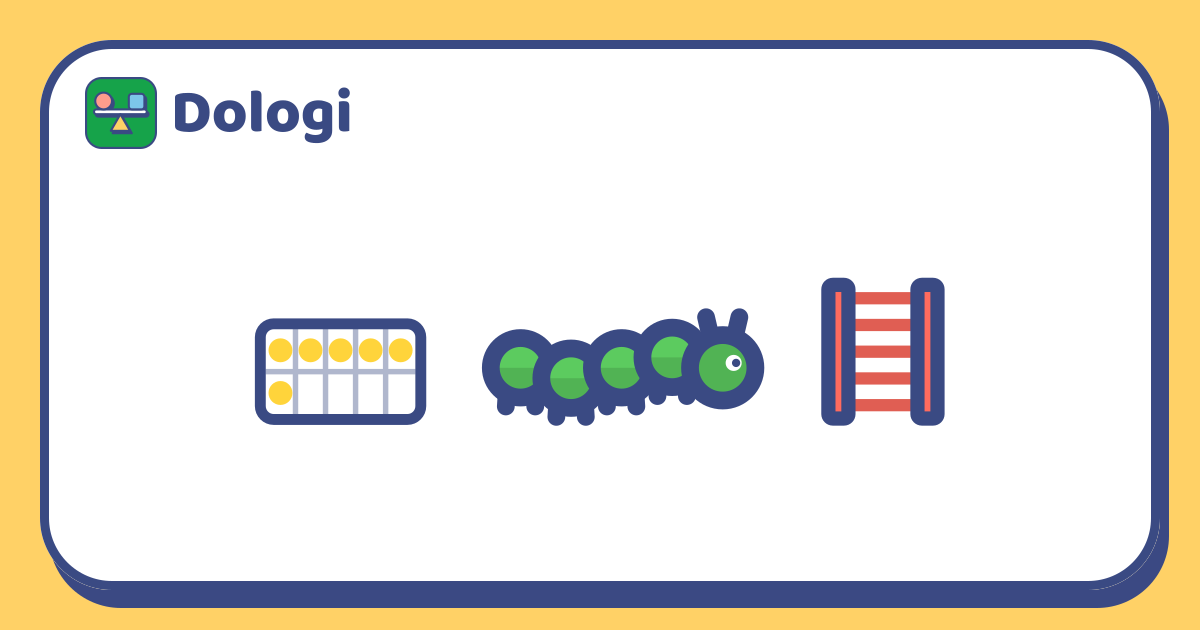
Saying "one, two, three…" in order is not the same as counting how many things there are. The difference between reciting and counting, signs that your child really understands, rough ages, the tricky spots, and simple games to help.
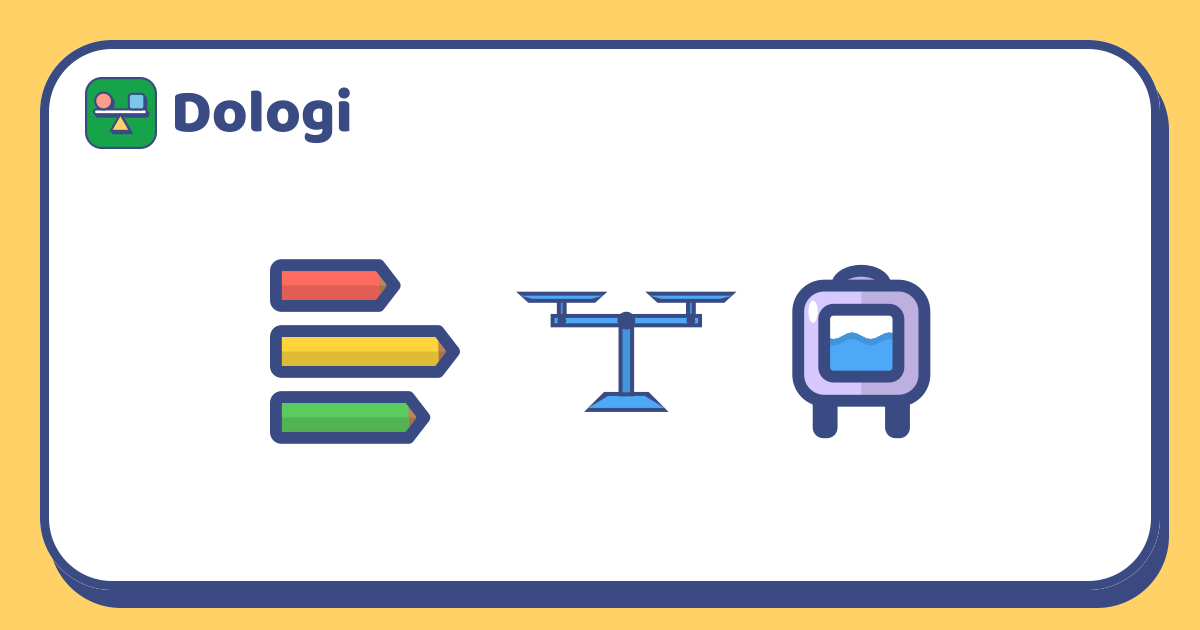
Before rulers and scales, children learn to measure by comparing, using hand spans, steps and cups. How length, weight and capacity develop, the common traps, and simple activities from ages 4 to 10.
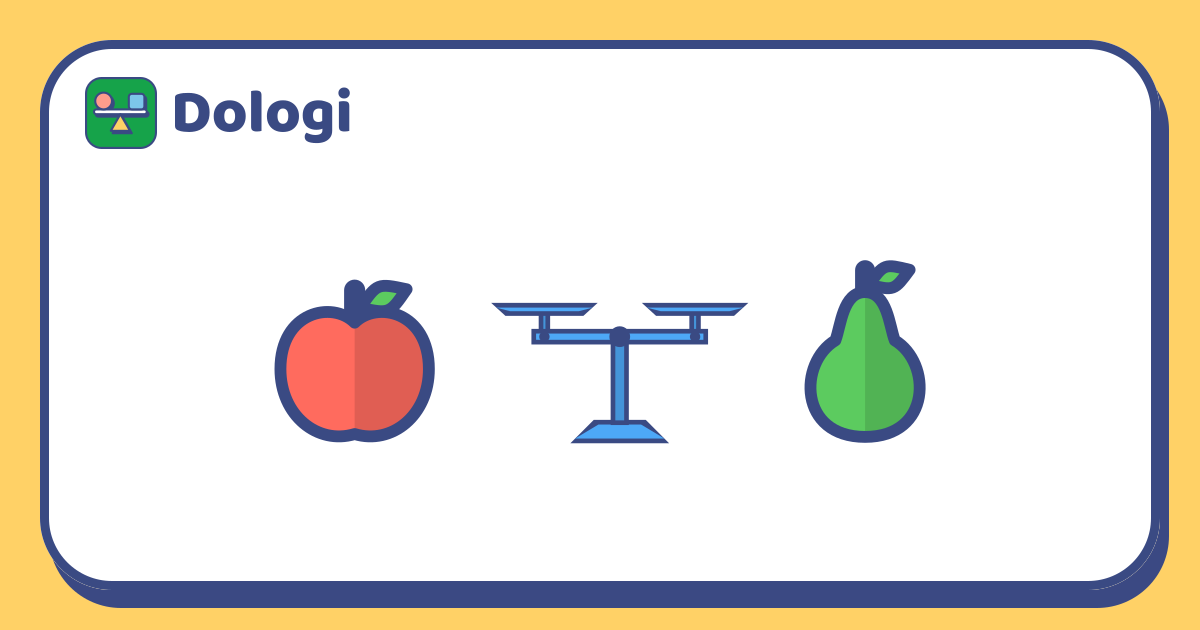
Before and alongside counting, children learn to tell which group has more. Matching one to one, lining things up, the "spread-out row" trap, counting to check, and why more things isn't always heavier.
Money is hard to understand when it's mostly invisible on cards and phones. How to make it concrete: recognising coins and notes, playing shop, saving in clear jars, and shopping together with a small budget.
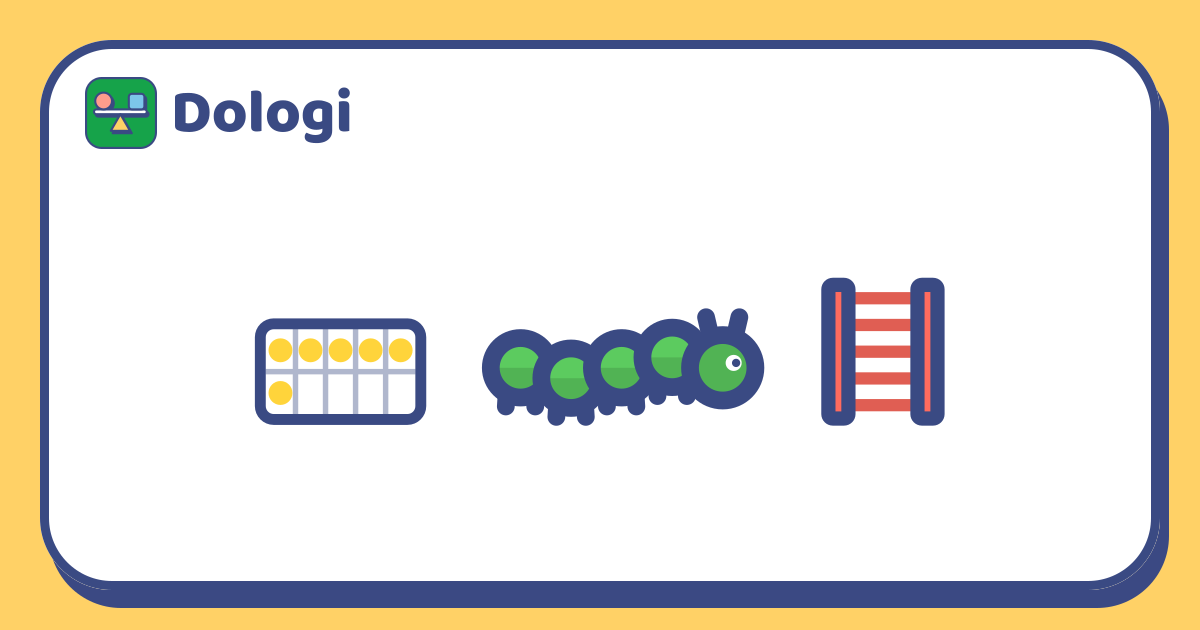
Counting on fingers is a normal step, not a bad habit. Why children do it, when it is time to move on, and simple games that help them see quantities at a glance and use what they already know.
Children do not need worksheets to start thinking mathematically. How meals, shopping and tidying up can become small math moments, with questions to ask at each age.
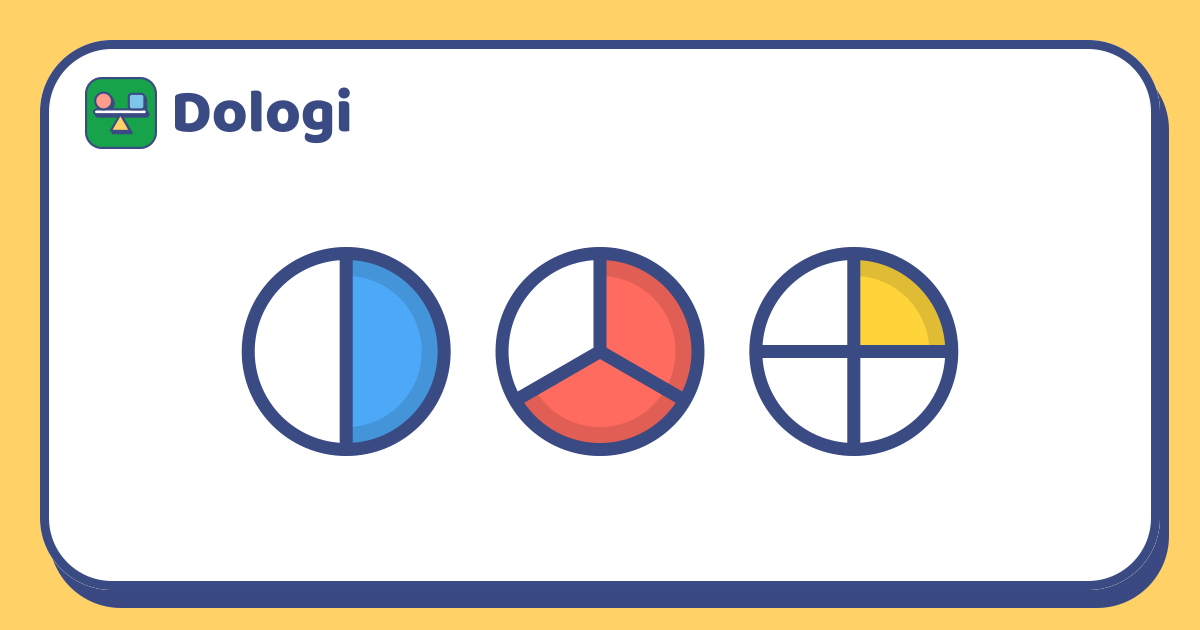
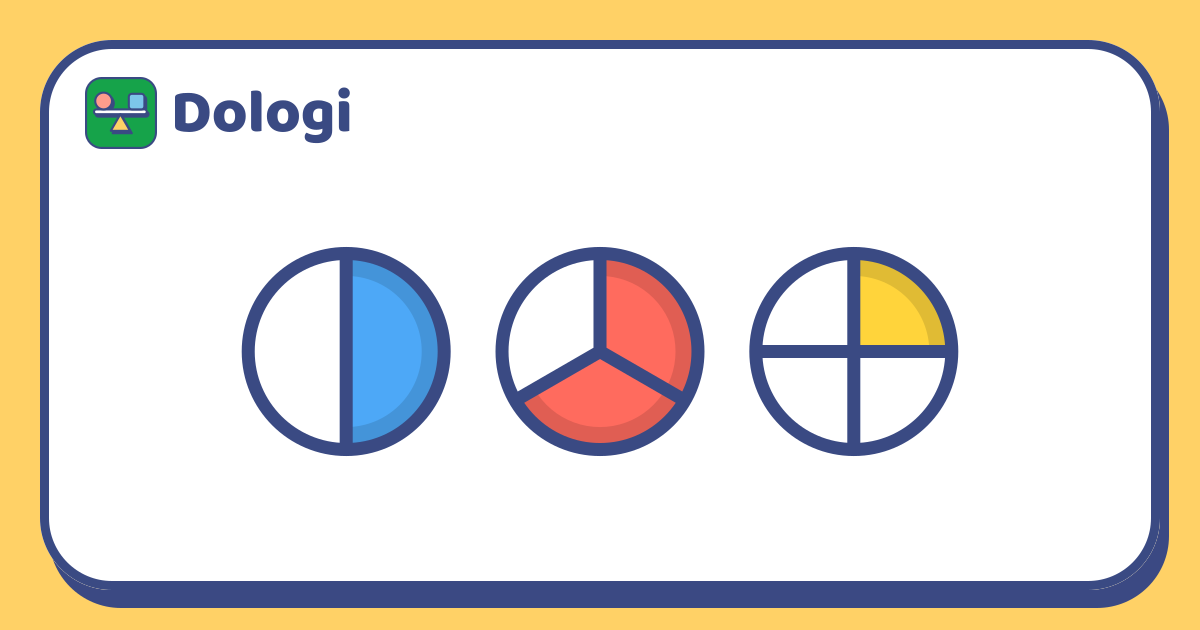
Fractions feel hard on paper but make sense at the table. What children need to understand first, the order to introduce ideas, kitchen activities and the most common mix-ups, for children around 6 to 10.
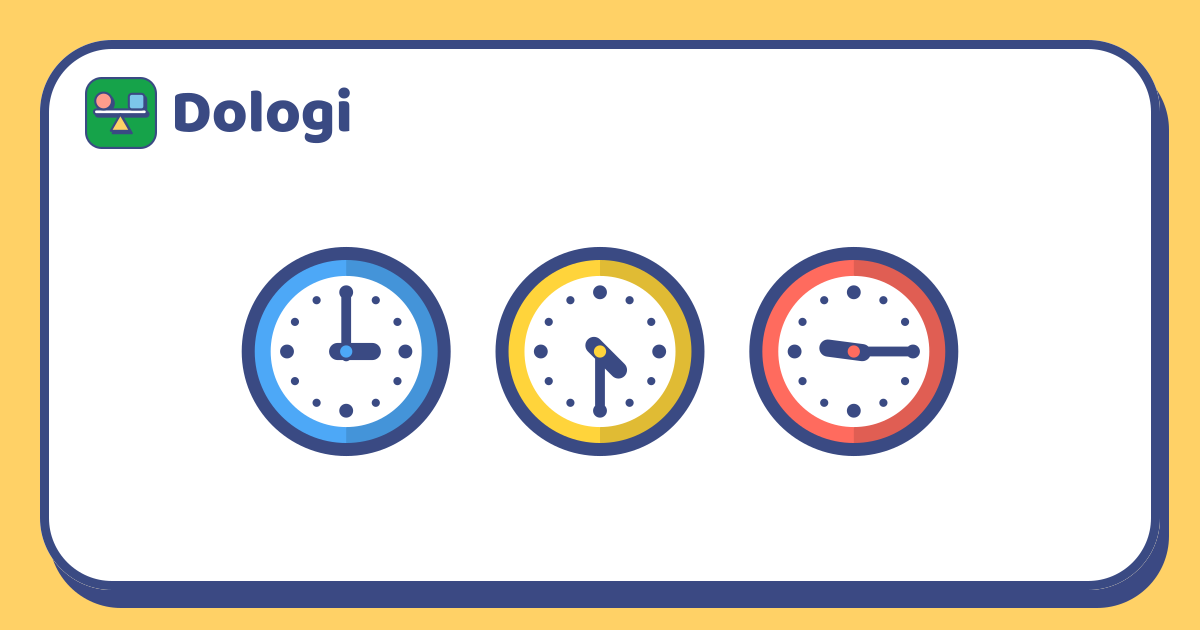
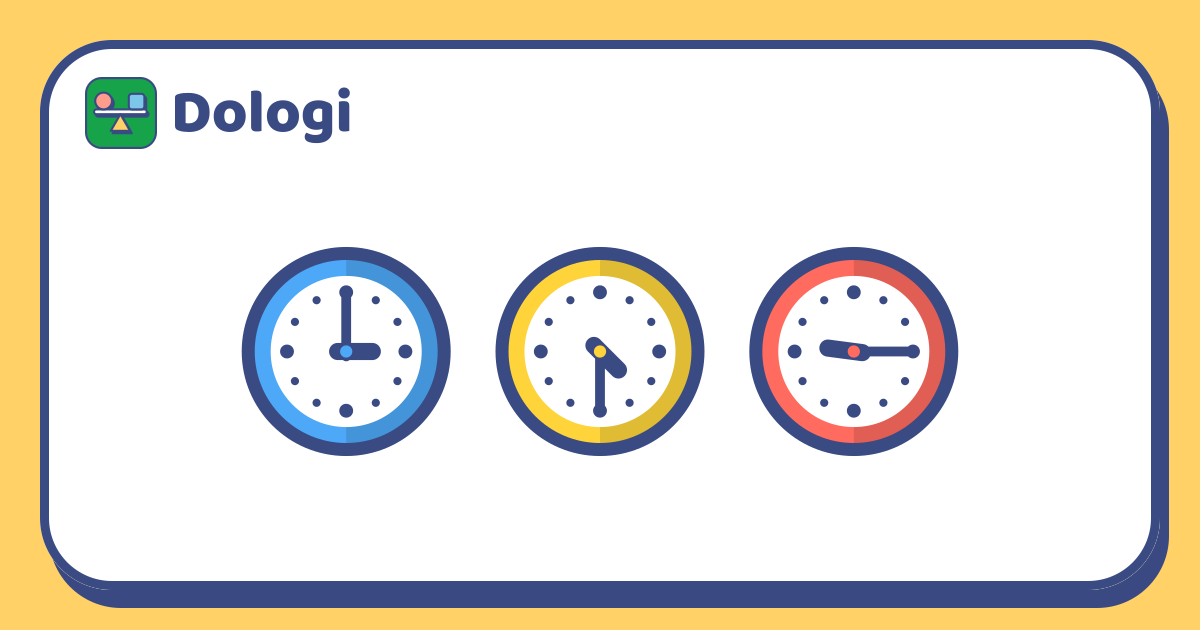
Reading a clock is easier when children first have a feel for time. Steps that build on each other, from the order of the day to minutes, with homemade activities and the most common mix-ups.
Mathematical thinking is about understanding why, not only knowing how. What it means, how it fits with school math, questions to ask before signing up for classes, and simple ways to build it at home.
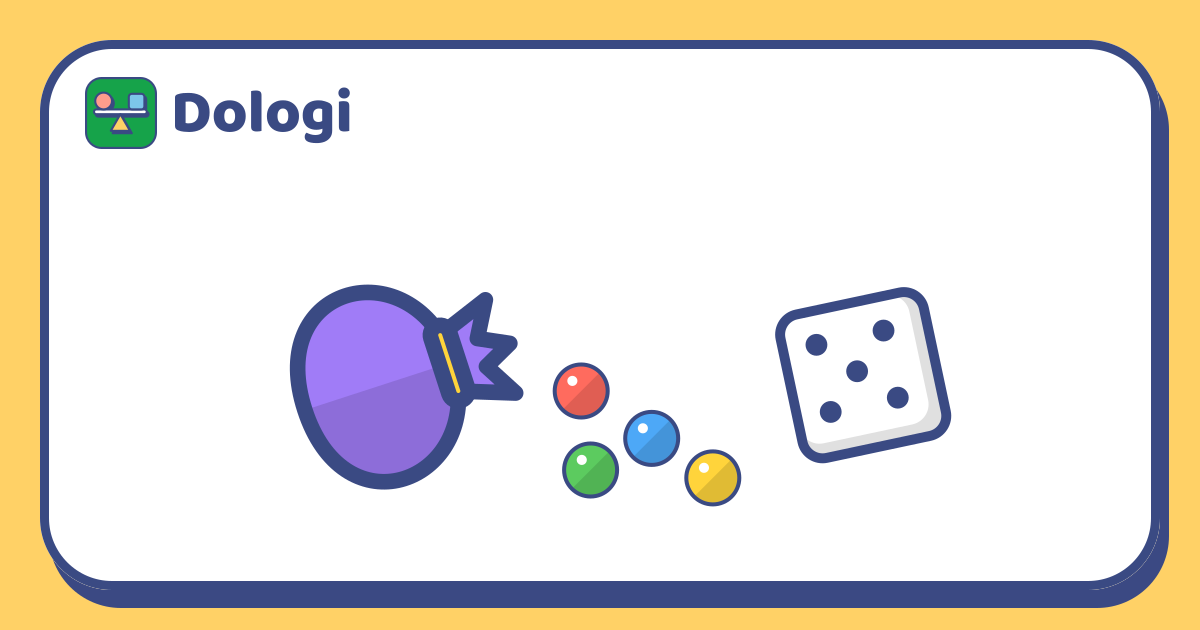
Trẻ có thể bắt đầu nghĩ về khả năng xảy ra từ rất lâu trước khi học phân số. Ba từ đơn giản để dùng, trò bốc bi trong túi, xếp loại các sự việc hằng ngày, gieo xúc xắc, và vòng quay giấy giúp trẻ lớn làm quen với "dễ xảy ra" và "khó xảy ra".
Trước và song song với việc đếm, trẻ học cách nhận ra nhóm nào nhiều hơn. Ghép một đổi một, xếp thành hàng, cái bẫy "hàng dàn rộng", đếm để kiểm tra, và vì sao nhiều hơn chưa chắc đã nặng hơn.
Trước khi biết dùng thước và cân, trẻ học đo bằng cách so sánh, bằng gang tay, bước chân và cái cốc. Trẻ học đo độ dài, cân nặng, dung tích ra sao, những cái bẫy hay gặp, và hoạt động đơn giản cho trẻ 4 đến 10 tuổi.
Tiền khó hiểu khi phần lớn chỉ là cái chạm thẻ hay quét mã trên điện thoại. Cách giúp con thấy tiền cụ thể hơn: nhận biết tờ tiền, chơi bán hàng, tiết kiệm trong hũ trong suốt, và đi chợ cùng con với một khoản nhỏ.
Đọc "một, hai, ba…" theo thứ tự khác với đếm xem có bao nhiêu đồ vật. Phân biệt đếm thuộc lòng và đếm hiểu, dấu hiệu con thật sự hiểu, độ tuổi ước chừng, những chỗ hay vấp, và trò chơi đơn giản để tập.
Đếm ngón tay là một bước bình thường, không phải thói quen xấu. Vì sao trẻ làm vậy, khi nào nên giới thiệu cách mới, và những trò chơi đơn giản giúp con nhìn là thấy số lượng, biết dùng điều mình đã biết.
Học xem đồng hồ dễ hơn khi trẻ đã có cảm nhận về thời gian. Các bước nối tiếp nhau, từ thứ tự trong ngày đến từng phút, kèm hoạt động tự làm ở nhà và những chỗ trẻ hay nhầm.
Phân số khó trên giấy nhưng dễ hiểu ở bàn ăn. Những điều trẻ cần hiểu trước, thứ tự giới thiệu từng ý, hoạt động trong bếp và những chỗ trẻ hay nhầm, cho trẻ khoảng 6 đến 10 tuổi.
Trẻ không cần phiếu bài tập để bắt đầu tư duy toán học. Bữa ăn, đi chợ và dọn dẹp có thể trở thành những khoảnh khắc toán học nhỏ, kèm câu hỏi gợi ý theo từng độ tuổi.
Toán tư duy là hiểu vì sao, không chỉ biết làm thế nào. Bài viết giải thích khái niệm này bằng lời dễ hiểu, cách nó đi cùng toán ở trường, những câu hỏi nên tự đặt trước khi cho con đi học thêm và cách rèn ngay tại nhà.
Los niños pueden empezar a pensar en el azar mucho antes de conocer las fracciones. Tres palabras sencillas, un juego con una bolsa de canicas, clasificar sucesos cotidianos, tirar un dado y ruletas de papel que presentan lo "probable" y lo "poco probable" a los mayores.
Decir "uno, dos, tres…" en orden no es lo mismo que contar cuántas cosas hay. La diferencia entre recitar y contar, señales de que tu hijo lo entiende de verdad, edades aproximadas, los puntos difíciles y juegos sencillos para ayudar.
El dinero cuesta de entender cuando casi siempre es invisible en tarjetas y móviles. Cómo hacerlo concreto: reconocer monedas y billetes, jugar a las tiendas, ahorrar en un bote transparente e ir de compras con un pequeño presupuesto.
Antes de la regla y la báscula, los niños aprenden a medir comparando, con palmos, pasos y vasos. Cómo se desarrollan la longitud, el peso y la capacidad, las trampas habituales y actividades sencillas de los 4 a los 10 años.
Antes de contar, y mientras aprenden a hacerlo, los niños aprenden a ver qué grupo tiene más. Emparejar uno a uno, poner en fila, la trampa de la "fila estirada", contar para comprobar y por qué más cosas no siempre pesan más.
Contar con los dedos es un paso normal, no un mal hábito. Por qué lo hacen los niños, cuándo conviene ofrecer algo nuevo y juegos sencillos para ver cantidades de un vistazo y usar lo que ya saben.
Leer el reloj es más fácil cuando el niño ya tiene una idea del tiempo. Pasos que se apoyan unos en otros, desde el orden del día hasta los minutos, con actividades caseras y las confusiones más habituales.
Las fracciones parecen difíciles en el papel pero tienen sentido en la mesa. Lo que los niños necesitan entender primero, el orden para presentar las ideas, actividades en la cocina y las confusiones más habituales, para niños de unos 6 a 10 años.
Los niños no necesitan fichas para empezar a pensar con números. Cómo las comidas, la compra y el orden pueden convertirse en pequeños momentos de matemáticas, con preguntas para cada edad.
El razonamiento matemático consiste en entender por qué, no solo saber cómo. Qué significa, cómo encaja con las matemáticas del colegio, preguntas que hacerse antes de apuntarlo a clases y formas sencillas de desarrollarlo en casa.
Bagi anak kecil, "seratus", "seribu", dan "sejuta" sama-sama berarti "banyak sekali". Bagaimana kelompok sepuluh membuat bilangan besar terlihat, proyek keluarga untuk mengumpulkan seribu sungguhan dari kacang atau makaroni, cara lain untuk melihat dan merasakan seribu, serta perbandingan seru untuk anak yang lebih besar.
Menyebut "satu, dua, tiga…" berurutan tidak sama dengan menghitung berapa banyak benda. Perbedaan menghafal dan menghitung, tanda anak benar-benar paham, perkiraan usia, bagian yang sering membuat tersandung, dan permainan sederhana untuk membantu.
Sebelum dan sambil belajar berhitung, anak belajar melihat kelompok mana yang lebih banyak. Memasangkan satu-satu, menyusun berjajar, jebakan "barisan yang direnggangkan", menghitung untuk memeriksa, dan mengapa lebih banyak belum tentu lebih berat.
Sebelum mengenal penggaris dan timbangan, anak belajar mengukur dengan membandingkan, memakai jengkal, langkah, dan gelas. Bagaimana pemahaman panjang, berat, dan isi berkembang, jebakan yang umum, dan kegiatan sederhana untuk usia 4 sampai 10 tahun.
Uang sulit dipahami kalau kebanyakan hanya berupa kartu atau pindai kode di ponsel. Cara membuatnya nyata: mengenal koin dan uang kertas, main jual-beli, menabung di toples bening, dan berbelanja bersama dengan anggaran kecil.
Berhitung dengan jari adalah tahap yang wajar, bukan kebiasaan buruk. Mengapa anak melakukannya, kapan saatnya menawarkan cara baru, dan permainan sederhana untuk melihat jumlah sekilas serta memakai apa yang sudah diketahui.
Berpikir matematis berarti memahami mengapa, bukan hanya tahu caranya. Apa artinya, bagaimana kaitannya dengan matematika di sekolah, pertanyaan yang perlu diajukan sebelum mendaftarkan les, dan cara sederhana melatihnya di rumah.
Anak tidak perlu lembar kerja untuk mulai berpikir matematis. Cara waktu makan, belanja, dan beres-beres menjadi momen matematika kecil, lengkap dengan pertanyaan untuk tiap usia.
Membaca jam lebih mudah jika anak sudah punya rasa tentang waktu. Langkah-langkah yang saling menyambung, dari urutan kegiatan sehari sampai menit, dengan kegiatan buatan sendiri dan kekeliruan yang paling sering terjadi.
Pecahan terasa sulit di kertas tetapi masuk akal di meja makan. Hal yang perlu dipahami anak lebih dulu, urutan memperkenalkan konsep, kegiatan di dapur, dan kekeliruan yang paling sering, untuk anak sekitar 6 sampai 10 tahun.
A criança pode começar a pensar em chances muito antes de conhecer frações. Três palavras simples, uma brincadeira com um saquinho de bolinhas de gude, separar acontecimentos do dia a dia, jogar um dado e roletas de papel que apresentam o "provável" e o "pouco provável" para os maiores.
Falar "um, dois, três…" em ordem não é o mesmo que contar quantas coisas existem. A diferença entre recitar e contar, sinais de que a criança entende de verdade, idades aproximadas, os pontos difíceis e brincadeiras simples para ajudar.
Antes da régua e da balança, a criança aprende a medir comparando, com palmos, passos e copos. Como se desenvolvem comprimento, peso e capacidade, as armadilhas comuns e atividades simples dos 4 aos 10 anos.
O dinheiro é difícil de entender quando quase sempre é invisível, no cartão ou no celular. Como deixá-lo concreto: reconhecer moedas e cédulas, brincar de lojinha, poupar num pote transparente e fazer compras juntos com um pequeno orçamento.
Antes de contar, e enquanto aprende a contar, a criança aprende a ver qual grupo tem mais. Fazer pares um a um, enfileirar, a armadilha da "fileira esticada", contar para conferir e por que mais coisas nem sempre pesam mais.
Contar nos dedos é uma etapa normal, não um mau hábito. Por que as crianças fazem isso, quando vale oferecer algo novo e brincadeiras simples para enxergar quantidades de relance e usar o que já sabem.
Ler o relógio fica mais fácil quando a criança já tem noção do tempo. Etapas que se apoiam umas nas outras, da ordem do dia aos minutos, com atividades caseiras e as confusões mais comuns.
Frações parecem difíceis no papel, mas fazem sentido à mesa. O que a criança precisa entender primeiro, a ordem para apresentar as ideias, atividades na cozinha e as confusões mais comuns, para crianças de uns 6 a 10 anos.
A criança não precisa de folhinha de exercícios para começar a pensar com números. Como refeições, compras e arrumação viram pequenos momentos de matemática, com perguntas para cada idade.
Raciocínio matemático é entender o porquê, não só saber o como. O que significa, como se encaixa na matemática da escola, perguntas para fazer antes de matricular a criança em aulas e jeitos simples de desenvolvê-lo em casa.
Les suites de nombres aident l'enfant à voir que les nombres suivent des règles. Comment explorer pairs et impairs en formant des paires, compter par bonds avec des sauts et des claps, colorier des motifs sur un tableau de nombres et jouer à « quel nombre vient après ? », des pas simples aux règles inventées par l'enfant.
Avant la règle et la balance, l'enfant apprend à mesurer en comparant, avec des empans, des pas et des verres. Comment se construisent les notions de longueur, de masse et de contenance, les pièges courants et des activités simples de 4 à 10 ans.
L'argent est difficile à comprendre quand il est presque toujours invisible, dans une carte ou un téléphone. Comment le rendre concret : reconnaître pièces et billets, jouer à la marchande, économiser dans un bocal transparent et faire les courses avec un petit budget.
Dire « un, deux, trois… » dans l'ordre n'est pas la même chose que compter combien il y a d'objets. La différence entre réciter et dénombrer, les signes que votre enfant comprend vraiment, des âges approximatifs, les passages difficiles et des jeux simples pour l'aider.
Avant de savoir compter, et pendant qu'il apprend, l'enfant apprend à voir quel groupe en a le plus. Associer un à un, aligner, le piège de la « rangée étalée », compter pour vérifier, et pourquoi plus d'objets ne veut pas toujours dire plus lourd.
Lire l'heure est plus facile quand l'enfant a déjà une idée du temps. Des étapes qui s'enchaînent, de l'ordre de la journée aux minutes, avec des activités faites maison et les confusions les plus fréquentes.
Compter sur ses doigts est une étape normale, pas une mauvaise habitude. Pourquoi les enfants le font, quand proposer autre chose, et des jeux simples pour voir les quantités d'un coup d'œil et s'appuyer sur ce qu'ils savent déjà.
Les fractions semblent difficiles sur le papier mais prennent sens à table. Ce que l'enfant doit comprendre d'abord, l'ordre pour présenter les notions, des activités en cuisine et les confusions les plus fréquentes, pour les enfants d'environ 6 à 10 ans.
Pas besoin de fiches d'exercices pour commencer à penser avec les nombres. Comment les repas, les courses et le rangement deviennent de petits moments de maths, avec des questions adaptées à chaque âge.
Le raisonnement mathématique, c'est comprendre pourquoi, pas seulement savoir comment. Ce que cela veut dire, comment cela s'articule avec les maths de l'école, les questions à se poser avant d'inscrire son enfant à des cours et des idées simples pour le développer à la maison.
Zahlenmuster helfen Kindern zu sehen, dass Zahlen Regeln folgen. Wie Sie gerade und ungerade mit Paaren entdecken, mit Hüpfern und Klatschen in Schritten zählen, Muster auf einer Zahlentafel ausmalen und „Welche Zahl kommt als Nächstes?“ spielen, von einfachen Schritten bis zu Regeln, die Ihr Kind selbst erfindet.
Geld ist schwer zu verstehen, wenn es meist unsichtbar auf Karte oder Handy bleibt. So wird es greifbar: Münzen und Scheine erkennen, Kaufladen spielen, im durchsichtigen Glas sparen und mit kleinem Budget gemeinsam einkaufen.
Schon bevor Kinder zählen können, und während sie es lernen, erkennen sie, welche Gruppe mehr hat. Eins-zu-eins zuordnen, in Reihen legen, die Falle der „auseinandergezogenen Reihe“, zum Prüfen zählen, und warum mehr Dinge nicht immer schwerer sind.
Bevor sie Lineal und Waage kennen, lernen Kinder das Messen durch Vergleichen, mit Handspannen, Schritten und Bechern. Wie sich Länge, Gewicht und Fassungsvermögen entwickeln, typische Fallen und einfache Aktivitäten für 4- bis 10-Jährige.
„Eins, zwei, drei…“ der Reihe nach aufzusagen, ist nicht dasselbe, wie zu zählen, wie viele Dinge es sind. Der Unterschied zwischen Aufsagen und Abzählen, Zeichen echten Verständnisses, ungefähre Altersangaben, typische Stolpersteine und einfache Spiele.
Brüche wirken auf dem Papier schwierig, am Esstisch aber leuchten sie ein. Was Kinder zuerst verstehen sollten, in welcher Reihenfolge Sie Ideen einführen, Küchenideen und die häufigsten Verwechslungen, für Kinder von etwa 6 bis 10 Jahren.
Die Uhr zu lesen fällt leichter, wenn Kinder schon ein Gefühl für Zeit haben. Schritte, die aufeinander aufbauen, vom Tagesablauf bis zu den Minuten, mit Ideen zum Selbermachen und den häufigsten Verwechslungen.
Kinder brauchen keine Arbeitsblätter, um mathematisch zu denken. Wie Mahlzeiten, Einkaufen und Aufräumen zu kleinen Mathe-Momenten werden, mit Fragen für jedes Alter.
Mit den Fingern zu rechnen ist eine normale Phase, keine schlechte Angewohnheit. Warum Kinder es tun, wann es Zeit für neue Wege ist und einfache Spiele, mit denen sie Mengen auf einen Blick erkennen und Bekanntes nutzen.
Mathematisches Denken heißt verstehen, warum etwas so ist, nicht nur wissen, wie es geht. Was das bedeutet, wie es zur Schulmathematik passt, welche Fragen Sie sich vor der Anmeldung zu Kursen stellen können und einfache Ideen für zu Hause.