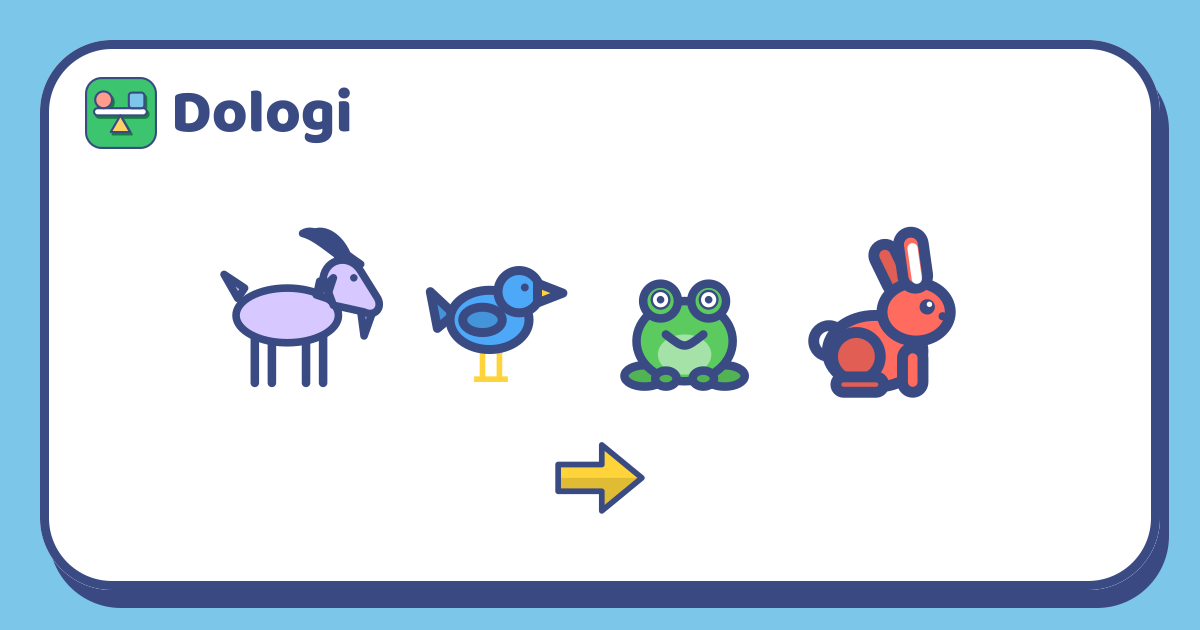
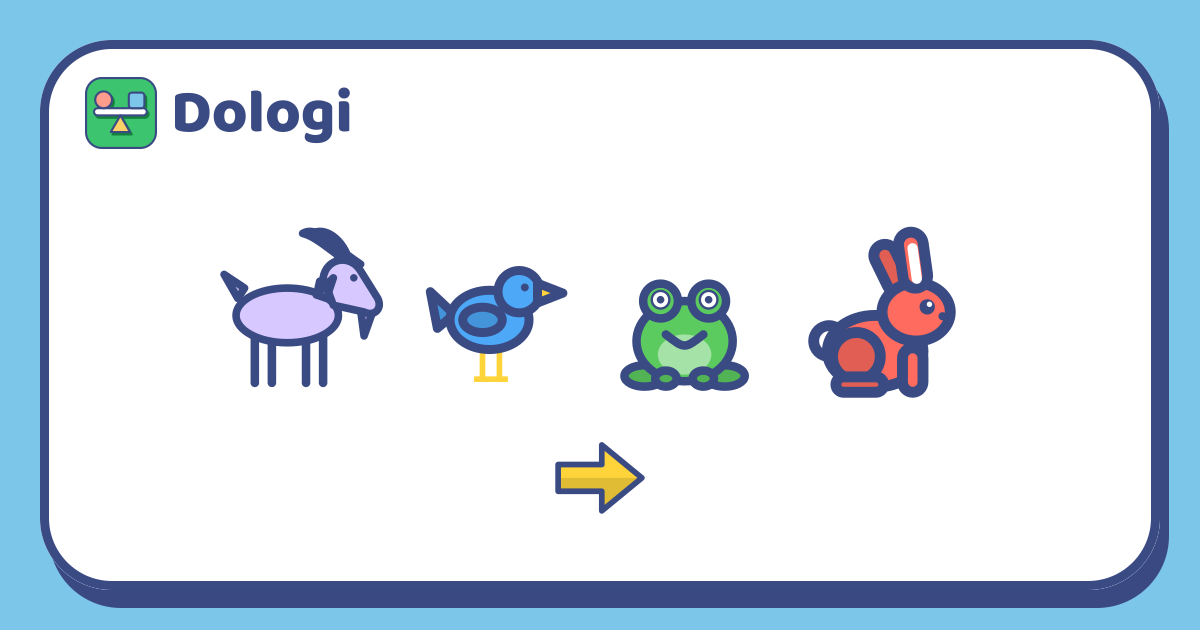
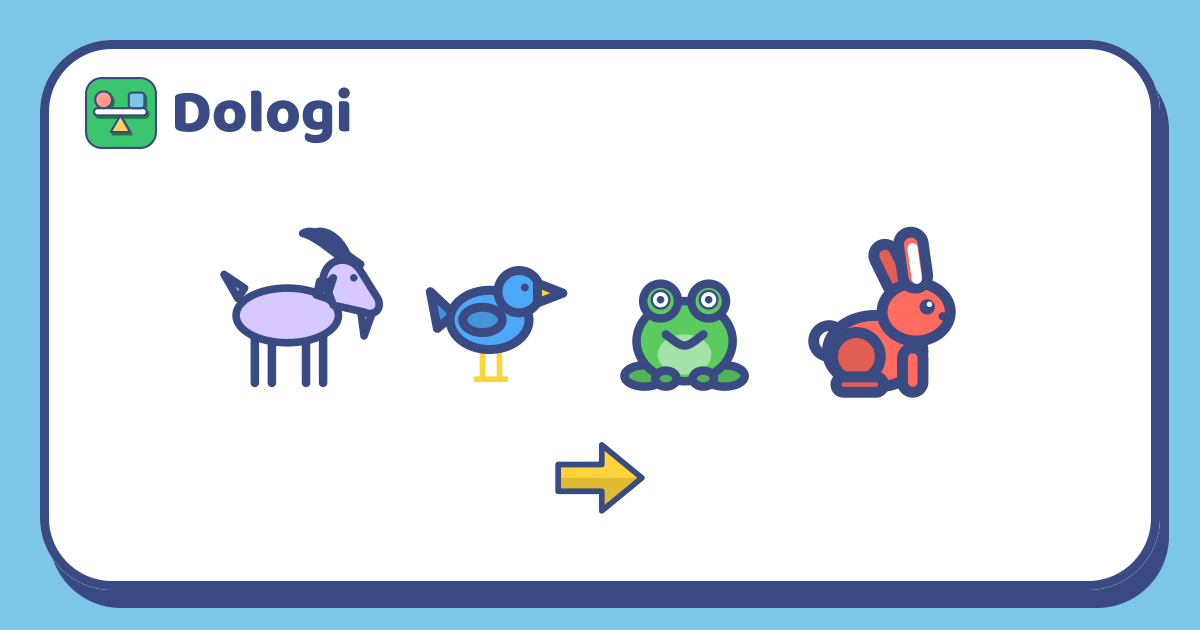
With a few clues like "the rabbit is behind the cat", children can work out the order of a whole line. How to play with toys, the position words children need, which clue to start with, how to check every clue at the end, and how to tell when a puzzle needs one more clue.
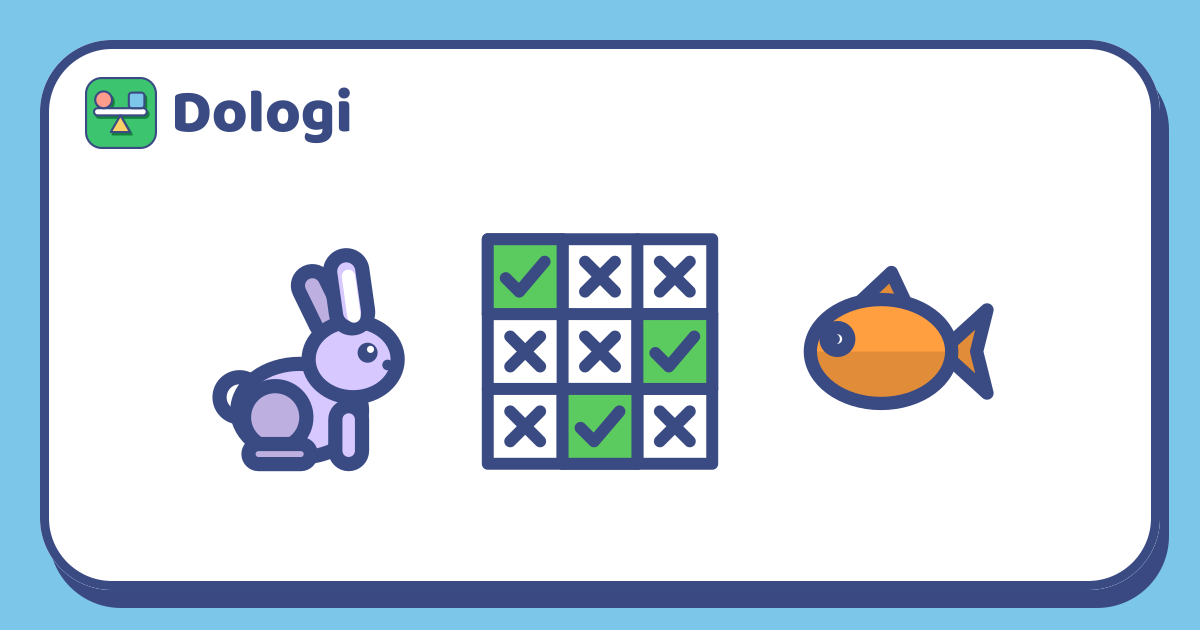
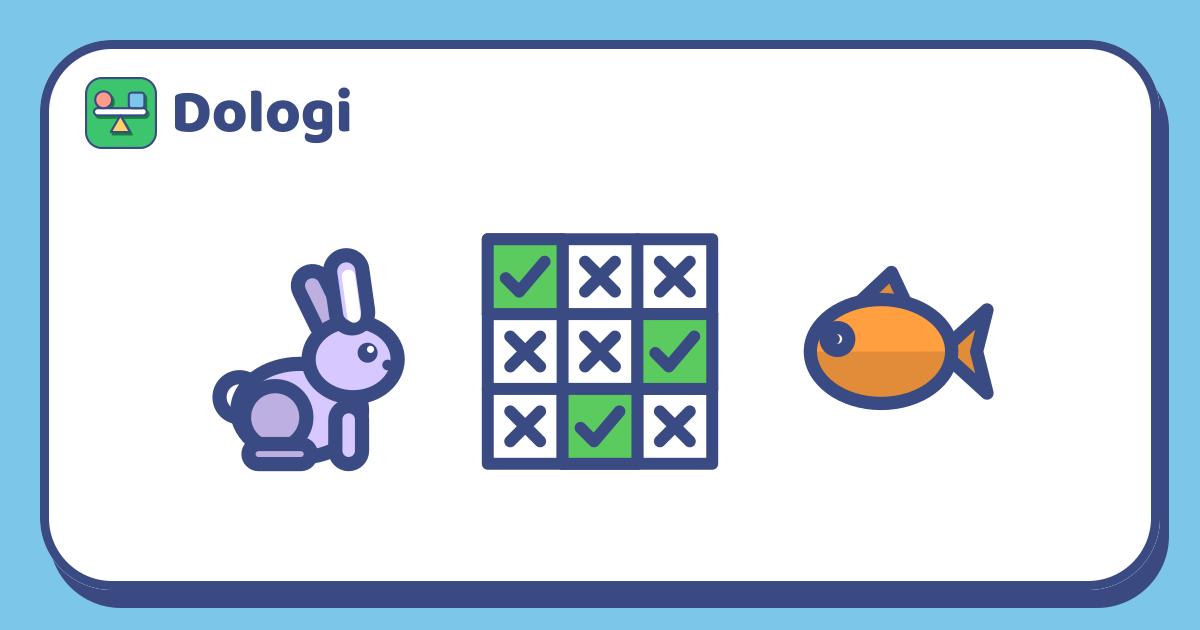
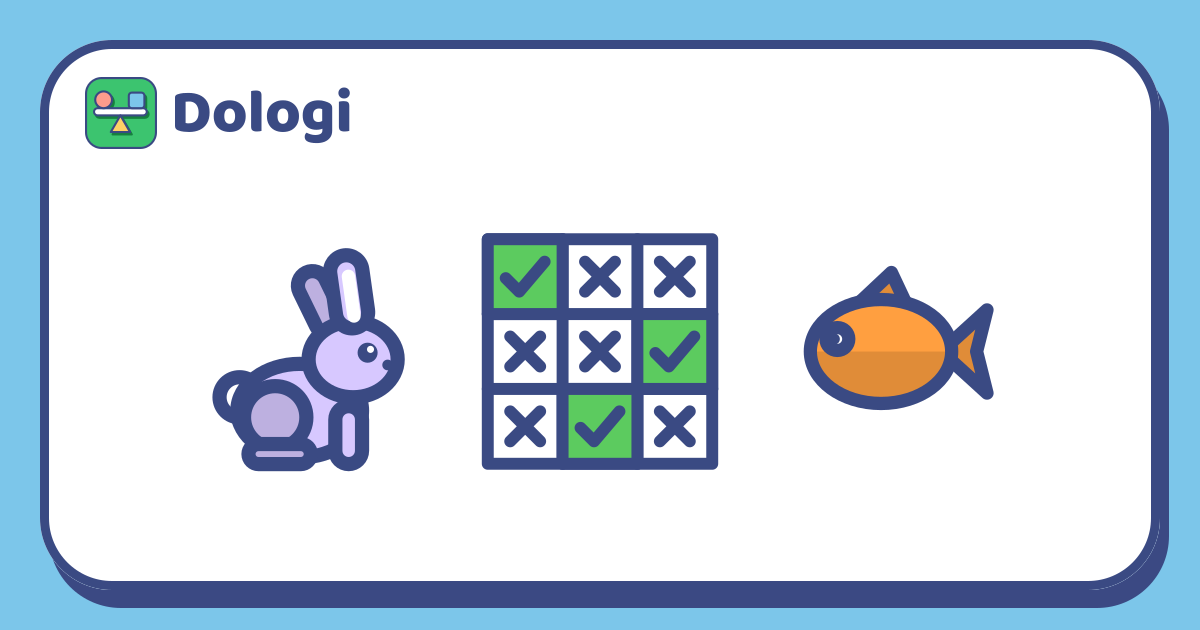
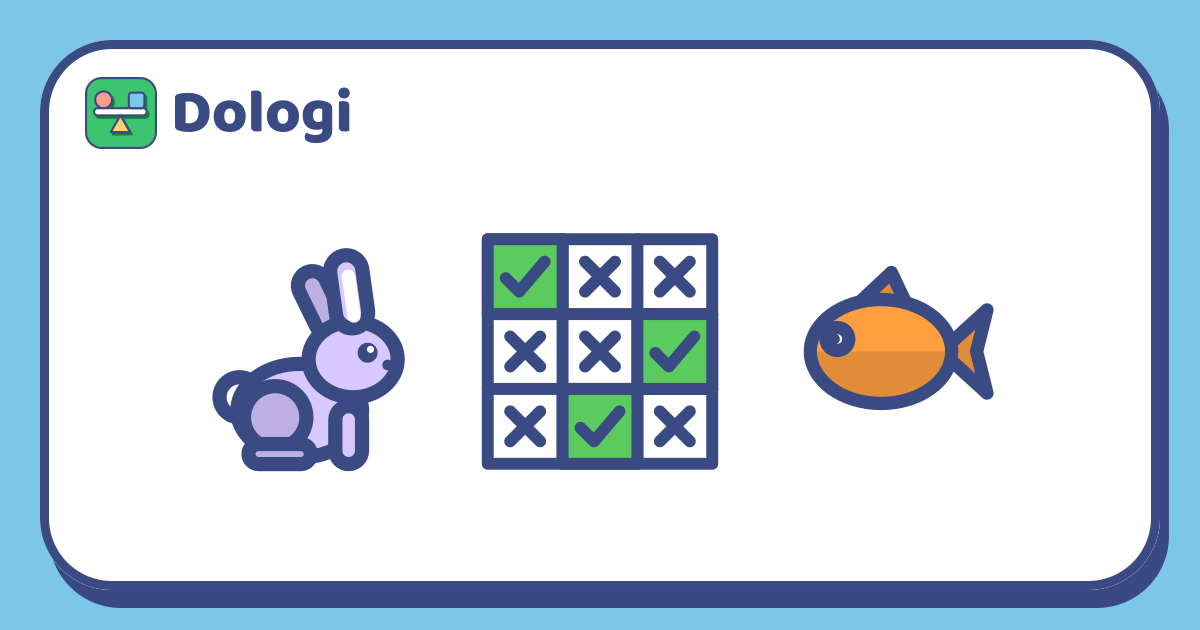
Three children, three pets, a few clues and a grid of ticks and crosses. How logic grid puzzles work, a first puzzle solved step by step, a second one to try, how to make your own, and how to adapt them for younger and older children.
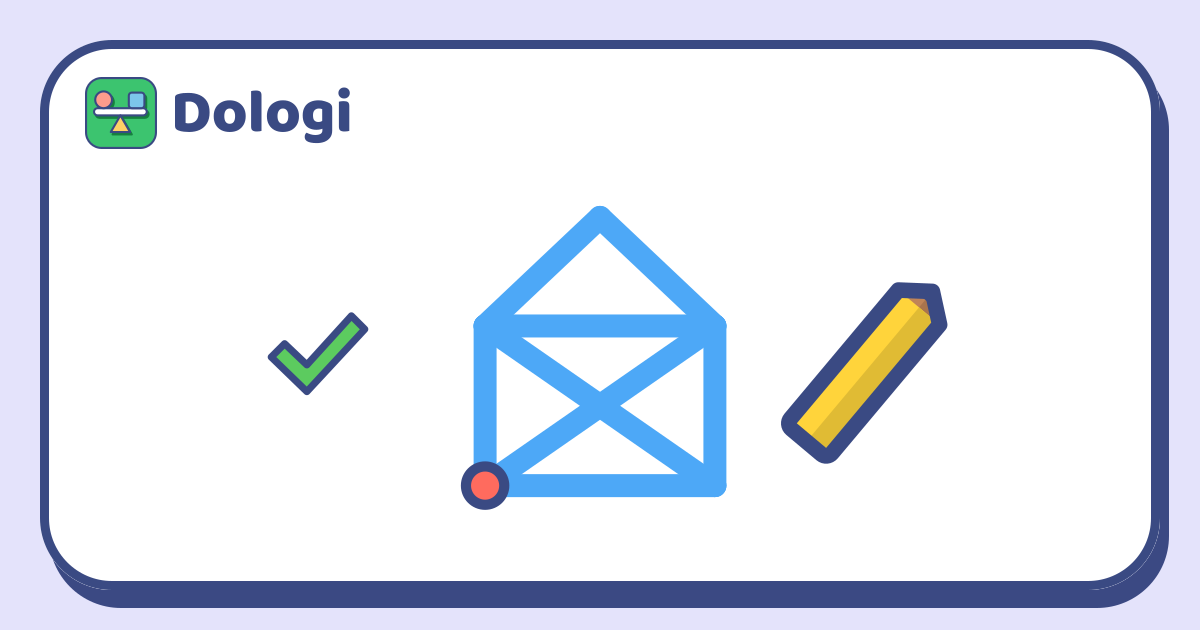
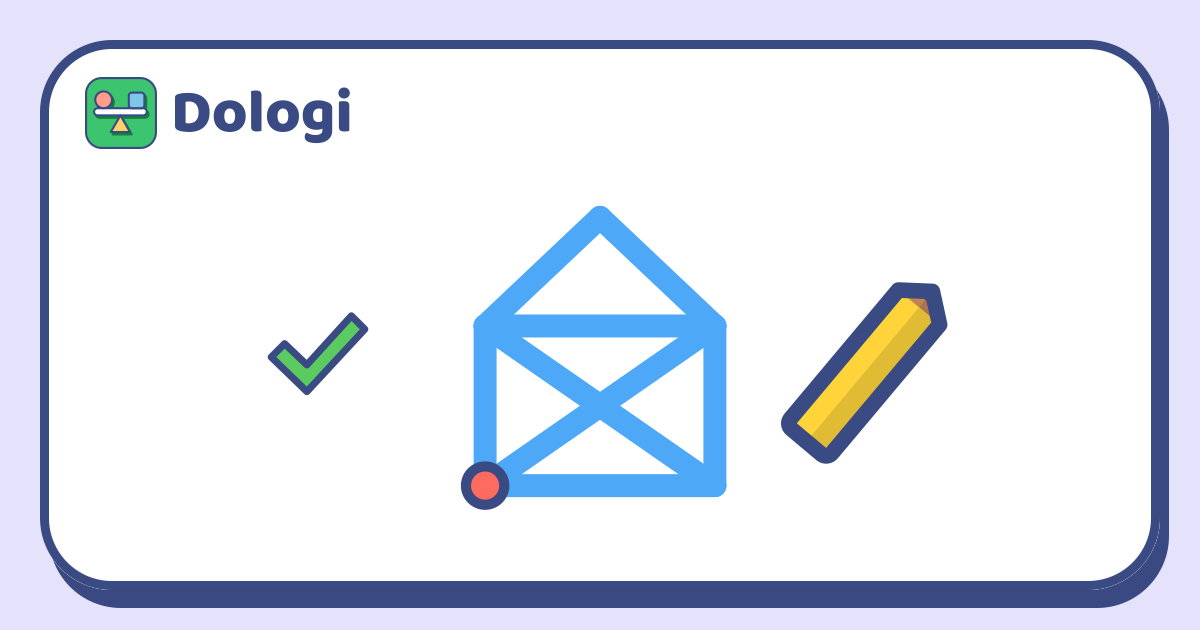
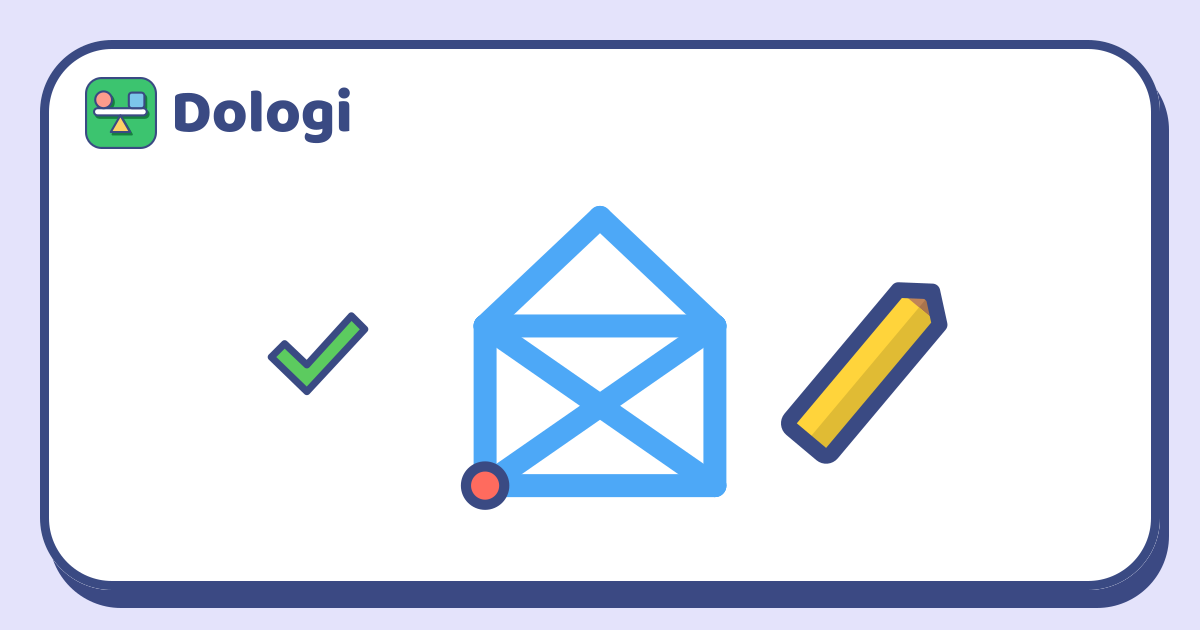
Can you draw this house without lifting your pencil or going over a line twice? How to play one-stroke puzzles with simple shapes, why the starting point matters, the counting trick that tells you whether a shape is possible, and how children can invent their own.
Swap letters or numbers for little pictures and you have a secret code. How to make a code table with your child, send coded messages, play a coded treasure hunt, and, for older children, crack a code without the table by reasoning from examples.
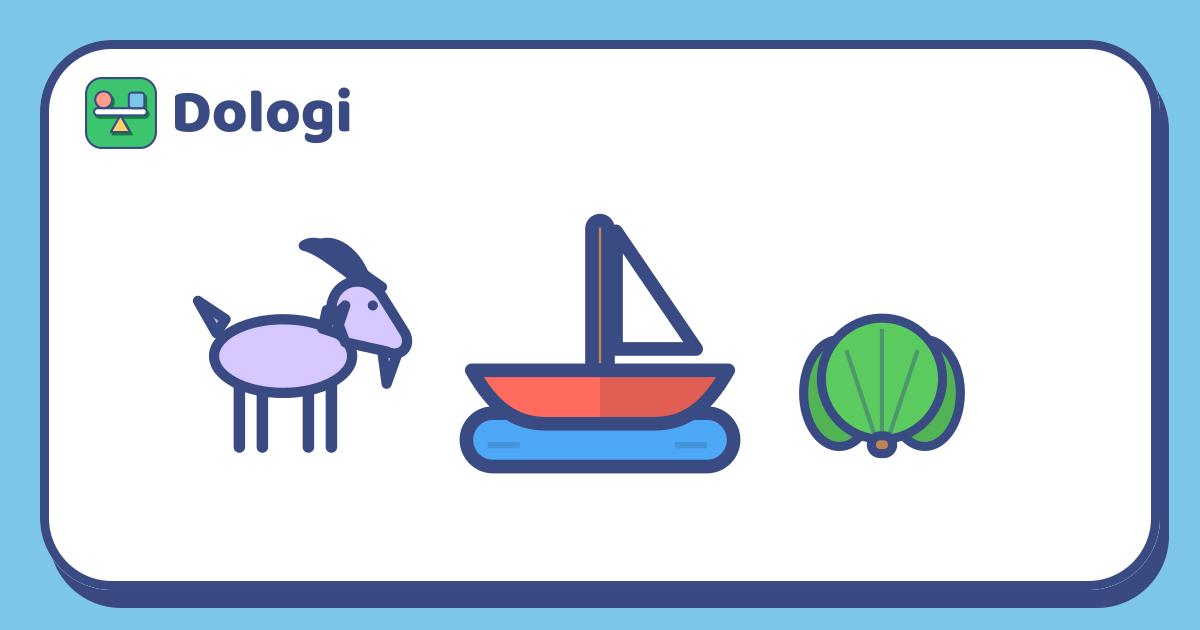
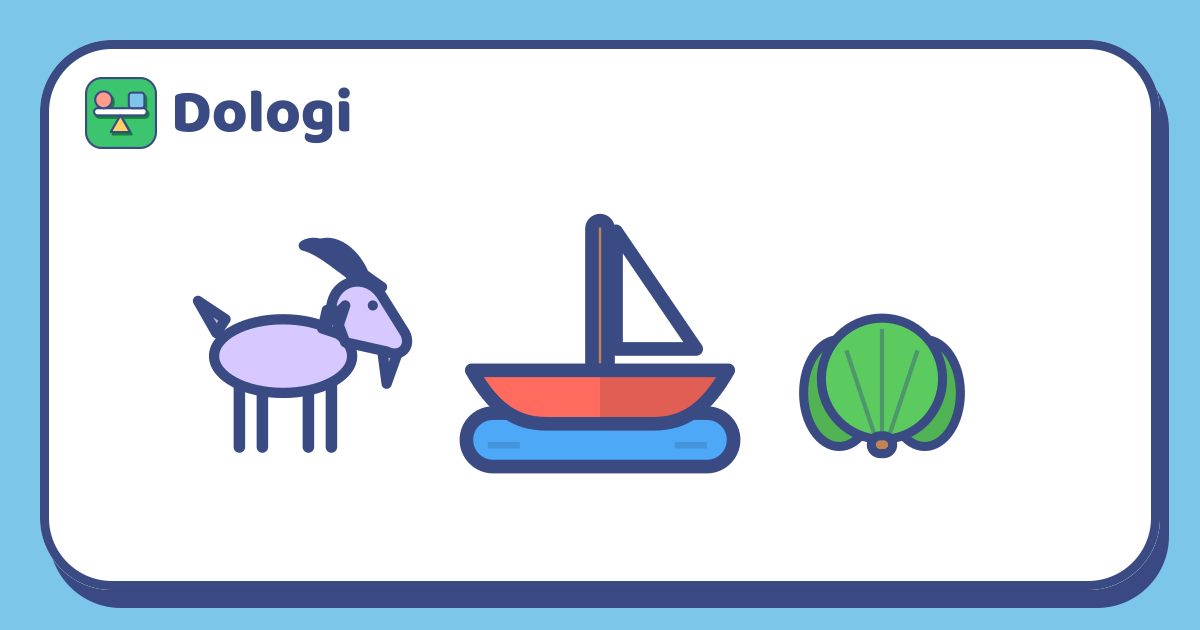
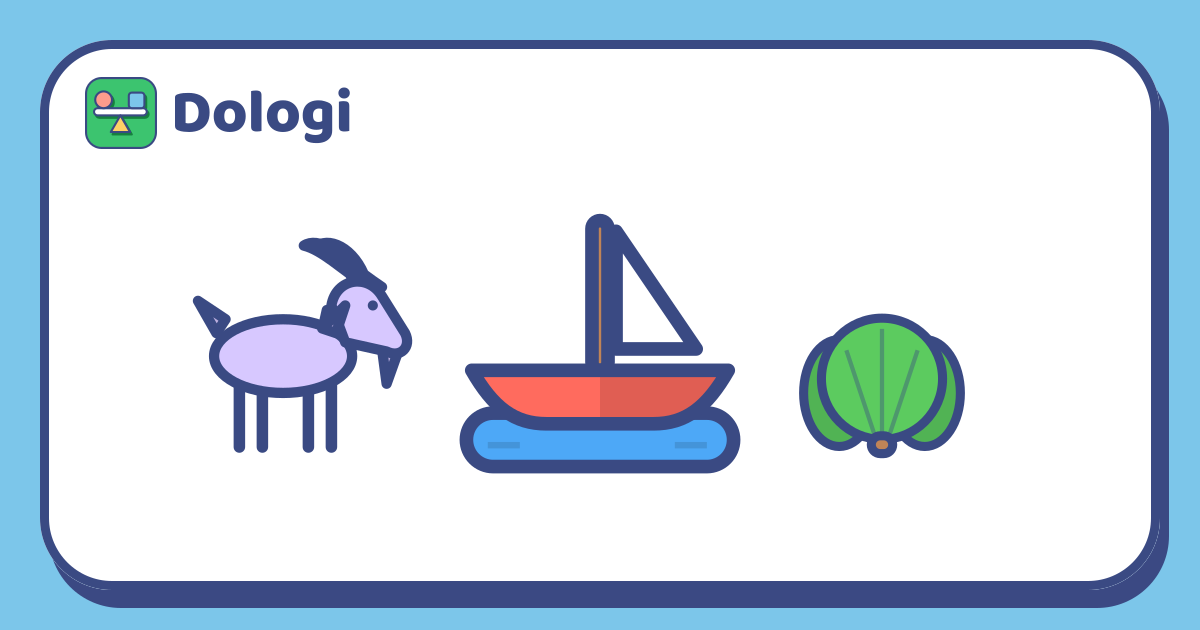
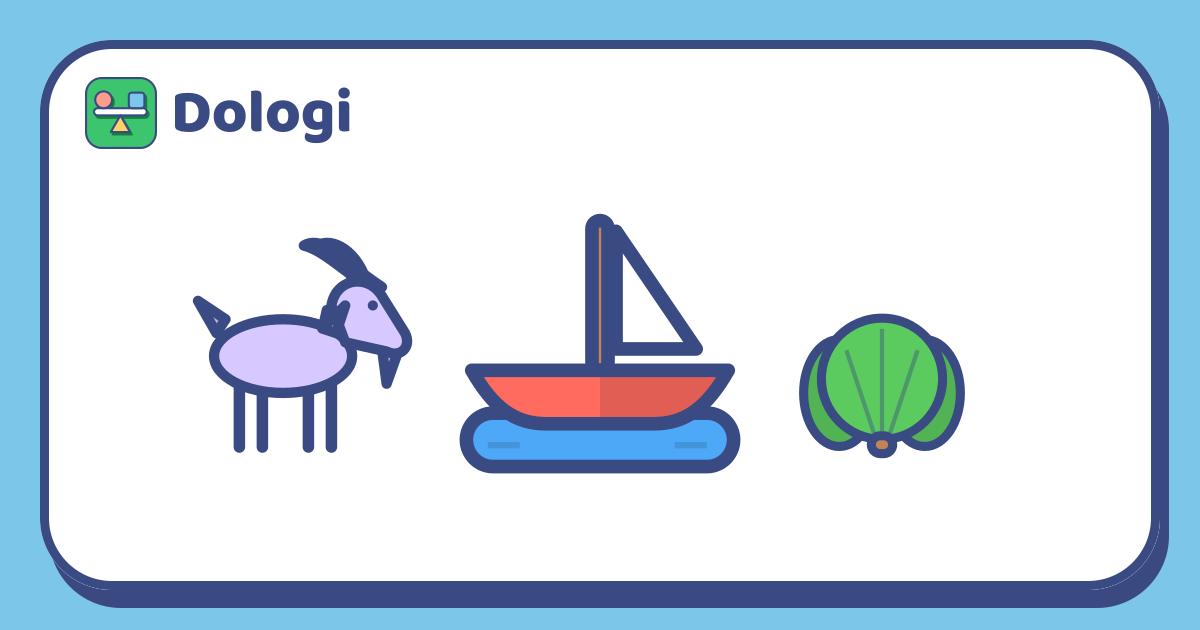
A farmer must take a wolf, a goat and a cabbage across a river in a boat that only holds one of them. How to act the puzzle out with toys, record each trip, discover why something has to come back, and make easier or harder versions for different ages.
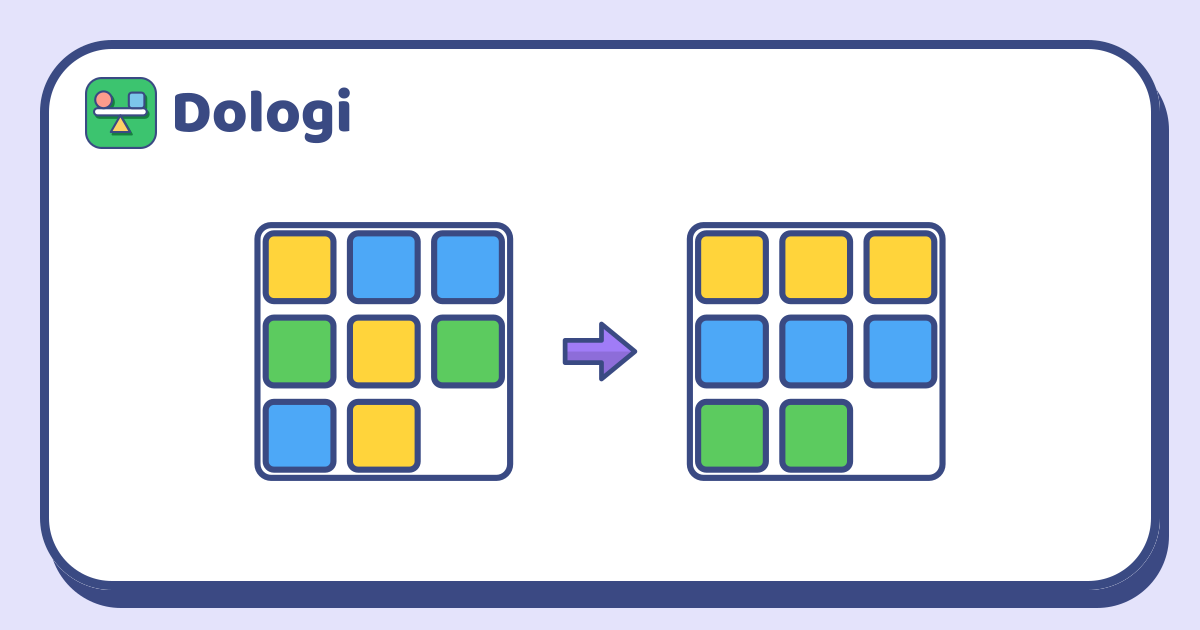
A picture cut into squares, one empty space, and the only move is to slide a tile into the gap. How to make a sliding puzzle from paper, why to start with a 2 by 2 board, a row-by-row strategy for bigger boards, and the important tip that keeps a homemade puzzle solvable.
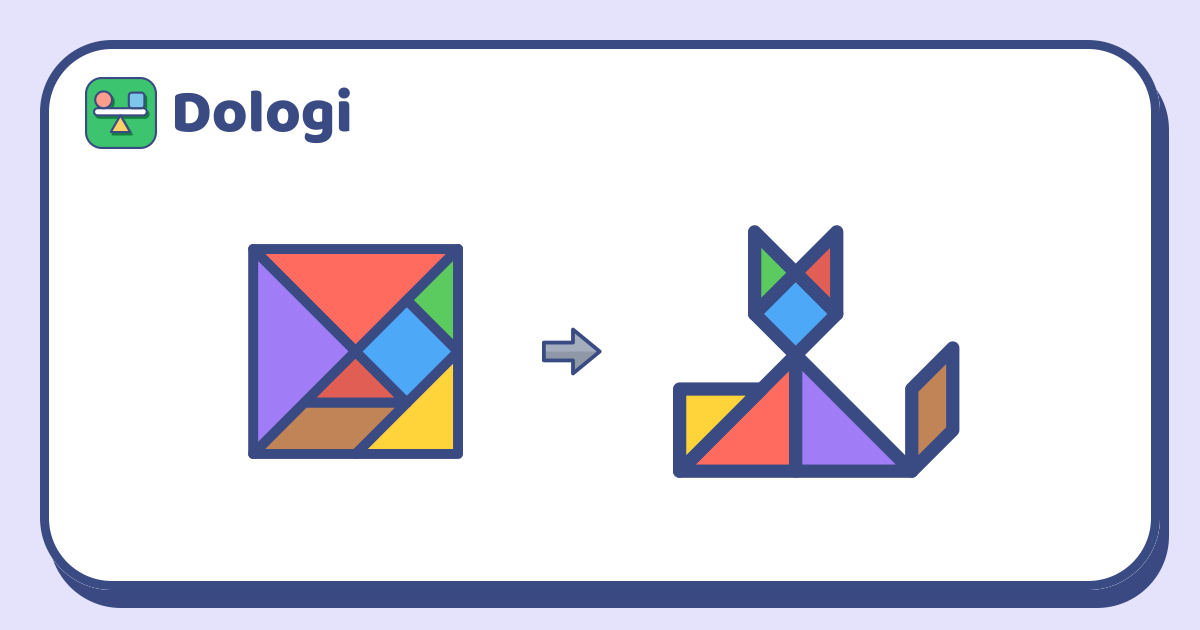
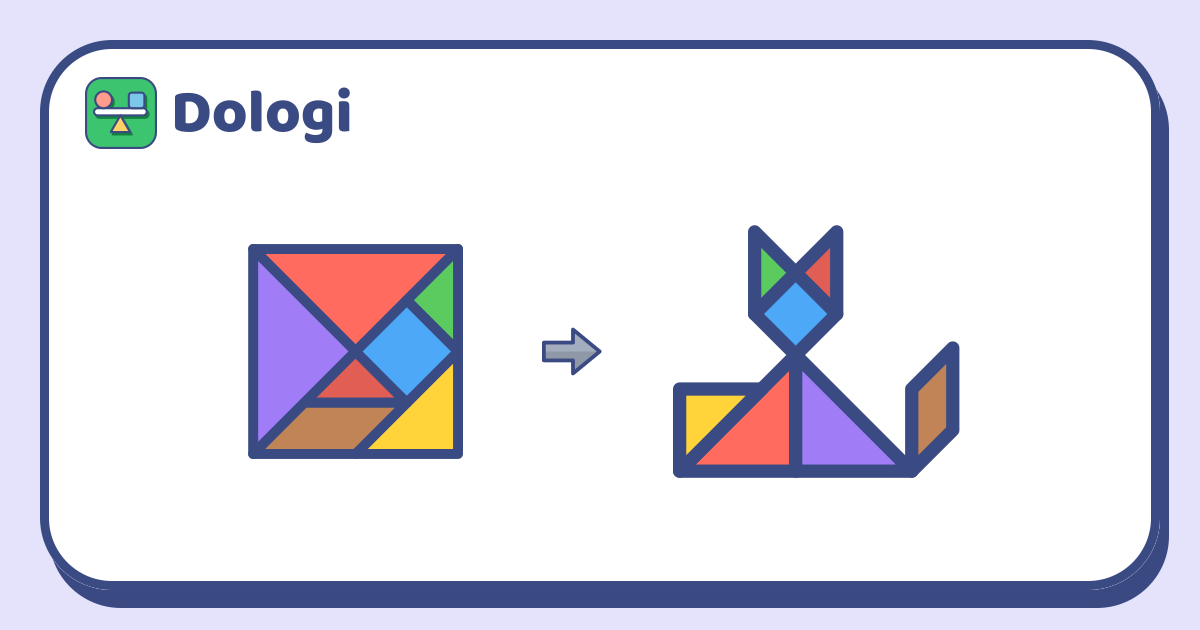
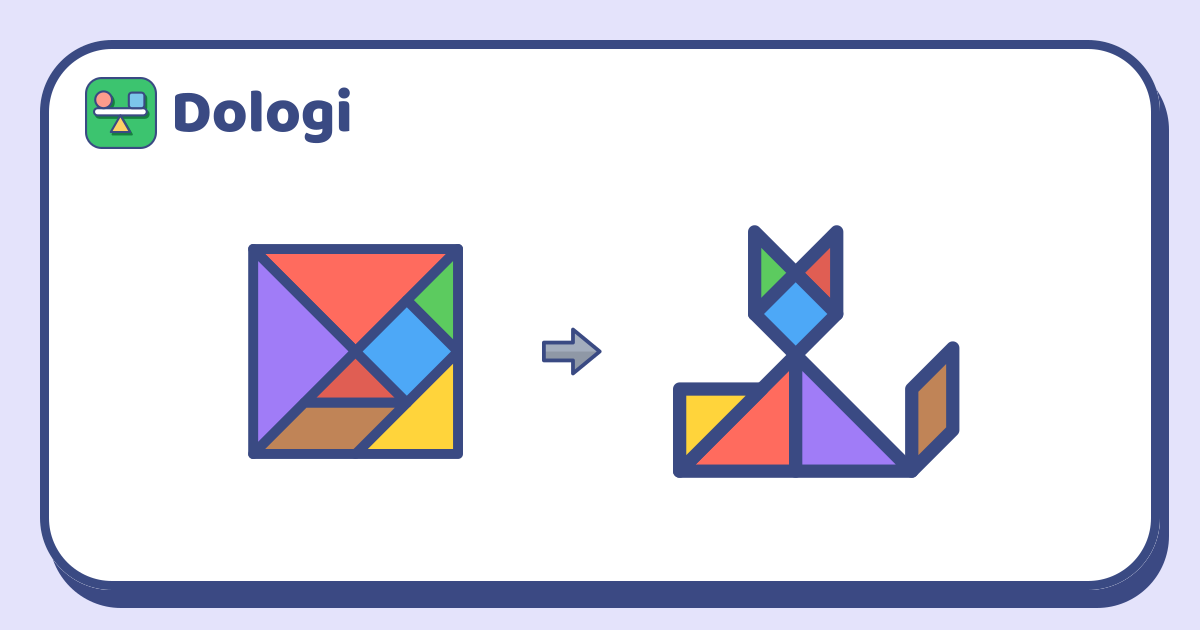
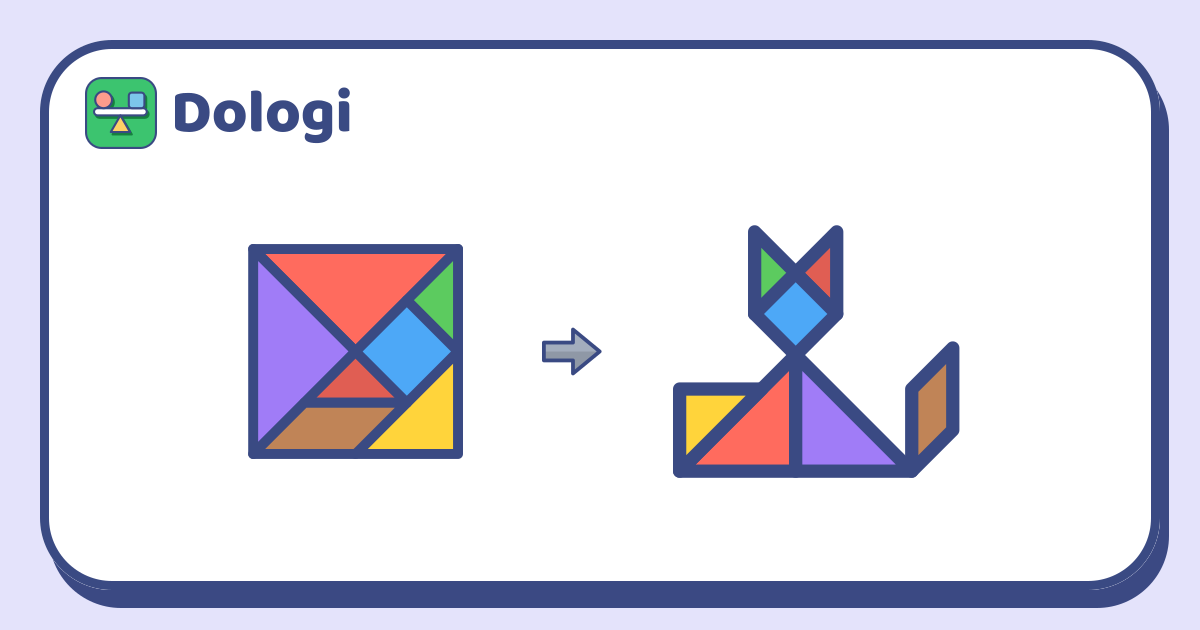
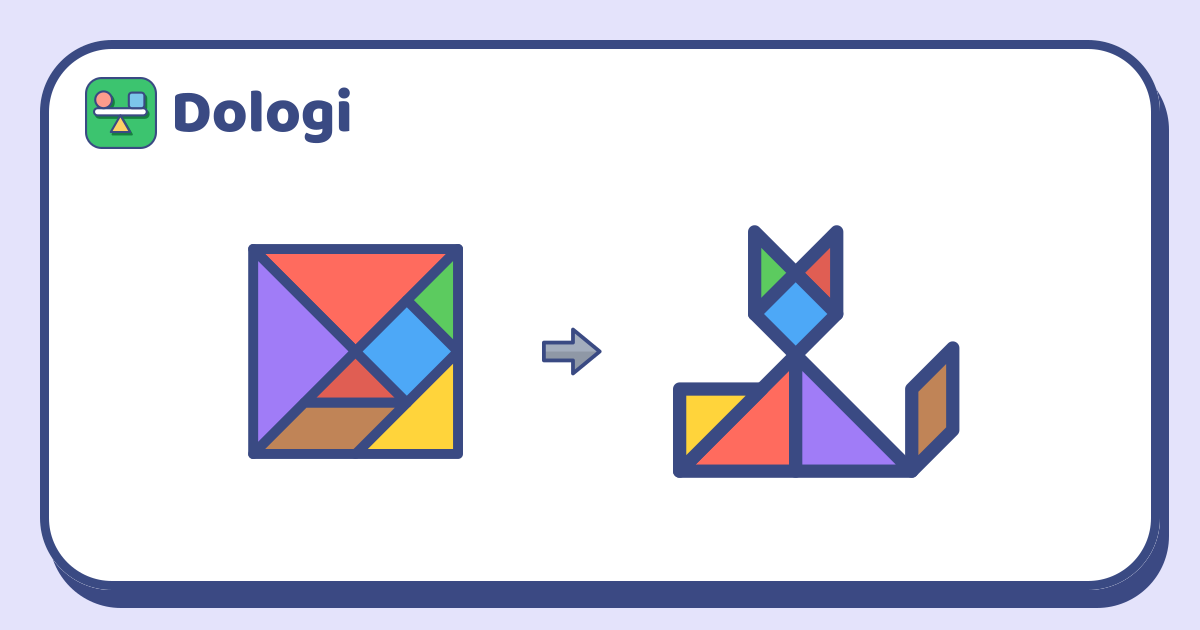
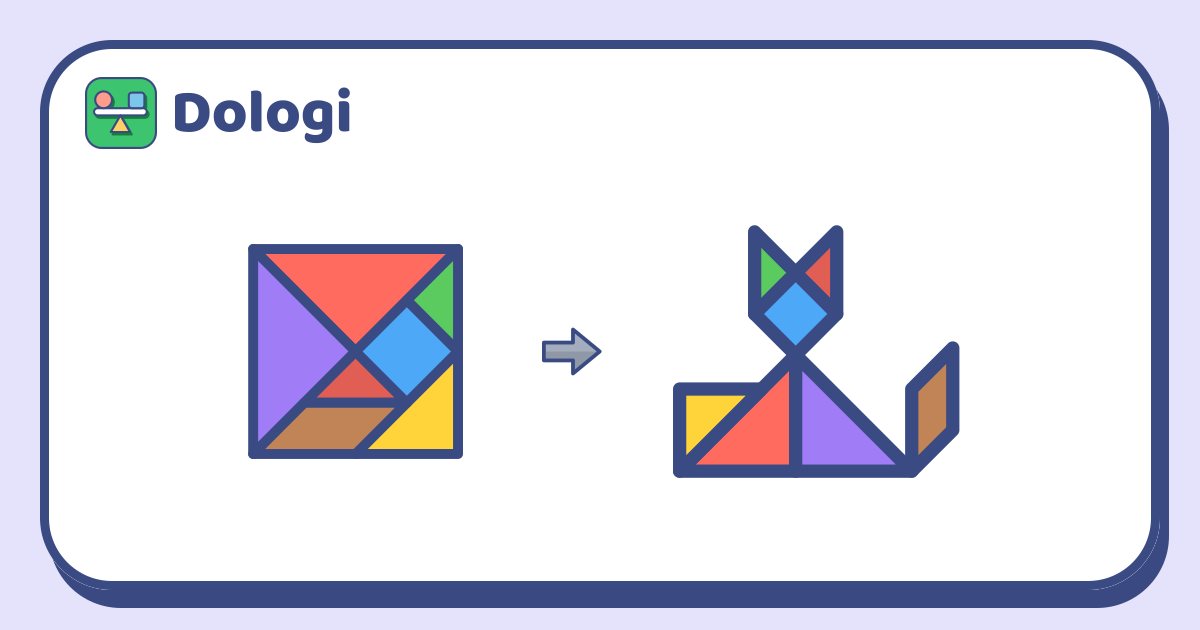
Seven simple pieces, endless pictures. How to make a tangram set from paper, the rules, a step-by-step path from filling outlines to inventing your own shapes, what the puzzle trains, a few surprising maths facts about the pieces, and ideas by age.
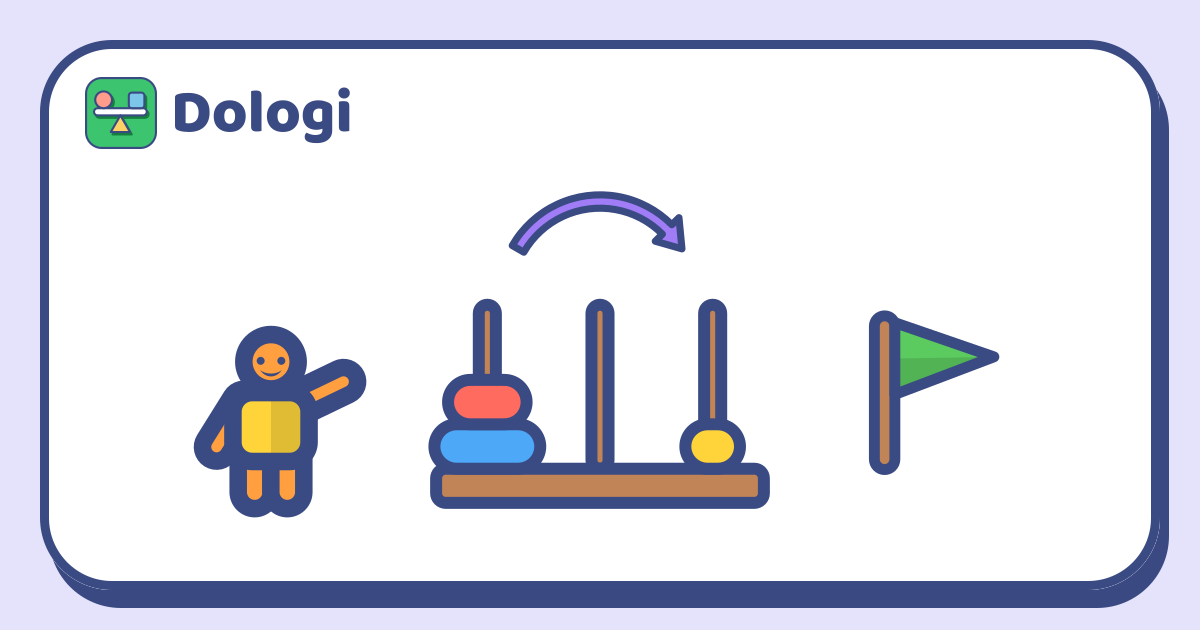
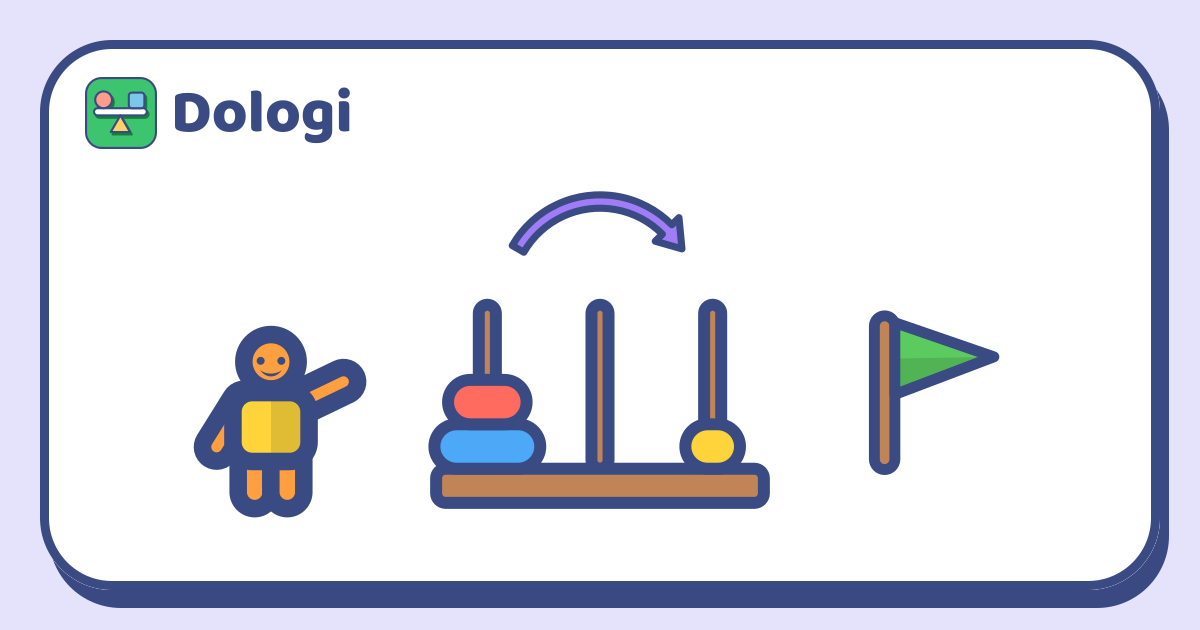
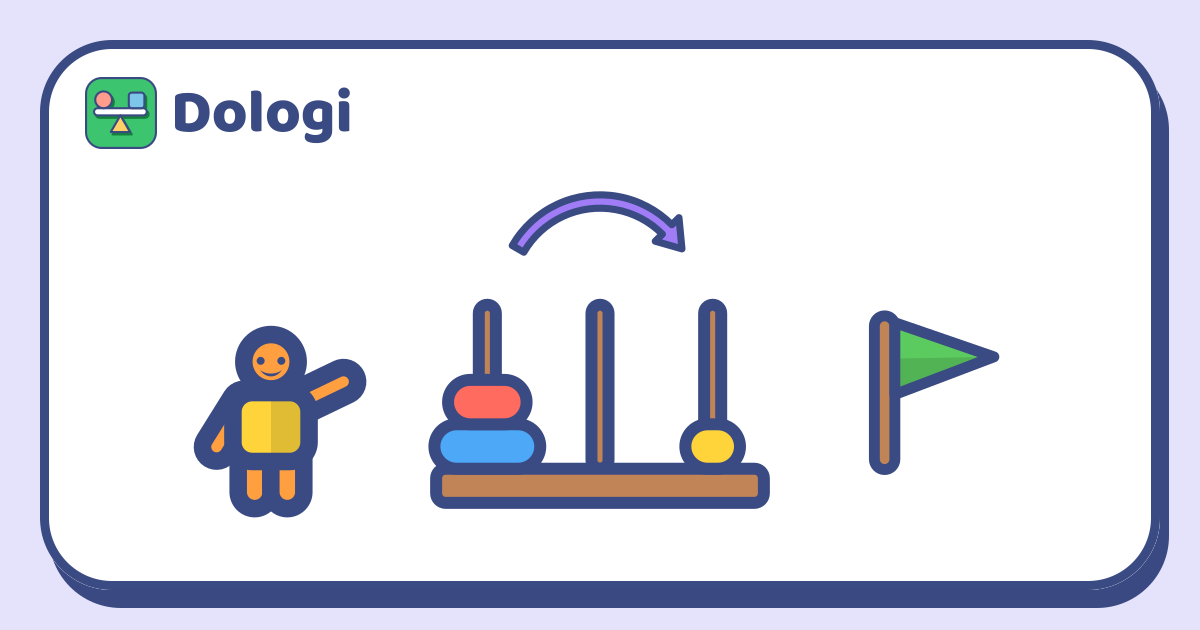
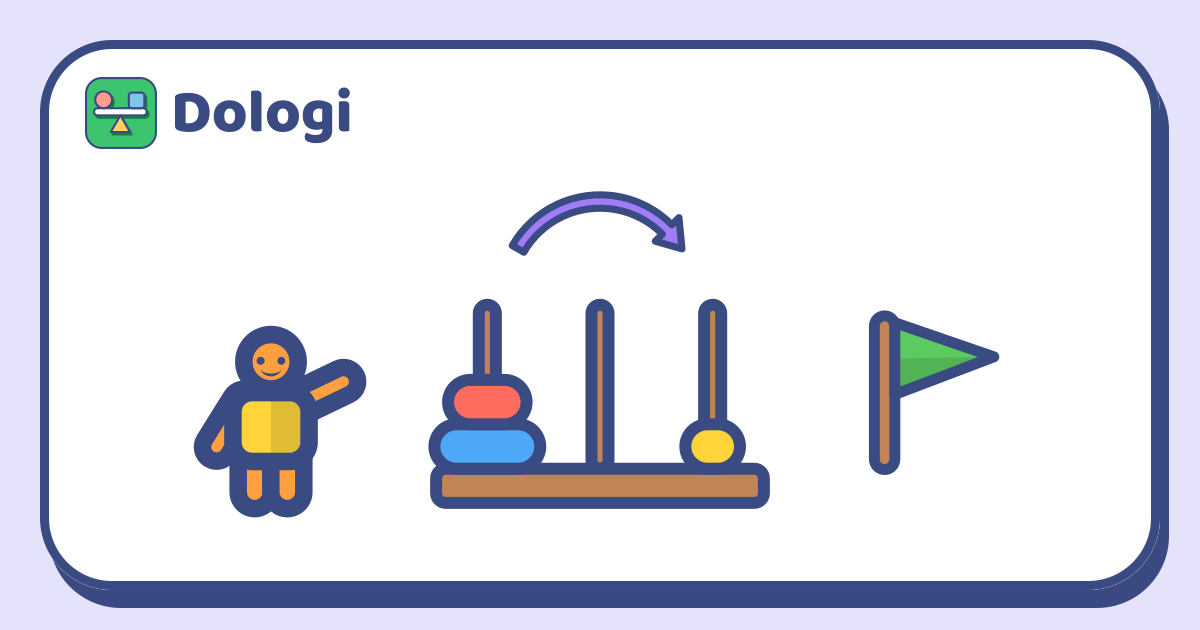
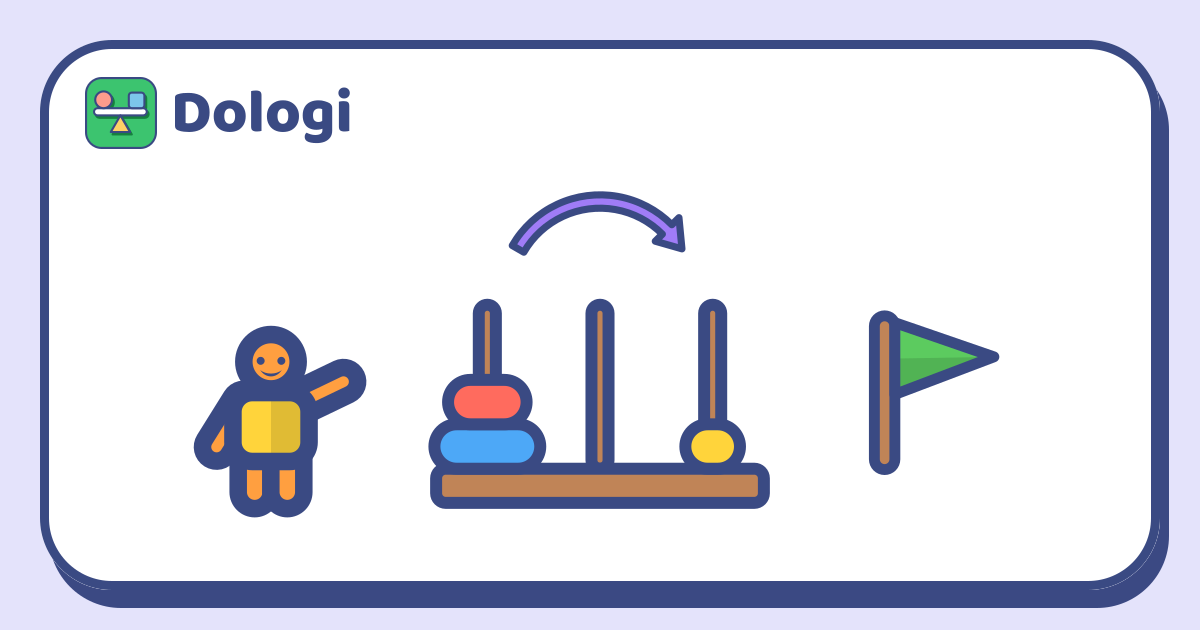
Move a stack of discs from one peg to another, one disc at a time, never putting a big disc on a small one. How to make the puzzle at home, why starting with two discs matters, the key idea that unlocks bigger towers, and the surprising pattern in the number of moves.
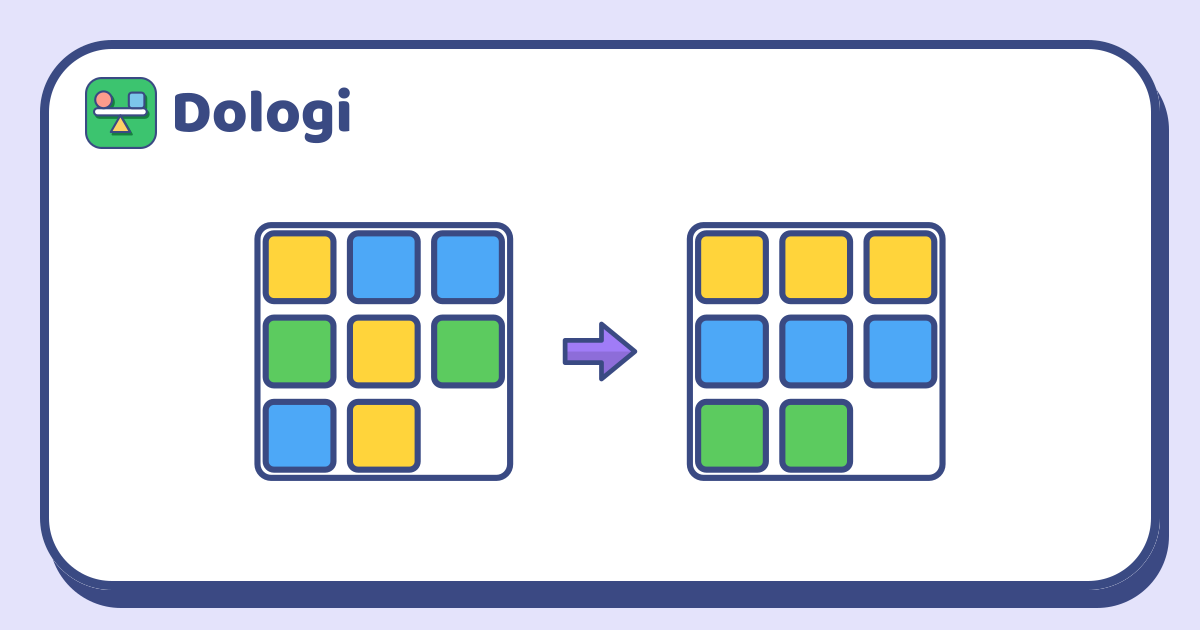
Easy questions are often the ones we get wrong, because we answer before we've really listened. Why trick questions are good practice for careful listening and reading, five kinds of trick with our own examples, how to play without anyone feeling silly, inventing your own, and the link with maths word problems.
One character always tells the truth, the other always lies. Who is who? How these puzzles work, a simple method of trying each possibility and looking for contradictions, three puzzles from easy to tricky with answers, and how to invent your own.
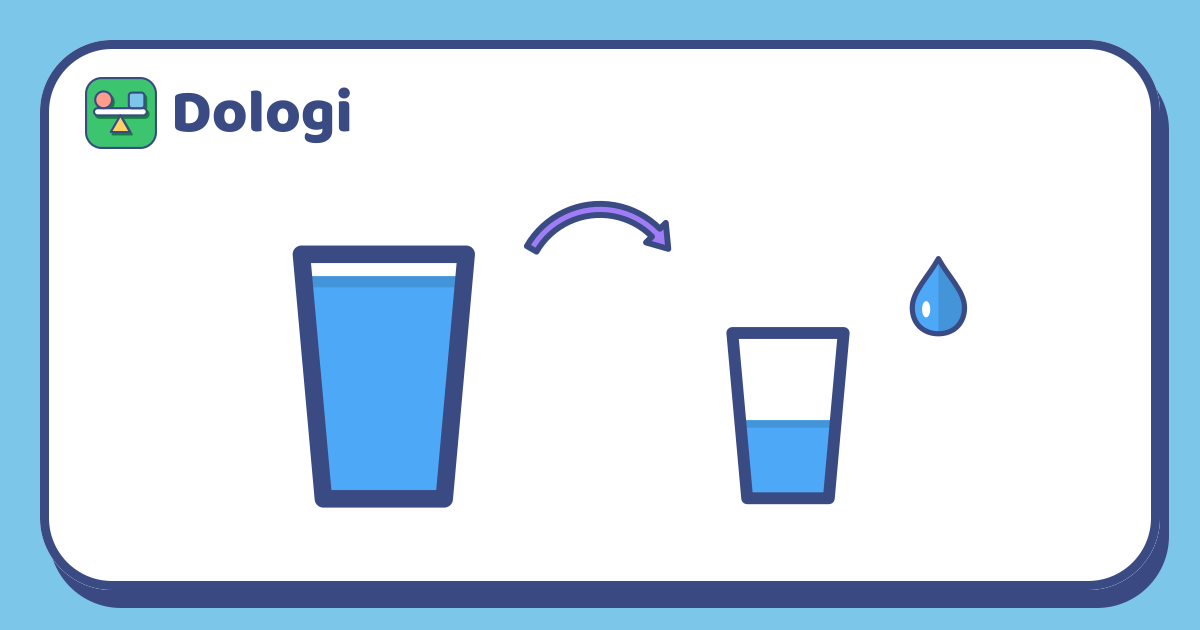
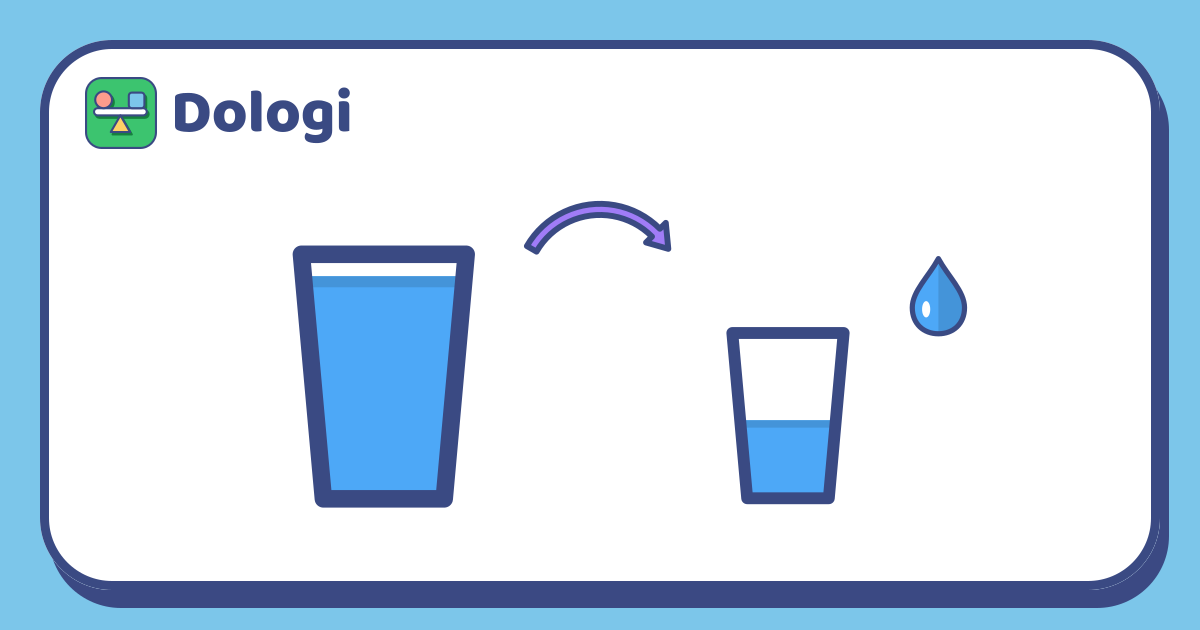
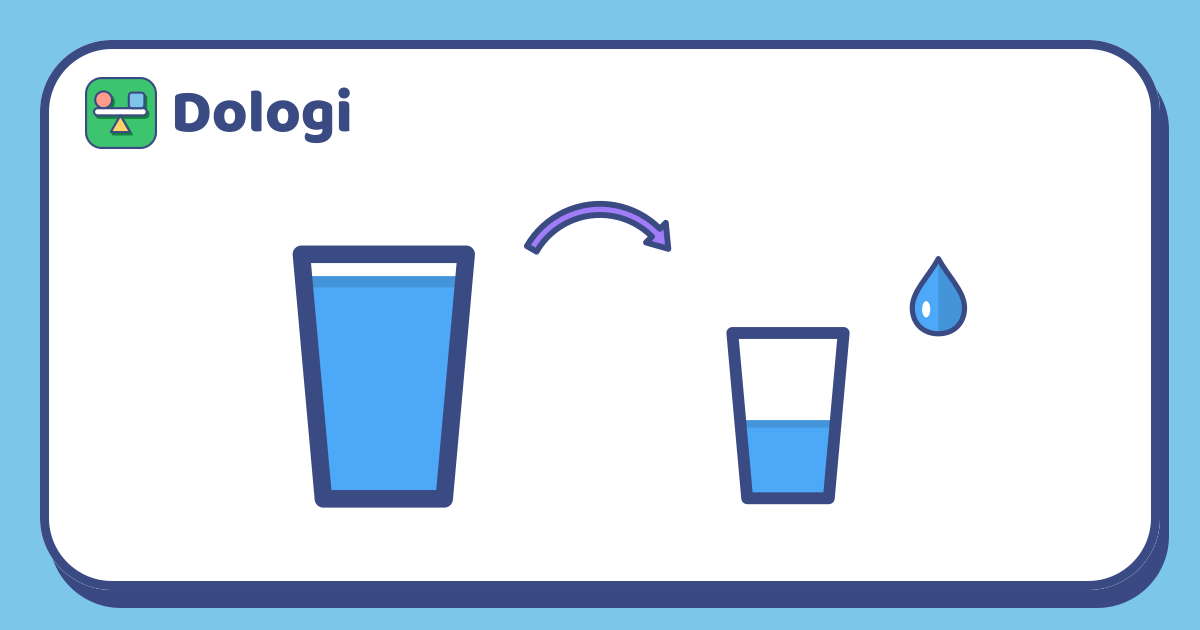
Chỉ có một bình 3 cốc và một bình 5 cốc, làm sao đong được đúng 4 cốc nước? Cách biến câu đố kinh điển này thành trò chơi với nước thật, ba nước đi được phép, một bản dễ để bắt đầu, bảng ghi lại từng lần rót, và vì sao có những lượng nước không thể đong được.
Câu dễ lại thường là câu ta trả lời sai, vì ta đáp trước khi thật sự nghe hết. Vì sao câu đố mẹo giúp trẻ tập nghe kỹ, đọc kỹ, năm kiểu mẹo kèm ví dụ tự soạn, cách chơi để không ai thấy ngại, cách con tự đặt câu đố và mối liên hệ với bài toán có lời văn.
Một nhân vật luôn nói thật, nhân vật kia luôn nói dối. Ai là ai? Các câu đố này hoạt động thế nào, cách đơn giản là thử từng khả năng và tìm chỗ mâu thuẫn, ba câu đố từ dễ đến khó kèm đáp án, và cách tự nghĩ ra câu đố.
Bác nông dân phải đưa một con sói, một con dê và một cây bắp cải qua sông trên chiếc thuyền chỉ chở được một thứ. Cách dùng đồ chơi diễn lại câu đố, ghi lại từng chuyến, khám phá vì sao phải chở một thứ quay lại, và cách làm bản dễ hơn hay khó hơn cho từng độ tuổi.
Một bức tranh cắt thành ô vuông, một chỗ trống, và nước đi duy nhất là trượt một ô vào chỗ trống. Cách tự làm câu đố trượt ô bằng giấy, vì sao nên bắt đầu với bàn 2 x 2, chiến lược xếp từng hàng cho bàn lớn hơn, và mẹo quan trọng để câu đố tự làm luôn giải được.
Chỉ với vài manh mối như "thỏ đứng sau mèo", trẻ có thể suy ra thứ tự của cả một hàng. Cách chơi bằng đồ chơi, những từ chỉ vị trí trẻ cần biết, nên bắt đầu từ manh mối nào, cách kiểm tra lại mọi manh mối, và làm sao biết câu đố còn thiếu một manh mối.
Mỗi mặt chín ô màu, sáu màu, và rất nhiều lần xoay. Khối lập phương xoay màu rèn được gì, thường hợp với độ tuổi nào, cách bắt đầu từ một mặt với những mục tiêu nhỏ, vì sao không cần nhanh, và những phiên bản dễ hơn cho trẻ nhỏ.
Thay chữ hoặc số bằng những hình vẽ nhỏ là đã có một mật mã. Cách cùng con làm bảng mã, gửi thư bí mật, chơi truy tìm kho báu bằng mật thư, và với trẻ lớn hơn, phá mã khi không có bảng mã bằng cách suy luận từ các thư mẫu.
Chuyển cả chồng đĩa từ cọc này sang cọc khác, mỗi lần một đĩa, không bao giờ đặt đĩa to lên đĩa nhỏ. Cách tự làm trò chơi tại nhà, vì sao nên bắt đầu với hai đĩa, ý then chốt giúp giải được tháp lớn hơn, và quy luật bất ngờ trong số nước đi.
Con có vẽ được ngôi nhà này mà không nhấc bút và không đi lại đường nào hai lần không? Cách chơi câu đố một nét với những hình đơn giản, vì sao điểm bắt đầu lại quan trọng, mẹo đếm giúp biết hình nào vẽ được, và cách để trẻ tự sáng tác hình.
Tres niños, tres mascotas, unas pistas y una tabla de marcas y cruces. Cómo funcionan los acertijos de tabla, un primer acertijo resuelto paso a paso, otro para probar, cómo inventar los vuestros y cómo adaptarlos a niños más pequeños o mayores.
Un personaje siempre dice la verdad y el otro siempre miente. ¿Quién es quién? Cómo funcionan estos acertijos, un método sencillo para probar cada posibilidad y buscar contradicciones, tres acertijos de fácil a difícil con respuestas y cómo inventar los vuestros.
Cambia letras o números por dibujitos y ya tienes un código secreto. Cómo crear con tu hijo una tabla de código, enviar mensajes cifrados, jugar a una búsqueda del tesoro con pistas en clave y, con los mayores, descifrar un código sin la tabla razonando a partir de ejemplos.
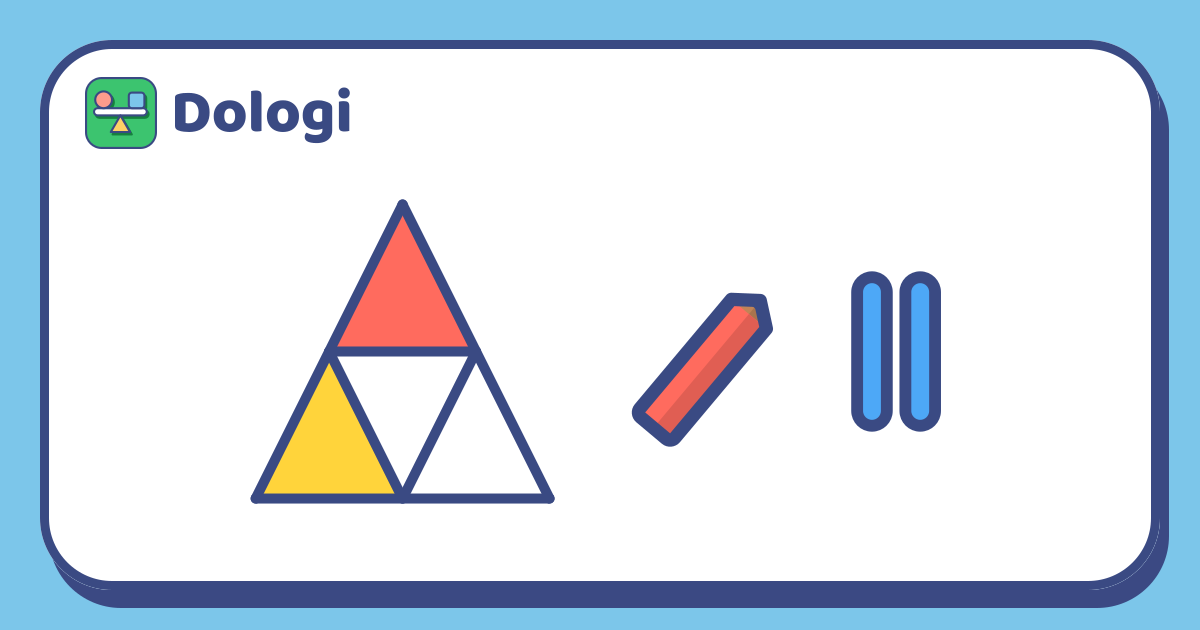
Dibuja un triángulo, une los puntos medios de sus lados y pregunta cuántos triángulos hay. Casi todo el mundo dice cuatro. Un método sencillo para contar figuras escondidas, cinco acertijos para dibujar en casa con sus soluciones y cómo dejar que tu hijo invente los suyos.
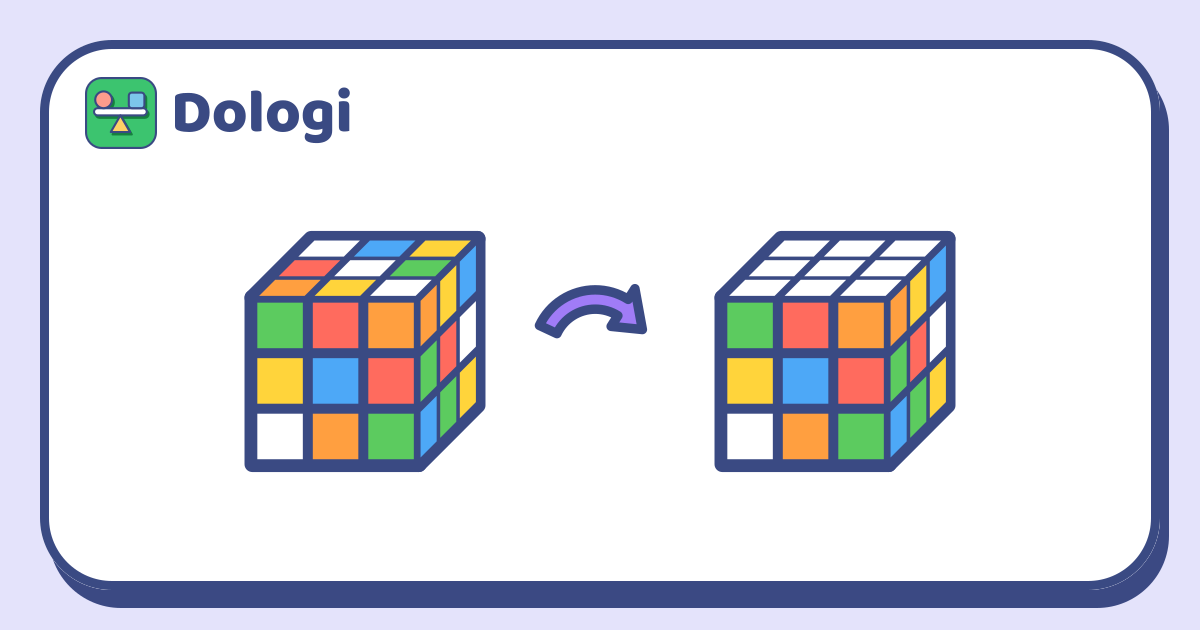
Nueve cuadrados de colores en cada cara, seis colores y muchos giros. Qué entrena el cubo de colores que gira, a qué edad suele encajar, cómo empezar por una cara con metas pequeñas, por qué la velocidad no importa y versiones más fáciles para los más pequeños.
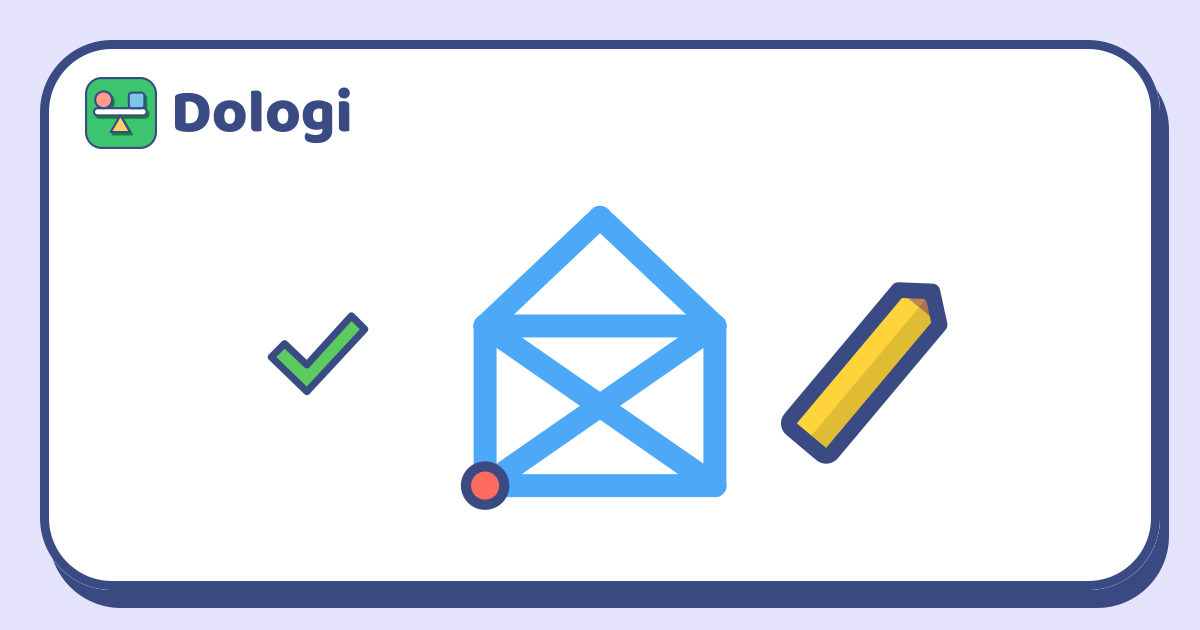
¿Puedes dibujar esta casa sin levantar el lápiz ni pasar dos veces por la misma línea? Cómo jugar a los acertijos de un solo trazo con figuras sencillas, por qué importa el punto de partida, el truco de contar que dice si una figura es posible y cómo los niños pueden inventar las suyas.
Cuatro granjeros comparten un terreno cuadrado y cada uno quiere una parte de la misma forma y tamaño. ¿De cuántas maneras se puede cortar? Acertijos de papel y tijeras con un cuadrado y con una figura en L, cómo comprobar superponiendo las piezas y qué significa de verdad "igual".
Las preguntas fáciles suelen ser las que fallamos, porque respondemos antes de haber escuchado de verdad. Por qué las preguntas trampa entrenan la escucha y la lectura atentas, cinco tipos de trampa con ejemplos propios, cómo jugar sin que nadie se sienta tonto, cómo inventar las tuyas y la relación con los problemas de matemáticas.
Una imagen cortada en cuadrados, un hueco vacío y un único movimiento posible: deslizar una ficha hacia el hueco. Cómo hacer un rompecabezas deslizante de papel, por qué empezar con un tablero de 2 por 2, una estrategia fila a fila para los tableros grandes y el truco que hace que un rompecabezas casero siempre tenga solución.
Siete piezas sencillas, infinitas figuras. Cómo hacer un tangram de papel, las reglas, un camino paso a paso desde rellenar siluetas hasta inventar figuras propias, qué entrena el juego, algunas sorpresas matemáticas de las piezas e ideas por edad.
Memindahkan tumpukan cakram dari satu tiang ke tiang lain, satu cakram setiap kali, tanpa pernah menaruh cakram besar di atas yang kecil. Cara membuat permainannya di rumah, mengapa sebaiknya mulai dengan dua cakram, gagasan kunci untuk menara yang lebih besar, dan pola mengejutkan dalam jumlah langkahnya.
Bisakah kamu menggambar rumah ini tanpa mengangkat pensil dan tanpa melewati satu garis dua kali? Cara memainkan teka-teki sekali goresan dengan bentuk sederhana, mengapa titik awal itu penting, trik menghitung yang memberi tahu apakah sebuah bentuk mungkin digambar, dan cara anak menciptakan bentuknya sendiri.
Gambar yang dipotong menjadi kotak-kotak, satu tempat kosong, dan hanya satu langkah yang boleh: menggeser kepingan ke tempat kosong. Cara membuat puzzle geser dari kertas, mengapa mulai dari papan 2 x 2, strategi baris demi baris untuk papan yang lebih besar, dan tips penting agar puzzle buatan sendiri selalu bisa diselesaikan.
Tujuh kepingan sederhana, gambar yang tak ada habisnya. Cara membuat tangram dari kertas, aturannya, tahapan dari mengisi pola sampai mencipta bentuk sendiri, apa yang dilatih, beberapa kejutan matematika tentang kepingannya, dan ide sesuai usia.
Pertanyaan yang mudah justru sering kita jawab salah, karena kita menjawab sebelum benar-benar mendengarkan. Mengapa teka-teki jebakan melatih anak mendengar dan membaca dengan teliti, lima jenis jebakan dengan contoh buatan kami sendiri, cara bermain tanpa ada yang merasa malu, cara membuat teka-teki sendiri, dan kaitannya dengan soal cerita matematika.
Satu tokoh selalu jujur, tokoh lain selalu berbohong. Siapa yang mana? Cara kerja teka-teki ini, metode sederhana mencoba setiap kemungkinan dan mencari pertentangan, tiga teka-teki dari mudah ke sulit beserta jawabannya, dan cara membuat sendiri.
Hanya dengan teko 3 gelas dan teko 5 gelas, bagaimana menakar tepat 4 gelas air? Cara mengubah teka-teki klasik ini menjadi permainan dengan air sungguhan, tiga gerakan yang boleh dilakukan, versi mudah untuk memulai, tabel untuk mencatat setiap tuangan, dan mengapa ada jumlah yang mustahil ditakar.
Seorang petani harus menyeberangkan serigala, kambing, dan kubis dengan perahu yang hanya muat satu di antaranya. Cara memeragakan teka-teki dengan mainan, mencatat setiap penyeberangan, menemukan mengapa sesuatu harus dibawa kembali, dan membuat versi yang lebih mudah atau lebih sulit sesuai usia.
Tiga anak, tiga hewan peliharaan, beberapa petunjuk, dan tabel berisi centang dan silang. Cara kerja teka-teki tabel, teka-teki pertama yang dipecahkan langkah demi langkah, teka-teki kedua untuk dicoba, cara membuat sendiri, serta cara menyesuaikannya untuk anak yang lebih kecil atau lebih besar.
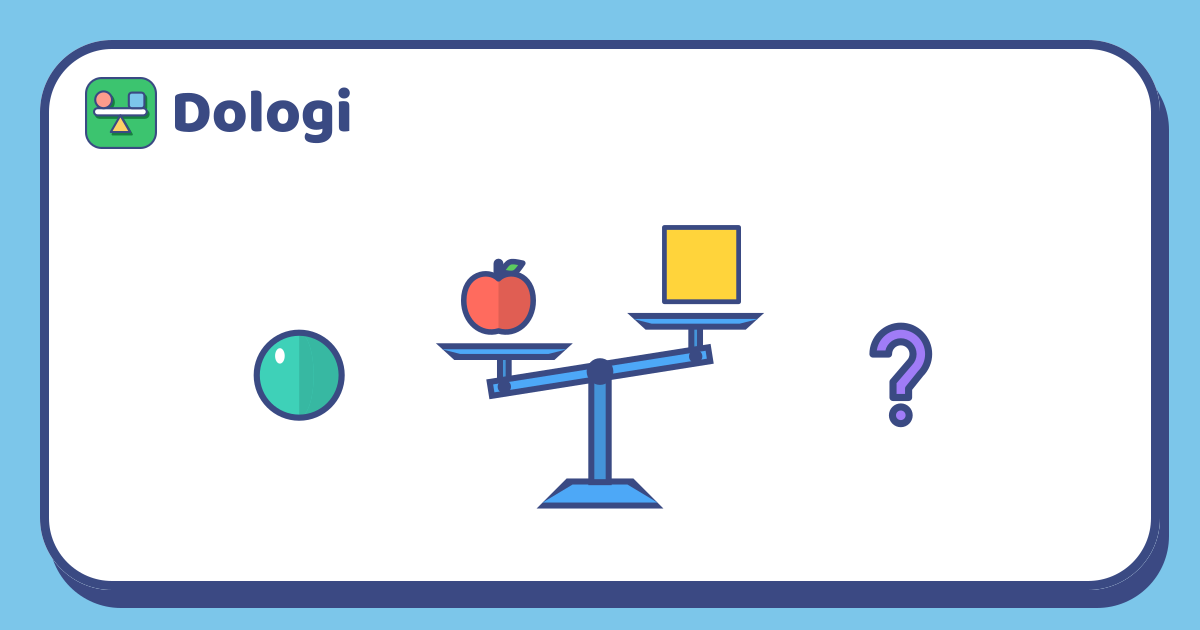
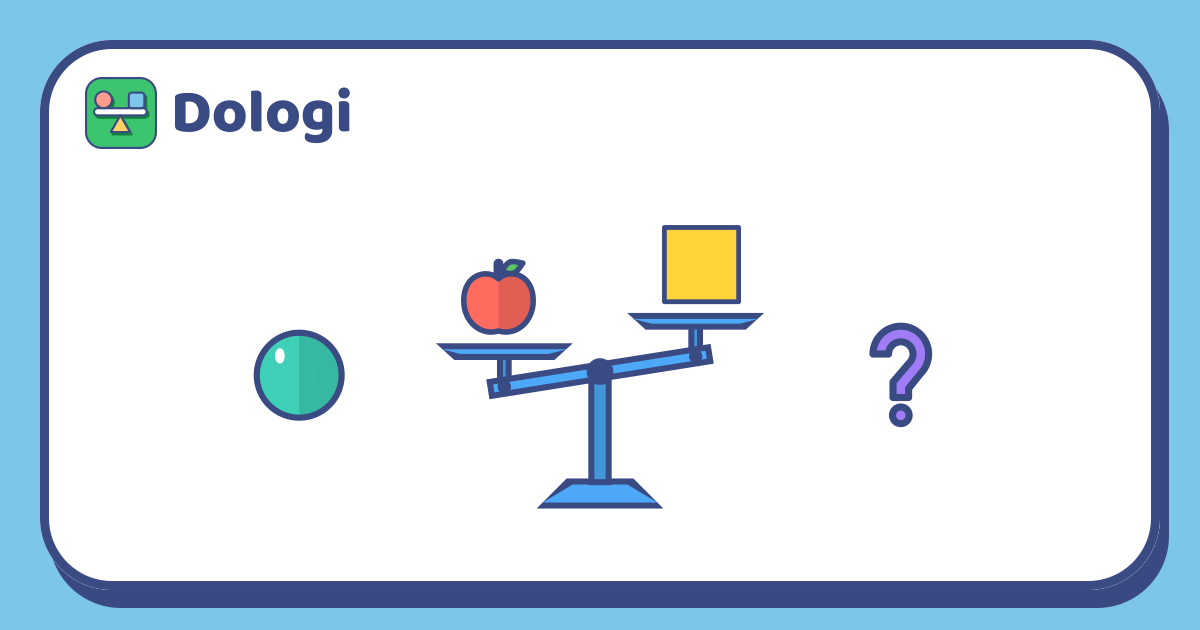
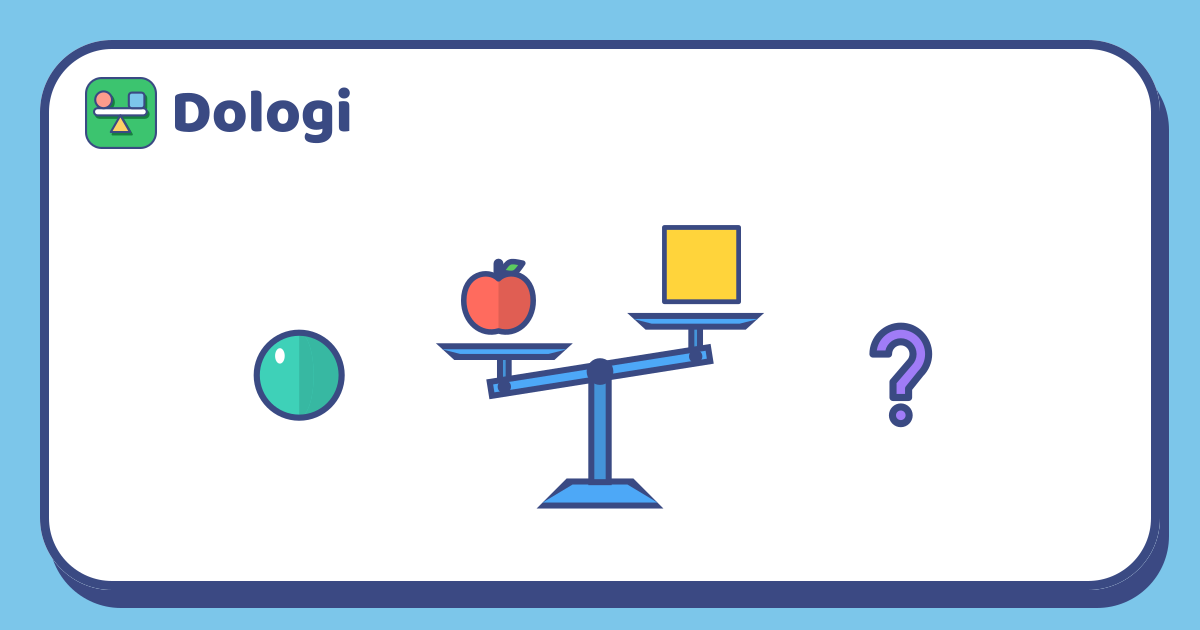
Timbangan buatan sendiri mengubah "mana yang lebih berat?" menjadi teka-teki penalaran sungguhan. Cara membuatnya dari gantungan baju, mengapa besar tidak selalu berarti berat, cara mengurutkan tiga benda dengan hanya dua kali menimbang, dan teka-teki timbangan di kertas saat satu sisi sama dengan sisi lainnya.
Com poucas pistas como "o coelho está atrás do gato", a criança consegue descobrir a ordem de uma fila inteira. Como brincar com brinquedos, as palavras de posição que ela precisa saber, por qual pista começar, como conferir todas as pistas no final e como perceber quando falta uma pista no desafio.
Uma balança caseira transforma "o que é mais pesado?" em um verdadeiro desafio de raciocínio. Como fazer uma com um cabide, por que grande nem sempre quer dizer pesado, como ordenar três objetos com só duas pesagens e desafios de balança no papel em que um lado vale o outro.
Um personagem sempre fala a verdade, o outro sempre mente. Quem é quem? Como esses desafios funcionam, um método simples de testar cada possibilidade e procurar contradições, três desafios do fácil ao difícil com respostas e como criar os seus.
Três crianças, três bichinhos, algumas pistas e uma tabela de certos e xis. Como funcionam os desafios de tabela, um primeiro desafio resolvido passo a passo, outro para tentar, como criar os seus e como adaptar para crianças menores ou maiores.
Dá para desenhar esta casinha sem tirar o lápis do papel nem passar duas vezes pela mesma linha? Como brincar de desafios de um traço só com figuras simples, por que o ponto de partida importa, o truque de contar que diz se uma figura é possível e como a criança pode inventar as próprias figuras.
Quatro agricultores dividem um terreno quadrado, e cada um quer um pedaço com a mesma forma e o mesmo tamanho. De quantos jeitos dá para cortar? Desafios de papel e tesoura com um quadrado e com uma figura em L, como conferir empilhando as peças e o que "igual" quer dizer de verdade.
As perguntas fáceis costumam ser as que mais erramos, porque respondemos antes de ouvir de verdade. Por que as pegadinhas treinam a escuta e a leitura atentas, cinco tipos de pegadinha com exemplos nossos, como brincar sem ninguém se sentir bobo, como inventar as suas e a ligação com os problemas de matemática.
Desenhe um triângulo, ligue os pontos médios dos lados e pergunte quantos triângulos há. Quase todo mundo diz quatro. Um método simples para contar figuras escondidas, cinco desafios para desenhar em casa com as respostas e como deixar a criança inventar os dela.
Uma figura cortada em quadrados, um espaço vazio e um único movimento possível: deslizar uma peça para o espaço vazio. Como fazer um quebra-cabeça deslizante de papel, por que começar com um tabuleiro de 2 por 2, uma estratégia fileira por fileira para tabuleiros maiores e a dica que garante que um quebra-cabeça caseiro sempre tenha solução.
Sete peças simples, figuras sem fim. Como fazer um tangram de papel, as regras, um caminho passo a passo de preencher contornos até inventar figuras, o que a brincadeira treina, algumas surpresas matemáticas das peças e ideias por idade.
쉬운 문제일수록 오히려 틀리기 쉽습니다. 끝까지 제대로 듣기 전에 답해 버리기 때문이지요. 함정 문제가 주의 깊게 듣고 읽는 연습이 되는 이유, 직접 만든 예시와 함께 보는 다섯 가지 함정, 아무도 민망하지 않게 노는 법, 아이가 직접 문제를 만드는 법, 수학 문장제와의 연결을 소개합니다.
Un fermier doit faire traverser une rivière à un loup, une chèvre et un chou avec une barque qui n'en porte qu'un à la fois. Comment jouer l'énigme avec des jouets, noter chaque traversée, découvrir pourquoi quelque chose doit revenir, et proposer des versions plus faciles ou plus difficiles selon l'âge.
Avec seulement une cruche de 3 verres et une cruche de 5 verres, comment mesurer exactement 4 verres d'eau ? Comment transformer cette énigme classique en jeu avec de la vraie eau, les trois actions permises, une version facile pour commencer, un tableau pour noter chaque transvasement, et pourquoi certaines quantités sont impossibles.
Une balance faite maison transforme « qu'est-ce qui est le plus lourd ? » en véritable énigme de raisonnement. Comment en fabriquer une avec un cintre, pourquoi gros ne veut pas toujours dire lourd, comment ranger trois objets en deux pesées seulement, et des énigmes de balance sur papier où un côté vaut l'autre.
Avec quelques indices comme « le lapin est derrière le chat », l'enfant peut retrouver l'ordre de toute une file. Comment jouer avec des jouets, les mots de position à connaître, par quel indice commencer, comment vérifier tous les indices à la fin, et comment savoir qu'il manque un indice.
Un personnage dit toujours la vérité, l'autre ment toujours. Qui est qui ? Comment fonctionnent ces énigmes, une méthode simple pour tester chaque possibilité et chercher les contradictions, trois énigmes de la plus facile à la plus retorse avec les réponses, et comment inventer les vôtres.
Trois enfants, trois animaux, quelques indices et une grille de coches et de croix. Comment fonctionnent les grilles logiques, une première énigme résolue pas à pas, une deuxième à essayer, comment inventer les vôtres, et comment les adapter aux plus jeunes comme aux plus grands.
Déplacer une pile de disques d'un piquet à un autre, un disque à la fois, sans jamais poser un grand disque sur un petit. Comment fabriquer le jeu à la maison, pourquoi commencer avec deux disques, l'idée clé qui débloque les tours plus hautes, et le motif étonnant dans le nombre de coups.
Quatre fermiers se partagent un champ carré, et chacun veut une part de même forme et de même taille. De combien de façons peut-on le découper ? Des énigmes papier-ciseaux avec un carré et une forme en L, comment vérifier en superposant les morceaux, et ce que « égal » veut vraiment dire.
Ce sont souvent les questions faciles qui nous font trébucher, parce qu'on répond avant d'avoir vraiment écouté. Pourquoi les questions pièges entraînent l'écoute et la lecture attentives, cinq sortes de pièges avec nos propres exemples, comment jouer sans que personne se sente bête, inventer les siennes, et le lien avec les problèmes de maths.
Sept pièces simples, des figures à l'infini. Comment fabriquer un tangram en papier, les règles, une progression des modèles à remplir jusqu'aux figures inventées, ce que le jeu entraîne, quelques surprises mathématiques sur les pièces, et des idées selon l'âge.
Ersetzen Sie Buchstaben oder Zahlen durch kleine Bilder, schon haben Sie eine Geheimschrift. Wie Sie mit Ihrem Kind eine Code-Tabelle anlegen, verschlüsselte Botschaften schicken, eine Schatzsuche mit Geheimhinweisen spielen und mit älteren Kindern einen Code ohne Tabelle knacken, indem sie aus Beispielen Schlüsse ziehen.
Drei Kinder, drei Haustiere, ein paar Hinweise und ein Gitter aus Haken und Kreuzen. Wie Logikgitter funktionieren, ein erstes Rätsel Schritt für Schritt gelöst, ein zweites zum Ausprobieren, wie man eigene erfindet und wie man sie für Jüngere und Ältere anpasst.
Eine Figur sagt immer die Wahrheit, die andere lügt immer. Wer ist wer? Wie diese Rätsel funktionieren, eine einfache Methode, jede Möglichkeit zu prüfen und nach Widersprüchen zu suchen, drei Rätsel von leicht bis knifflig mit Lösungen und wie man eigene erfindet.
Ein in Quadrate zerschnittenes Bild, ein leeres Feld und nur ein möglicher Zug: ein Plättchen in die Lücke schieben. Wie man ein Schiebepuzzle aus Papier bastelt, warum man mit 2 mal 2 Feldern beginnt, eine Reihe-für-Reihe-Strategie für größere Puzzles und der wichtige Tipp, damit ein selbst gemachtes Puzzle immer lösbar bleibt.
Sieben einfache Teile, unendlich viele Bilder. Wie man ein Tangram aus Papier bastelt, die Regeln, ein Weg vom Ausfüllen von Vorlagen bis zu eigenen Figuren, was das Legespiel trainiert, ein paar überraschende Mathe-Fakten zu den Teilen und Ideen nach Alter.
Einen Stapel Scheiben von einem Stab auf einen anderen bringen, immer nur eine Scheibe, nie eine große auf eine kleine. Wie man das Rätsel zu Hause bastelt, warum man mit zwei Scheiben anfängt, die Kernidee für größere Türme und das überraschende Muster in der Zahl der Züge.
Mit nur einem 3-Becher-Krug und einem 5-Becher-Krug: Wie misst man genau 4 Becher Wasser ab? Wie man aus diesem klassischen Rätsel ein Spiel mit echtem Wasser macht, die drei erlaubten Züge, eine leichte Version zum Einstieg, eine Tabelle für jedes Umfüllen und warum manche Mengen unmöglich sind.
Eine selbst gebaute Waage macht aus „Was ist schwerer?“ ein echtes Denkrätsel. Wie man eine aus einem Kleiderbügel baut, warum groß nicht immer schwer heißt, wie man drei Gegenstände mit nur zwei Wägungen ordnet, und Waage-Rätsel auf Papier, bei denen eine Seite so viel wiegt wie die andere.
Mit ein paar Hinweisen wie „Der Hase steht hinter der Katze“ können Kinder die Reihenfolge einer ganzen Reihe herausfinden. Wie man mit Spielzeug spielt, welche Lagewörter Kinder brauchen, mit welchem Hinweis man anfängt, wie man am Ende jeden Hinweis prüft und wie man merkt, dass noch ein Hinweis fehlt.
Zeichnen Sie ein Dreieck, verbinden Sie die Seitenmitten und fragen Sie, wie viele Dreiecke es sind. Fast alle sagen vier. Eine einfache Methode, versteckte Figuren zu zählen, fünf Rätsel zum Selberzeichnen mit Lösungen und Ideen, wie Ihr Kind eigene erfindet.